The Ultimate Gift-Giving Showdown: Fresh Flowers vs. Preserved Floral Arrangements
In the world of gifting, flowers have long held the title of the universal language of emotion. Whether you are celebrating a milestone, expressing sympathy, or simply brightening someone’s day, a floral arrangement is a timeless gesture. However, modern gift-givers are increasingly faced with a dilemma: should you opt for the classic, vibrant allure of fresh-cut flowers or the enduring, sophisticated charm of preserved floral arrangements? Both categories fall under the premium umbrella of the gifts and flowers niche, yet they serve different purposes and offer distinct experiences. In this comprehensive comparison, we explore which option best suits your next gifting occasion.
Understanding the Appeal of Fresh-Cut Flowers
Fresh-cut flowers are the gold standard for traditional gifting. Their primary appeal lies in the sensory experience they provide. When you gift a bouquet of fresh roses, lilies, or peonies, you are gifting a fleeting moment of beauty that engages the senses of sight, smell, and touch.
The Benefits of Fresh Flowers
- Authenticity and Vitality: Nothing replicates the delicate texture and natural fragrance of a freshly bloomed flower.
- The Ritual of Care: Trimming stems and changing water allows the recipient to interact with the gift, fostering a sense of connection.
- Dynamic Aesthetics: Fresh flowers evolve; seeing a bud slowly open over several days is part of the charm of the experience.
- Emotional Impact: They are widely perceived as a "living" gift, symbolizing the importance of the present moment.
The Drawbacks of Fresh Flowers
The primary downside is, inevitably, their lifespan. Fresh flowers are ephemeral by nature, usually lasting between five to ten days with proper care. This makes them a "temporary" gift, which may not be ideal for those looking for a long-term memento of a special occasion.
The Rise of Preserved Floral Arrangements
Preserved flowers—often referred to as "eternal" or "infinity" roses—have surged in popularity as a luxury alternative to fresh bouquets. These flowers undergo a specialized dehydration and preservation process that replaces their natural sap with a mixture of glycerin and other plant-based elements. The result is a flower that looks and feels fresh but remains in a state of suspended animation for months or even years.
The Benefits of Preserved Flowers
- Longevity: With minimal care (usually just keeping them out of direct sunlight), these arrangements can last for over a year.
- Low Maintenance: They require no water, no sunlight, and no trimming. They are the perfect "set it and forget it" home decor piece.
- Sustainability: Because they last so long, they significantly reduce the waste associated with the floral industry, making them an eco-conscious choice for the long term.
- Sophisticated Gifting: Often sold in high-end boxes or glass cloches, they present as a premium, artistic interior design element.
The Drawbacks of Preserved Flowers
The main trade-off is the loss of the natural, earthy scent of fresh blooms. While some preserved flowers are lightly scented artificially, they lack the organic fragrance that many people associate with floral gifts. Additionally, they are often more expensive upfront compared to a standard bouquet of fresh flowers.
Comparison Table: Fresh vs. Preserved Flowers
| Feature | Fresh-Cut Flowers | Preserved Flowers |
|---|---|---|
| Lifespan | 5–10 days | 1–3 years |
| Maintenance | Requires water, trimming, care | Zero maintenance required |
| Fragrance | Natural and organic | None or artificial |
| Best For | Birthdays, get-well-soon, apologies | Anniversaries, home decor, keepsakes |
| Cost Efficiency | Lower cost per bouquet | Higher cost, but lower cost-per-day |
Choosing the Right Gift Based on the Occasion
When deciding between these two, consider the recipient's lifestyle and the nature of the event. Not all floral gifts are created equal, and understanding the context can help you make a more thoughtful decision.
When to Choose Fresh Flowers
Fresh flowers are best suited for occasions where the immediate "wow" factor is the priority. If you are sending flowers to a hospital, a celebratory dinner, or a spontaneous "thinking of you" gesture, fresh is almost always the better choice. They represent the beauty of the present moment and carry a sense of urgency and intimacy that preserved flowers cannot match.
When to Choose Preserved Flowers
Preserved arrangements are ideal for commemorative gifts. If you are celebrating an anniversary, a milestone birthday, or a housewarming, a preserved arrangement serves as a lasting reminder of that specific day. They are also excellent for recipients who travel frequently or do not have the time to care for live plants, ensuring that your gift remains beautiful despite their busy schedule.
Expert Tips for Selecting the Best Floral Gifts
Regardless of whether you choose fresh or preserved, there are several industry-standard tips to ensure you are getting the highest quality arrangement possible.
Tips for Buying Fresh Flowers
- Check the Stems: Ensure the stems are firm and green, not slimy or brown. This indicates freshness.
- Inspect the Petals: Look for firm, vibrant petals. Avoid flowers with bruised edges or drooping heads.
- Ask for "Tight" Buds: If you want the flowers to last longer, choose bouquets where the flowers are still in the bud stage; they will bloom in the recipient's home.
Tips for Buying Preserved Flowers
- Verify the Process: Ensure the seller uses high-quality, non-toxic preservation methods. Cheap alternatives may look "plastic" or fake.
- Consider the Vessel: The presentation is half the gift. Choose a high-quality box, ceramic vase, or glass dome that matches the recipient's interior design style.
- Avoid Direct Sunlight: Even though they are preserved, direct UV rays can cause the colors to fade over time. Advise the recipient to place them in a shaded area.
The Future of the Floral Industry
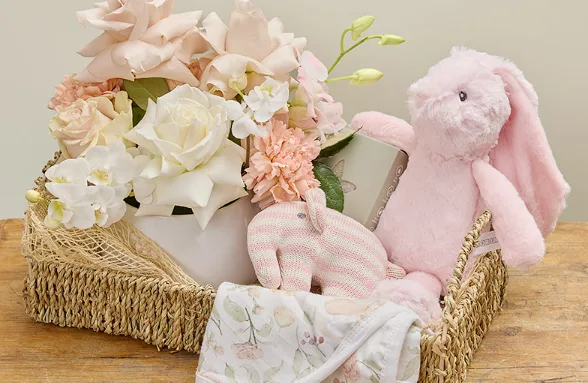
The gifts and flowers industry is evolving rapidly. We are seeing a shift toward "hybrid" gifting, where flowers are paired with other luxury items like artisanal chocolates, high-end candles, or personalized keepsakes. This combination approach elevates the gift from a simple floral gesture to a curated experience.
Furthermore, sustainability is becoming a major driver in consumer choices. While fresh flowers have a higher carbon footprint due to transportation and water usage, the preservation industry is innovating with energy-efficient processes. As a gift-giver, being mindful of where your flowers are sourced—whether local fresh blooms or responsibly preserved imports—adds another layer of thoughtfulness to your gesture.
Conclusion: The Verdict
There is no "better" option between fresh and preserved flowers; there is only the right choice for the right person. Fresh flowers remain the ultimate choice for those who value the transient beauty of nature and the emotional connection of a living gift. Conversely, preserved flowers are the sophisticated choice for those who value longevity, artistic permanence, and the convenience of a gift that requires no upkeep.
By evaluating the recipient's lifestyle, the significance of the occasion, and your budget, you can navigate the gifts and flowers category with confidence. Whether you choose the short-lived splendor of a fresh bouquet or the enduring elegance of a preserved arrangement, the act of gifting flowers remains one of the most powerful ways to communicate love, appreciation, and care.