The Ultimate Guide to Investing in Fine Jewelry and Luxury Watches: How to Choose Timeless Pieces
The world of jewelry and luxury watches is a fascinating blend of art, history, and personal expression. Whether you are looking to mark a milestone, diversify your investment portfolio, or simply curate a collection of pieces that reflect your style, navigating this market requires more than just a keen eye for aesthetics. From understanding the nuances of gemstone quality to deciphering the mechanics of horology, making an informed purchase is the key to long-term satisfaction and value retention.
This comprehensive guide provides the foundational knowledge you need to make confident decisions in the jewelry and watch industry, ensuring your acquisitions stand the test of time.
Understanding the Basics: Jewelry vs. Watches
While both categories fall under the umbrella of luxury accessories, they serve different purposes and require different evaluation criteria. Jewelry is primarily ornamental, focusing on craftsmanship, material rarity, and design. Watches, conversely, are functional instruments that marry complex engineering with aesthetic appeal.
The Pillars of Fine Jewelry
When shopping for jewelry, the "Four Cs" of diamonds are only the beginning. You must also consider the quality of precious metals, the setting technique, and the origin of colored gemstones. High-quality jewelry should be durable enough for its intended use—an engagement ring, for instance, requires a more robust setting than a pair of evening earrings.
The World of Horology
In the watch market, value is often determined by movement complexity, brand heritage, and scarcity. Whether you are choosing between a quartz movement (battery-powered) or a mechanical movement (manual or automatic), understanding the "heart" of the watch is essential for any collector.
A Strategic Approach to Jewelry Selection
Buying jewelry is an emotional experience, but it should be grounded in objective quality. Here is how to evaluate your next piece:
- Material Purity: Always check for hallmarks. For gold, look for 14k, 18k, or 24k stamps. For platinum, look for "PT950." These markings are your assurance of the metal's composition.
- Gemstone Certification: Never purchase high-value diamonds or colored stones without a certificate from a reputable laboratory like the GIA (Gemological Institute of America) or AGS (American Gem Society).
- Craftsmanship: Examine the piece under a jeweler's loupe. Look for symmetry, clean soldering points, and secure prongs. A well-made piece should feel substantial and smooth to the touch.
Buying Guide: Key Considerations for Luxury Watches
Investing in a luxury watch is a commitment to precision engineering. Before you purchase, ask yourself how the watch will fit into your lifestyle.
| Feature | Quartz Movement | Mechanical (Automatic/Manual) |
|---|---|---|
| Accuracy | Extremely high | Varies (requires regulation) |
| Maintenance | Low (battery change) | High (servicing every 3-5 years) |
| Craftsmanship | Mass-produced | Artisanal/Hand-finished |
| Investment Value | Generally lower | Generally higher |
Choosing the Right Style
Watches are generally categorized by their function. A "Dress Watch" is typically slim, understated, and meant to be worn with formal attire. A "Tool Watch" (such as a diver, pilot, or chronograph) is built for specific utility, featuring robust construction and often larger, more legible dials. Consider your daily environment before selecting a model.
2024-2025 Trends in Jewelry and Watches
While classic designs never go out of style, the industry is currently seeing a shift toward specific trends that balance modern sensibilities with heritage aesthetics.
The Rise of Sustainable Luxury
There is an increasing demand for "ethical jewelry." Consumers are now prioritizing recycled gold, lab-grown diamonds, and traceable gemstones. When shopping, look for retailers who can provide transparency regarding their supply chain.
Vintage and Neo-Vintage Watches
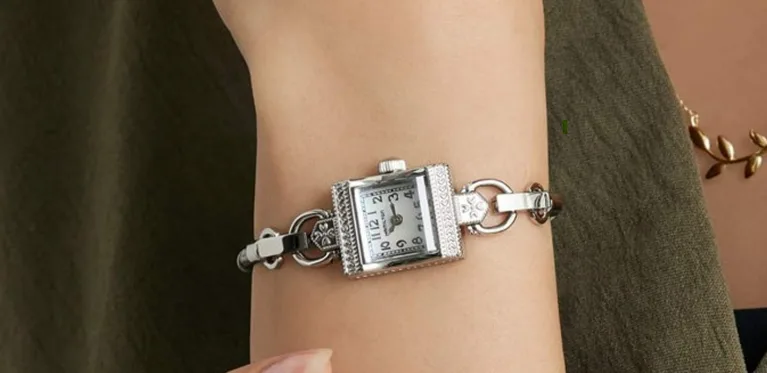
The secondary market for watches has exploded. Neo-vintage pieces—watches from the 1980s and 1990s—are particularly popular. These watches often feature smaller case sizes (36mm-39mm) which are currently favored for their elegance and comfort compared to the oversized trends of the early 2000s.
Mixed Metals and Layering
In jewelry, the "no-mix" rule is a thing of the past. Mixing yellow, white, and rose gold is now a standard styling practice. Layering necklaces of different lengths and textures is a great way to create a signature look that feels personal and curated.
Care and Maintenance: Protecting Your Investment
Luxury items are durable, but they are not invincible. Proper care is the secret to maintaining both the beauty and the resale value of your collection.
Jewelry Maintenance Tips
- The "Last On, First Off" Rule: Put your jewelry on after applying perfumes, lotions, and hairspray to prevent chemical buildup.
- Professional Cleaning: Take your pieces to a professional jeweler once a year for a deep clean and, more importantly, to check for loose stones or worn-out prongs.
- Storage: Store pieces individually in soft pouches or a lined jewelry box to prevent scratching, especially for softer stones like opals or pearls.
Watch Maintenance Tips
Mechanical watches are complex machines. Avoid exposing them to strong magnetic fields (like speakers or certain electronic devices), as this can interfere with the hairspring. If your watch is water-resistant, have the gaskets tested annually, especially if you plan to wear it near water. Never force a crown if it feels stiff; take it to a certified watchmaker immediately.
Evaluating Resale Value and Investment Potential
While you should primarily buy jewelry and watches because you love them, it is wise to understand their financial profile. Certain brands and styles hold value better than others due to their rarity and historical significance.
If you are buying with an investment mindset, focus on:
- Provenance: Does the item come with original boxes and papers? In the watch world, "full set" items command a significant premium.
- Condition: For watches, an "unpolished" case is highly desirable. For jewelry, stones with minimal inclusions and excellent cuts retain value best.
- Brand Heritage: Established houses with long histories of craftsmanship tend to be more stable investments than trend-based fashion brands.
Final Thoughts: Curating Your Personal Collection
The journey into jewelry and watches is deeply personal. Whether you are starting with a single high-quality timepiece or building a collection of heirloom-grade jewelry, remember that the most valuable piece is the one that brings you joy every time you wear it.
Do not be rushed by trends or aggressive sales tactics. Take the time to research, handle the pieces in person if possible, and ask questions about provenance and materials. By following these guidelines, you will not only avoid common pitfalls but also build a collection that serves as a beautiful reflection of your journey and personal style for decades to come.
Ultimately, the best jewelry and watch collection is one that is worn, enjoyed, and eventually passed down to the next generation. Treat your items with respect, maintain them with care, and enjoy the timeless elegance they bring to your life.