The Ultimate Guide to the Best Art & Crafts Supplies for Every Skill Level
Whether you are a seasoned professional artist or a hobbyist looking to explore your creative side, having the right tools is the foundation of every masterpiece. The world of arts and crafts is vast, ranging from traditional painting and sketching to modern DIY projects and textile arts. Navigating this landscape can be overwhelming, but selecting high-quality supplies is the best way to ensure your projects are both enjoyable and durable.
In this guide, we will explore the best art and crafts categories, the essential supplies you need to get started, and how to choose products that match your skill level and creative goals.
Understanding the Essentials: What Every Artist Needs
Before diving into specific niches, it is important to understand the universal "must-haves" for any creative workspace. Regardless of your chosen medium, certain supplies provide the versatility needed to experiment with different techniques.
- High-Quality Paper: The surface of your work dictates the longevity and texture of your art. Look for acid-free, archival-quality paper to prevent yellowing over time.
- Versatile Adhesives: From archival glue sticks for scrapbooking to industrial-strength epoxies for jewelry making, having the right bond is critical.
- Precision Cutting Tools: A sharp craft knife and a self-healing cutting mat are non-negotiable for clean, professional results in paper crafts and model building.
- Storage Solutions: Keeping your supplies organized not only protects your investment but also keeps your creative process flowing without unnecessary interruptions.
Top Categories in Arts & Crafts
To help you navigate the market, we have categorized the most popular arts and crafts areas. Choosing the right category depends on your personal interest and the space you have available.
1. Painting and Drawing
This is the most traditional category, encompassing watercolors, acrylics, oils, and sketching. For beginners, water-mixable oils or high-quality acrylics are often the best starting point due to their ease of cleanup and versatility.
2. Paper Crafts and Scrapbooking
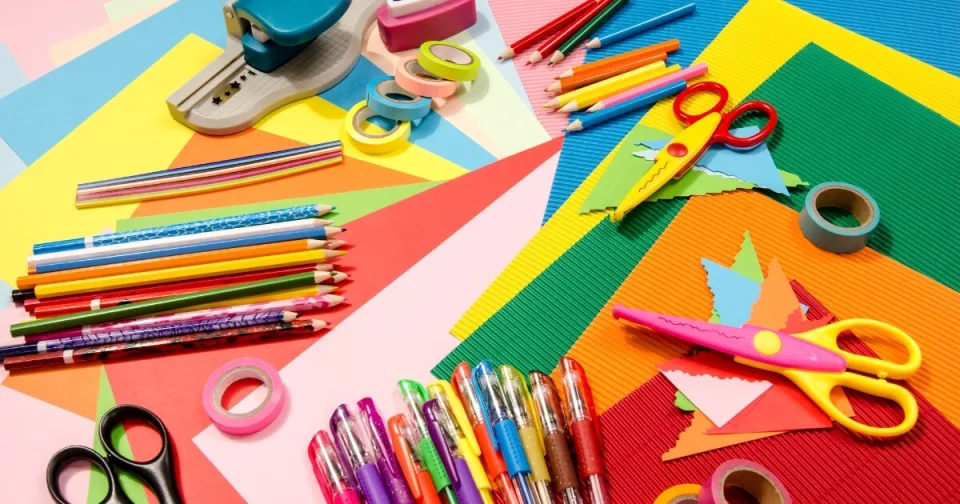
Paper crafts are incredibly accessible. With just a few punches, decorative papers, and quality adhesives, you can create greeting cards, journals, and complex paper sculptures. The trend here is moving toward sustainable, recycled, and textured specialty papers.
3. Textile and Fiber Arts
From embroidery and knitting to macramé and fabric dyeing, textile arts are experiencing a massive resurgence. Beginners should focus on natural fibers like cotton and wool, which are easier to handle and provide a superior finish.
4. Jewelry Making
Creating your own jewelry allows for extreme personalization. Key supplies include pliers, wire cutters, beads, and findings. Investing in high-quality metals—even for practice—makes a significant difference in the durability of the final piece.
Comparison of Essential Art Supplies by Skill Level
Not every project requires professional-grade equipment. Use this table to understand which tier of products you should invest in based on your current experience.
| Supply Type | Beginner (Student Grade) | Intermediate/Pro (Artist Grade) |
|---|---|---|
| Paints | High pigment student-grade sets; easy to blend. | Professional-grade, high lightfastness, rich pigment load. |
| Brushes | Synthetic blends; durable and easy to clean. | Natural hair or high-end synthetic; specific shapes for technique. |
| Paper | Standard sketchbooks; multipurpose weight. | Cotton-rag papers; specific cold/hot press textures. |
| Tools | Basic plastic handles; standard utility. | Ergonomic grips; precision-engineered materials. |
Current Trends in the Arts & Crafts World
The arts and crafts industry is constantly evolving. Staying ahead of trends can help you discover new techniques and materials that can elevate your work.
Sustainable and Eco-Friendly Materials
There is a significant shift toward environmentally conscious art. This includes using non-toxic paints, recycled paper, and ethically sourced fibers. Artists are increasingly looking for "green" certifications on the packaging of their materials to ensure they are minimizing their ecological footprint.
Mixed Media Integration
The lines between disciplines are blurring. Artists are now combining traditional painting with embroidery, digital printing with collage, and clay sculpting with wire work. This trend encourages the use of versatile supplies that can adhere to multiple surfaces, such as multi-surface primers and heavy-duty mediums.
Personalized DIY Kits
Curated kits are the best way for beginners to enter a new hobby without the stress of choosing individual items. These kits provide everything needed for a specific project, ensuring that the supplies are compatible with one another.
How to Choose the Best Products for Your Projects
When shopping for art and craft supplies, keep these three factors in mind to ensure you are getting the best value and quality for your money:
- Check for Lightfastness: If you intend to display your work, look for "lightfast" ratings. This indicates how well the pigment will resist fading when exposed to light.
- Evaluate Ergonomics: If you spend hours crafting, comfort is key. Look for brushes with balanced handles and cutting tools with rubberized, ergonomic grips to reduce hand fatigue.
- Compatibility: Always ensure your medium and surface are compatible. For example, using heavy-bodied acrylics on thin printer paper will result in warping. Always check the weight (GSM) of the paper against the medium you plan to use.
The Importance of Proper Maintenance
The best supplies are only as good as the care you provide them. Even the most expensive brushes will fail if not cleaned properly, and the finest paints will dry out if caps are not tightened. Develop a routine for your workspace:
- Brush Care: Never leave brushes sitting in water. Always clean them with mild soap and reshape the bristles before storing them flat or hanging them dry.
- Surface Protection: Use a fixative spray for charcoal or pastel drawings to prevent smudging and degradation over time.
- Tool Sharpening: Keep your craft blades sharp. A dull blade is actually more dangerous than a sharp one because it requires more pressure, leading to slips and inaccurate cuts.
Conclusion: Start Your Creative Journey
The best arts and crafts supplies are those that inspire you to create. While it is easy to get caught up in the technical specifications of pigments and paper weights, the ultimate goal is to enjoy the process of making something uniquely your own. Whether you are stocking your first studio or upgrading your current toolkit, prioritize quality where it matters most, keep your space organized, and don't be afraid to experiment with new mediums.
By investing in the right foundational tools, you set yourself up for long-term success, allowing your creativity to flourish without being hindered by subpar equipment. Happy crafting!