The Ultimate Guide to the Best Jewelry and Watches: Timeless Classics and Modern Trends
For centuries, jewelry and watches have served as more than mere accessories. They are symbols of milestone achievements, expressions of personal style, and often, valuable investments that can be passed down through generations. Whether you are looking to build a capsule jewelry collection from scratch, searching for the perfect heirloom timepiece, or wanting to understand the nuances of precious metals and movements, choosing the right pieces requires careful consideration.
The market for fine jewelry and horology is vast, ranging from minimalist everyday wear to highly intricate, avant-garde designs. Navigating this landscape involves understanding materials, craftsmanship, and the historical significance of various styles. This comprehensive guide explores the best jewelry and watches to invest in, the essential elements to look for when purchasing, and how to maintain your collection so it retains its beauty and value for decades to come.
Key Factors to Consider When Buying Fine Jewelry and Watches
Before diving into specific product categories, it is crucial to understand the foundational elements that determine the quality, durability, and value of jewelry and watches. Making an informed purchase ensures that your investment stands the test of time both structurally and aesthetically.
1. Material Quality and Purity
The metal you choose forms the backbone of any jewelry piece or timepiece. Understanding metal purities and characteristics is essential:
- Gold: Pure gold (24K) is too soft for daily wear. Therefore, jewelry is typically crafted in 18K (75% pure gold), 14K (58.3% pure gold), or 10K (41.7% pure gold). Yellow gold offers a classic warm tone, white gold provides a sleek modern look (often plated with rhodium for extra shine), and rose gold delivers a romantic, vintage aesthetic.
- Platinum: Known for its density, durability, and hypoallergenic properties. Platinum does not wear away over time; instead, it develops a satin-like finish called a patina, which many collectors highly prize.
- Sterling Silver: An affordable and beautiful precious metal (92.5% pure silver). While prone to tarnishing, sterling silver can be easily cleaned and is excellent for statement fashion jewelry.
- Stainless Steel and Titanium: Primarily used in watchmaking. High-grade stainless steel (such as 316L) offers exceptional corrosion resistance, while titanium provides a lightweight, incredibly strong, and hypoallergenic alternative.
2. Gemstone Authenticity and the Four Cs
When selecting jewelry featuring diamonds or colored gemstones, quality assessment is paramount. For diamonds, always evaluate the globally recognized "Four Cs":
- Cut: The most critical factor influencing a diamond’s brilliance and sparkle. A well-cut diamond reflects light beautifully, hiding minor imperfections.
- Clarity: Measures the presence of internal inclusions or surface blemishes. Ranging from Flawless (FL) to Included (I), clarity affects both beauty and price.
- Color: Evaluated on a scale from D (completely colorless) to Z (light yellow or brown). Colorless diamonds are the rarest and most sought-after.
- Carat Weight: The physical weight of the stone. While larger stones are rarer, a high carat weight without excellent cut and clarity will lack brilliance.
For colored gemstones like sapphires, rubies, and emeralds, color intensity (hue, tone, and saturation) is the primary driver of value, followed closely by clarity and origin.
3. Watch Movements: The Heart of the Timepiece
A watch is defined by its movement, which serves as its engine. There are three primary types of watch movements to consider:
- Quartz: Powered by a battery and a quartz crystal. Quartz watches are incredibly accurate, low-maintenance, and generally more affordable. They are characterized by a ticking second hand.
- Automatic (Self-Winding): Powered by the natural motion of the wearer’s wrist, which winds a mainspring. These mechanical movements are highly respected for their craftsmanship and feature a smooth, sweeping second hand.
- Manual (Hand-Wound): A traditional mechanical movement that requires the wearer to wind the crown manually at regular intervals. Favored by purists who appreciate the tactile connection to mechanical horology.
Best Jewelry Pieces Every Wardrobe Needs
A curated jewelry collection should balance versatility, elegance, and durability. By investing in classic, high-quality foundational pieces, you can effortlessly transition your look from casual daytime wear to formal evening events. Here are the best jewelry pieces that form the cornerstone of any sophisticated collection.
1. The Classic Diamond Stud Earrings
Few items are as universally flattering and versatile as diamond stud earrings. Sitting elegantly on the earlobe, they catch the light with every turn of the head. When choosing studs, opt for a secure setting such as a four-prong or bezel setting. White gold or platinum settings enhance the colorless brilliance of the diamonds, while yellow gold adds warmth. For those seeking a unique twist, halo settings—where a center stone is ringed by smaller diamonds—offer a larger look at a more accessible price point.
2. The Elegant Tennis Bracelet
Characterized by a symmetrical, continuous line of diamonds or gemstones, the tennis bracelet is a masterpiece of flexible design. Originally known as a line bracelet, it earned its modern name during the 1987 U.S. Open when tennis star Chris Evert paused a match to search for her dropped diamond bracelet. Today, it represents the pinnacle of sporty elegance. A classic diamond tennis bracelet in 14K white gold or platinum pairs beautifully with a luxury watch or can be stacked with minimalist bangles.
3. The Minimalist Pendant Necklace
A delicate chain featuring a single, striking pendant is an essential layering piece. Popular options include a solitary bezel-set diamond, a lustrous freshwater pearl, or a geometric gold medallion. The beauty of a pendant necklace lies in its ability to draw attention to the collarbone while remaining subtle enough for daily wear. Adjustable chains (typically 16 to 18 inches) allow you to customize the length depending on your neckline.
4. The Statement Cocktail Ring
While wedding bands and simple stacking rings offer daily simplicity, a cocktail ring is designed to make an impact. Originating during the American Prohibition era as a symbol of independence and rebellion, these rings feature large, dramatic center stones—often colorful gems like amethyst, aquamarine, citrine, or tourmaline—surrounded by intricate metalwork or diamond accents. A well-chosen cocktail ring serves as an instant conversation starter at social gatherings.
---Best Watches: Finding Your Perfect Timepiece
A watch is more than a tool for telling time; it is an expression of engineering, history, and personal identity. The best watches balance technical mastery with aesthetic appeal. Depending on your lifestyle and preferences, your collection may benefit from one or more of the following classic watch styles.
1. Dress Watches: Sophistication in Simplicity
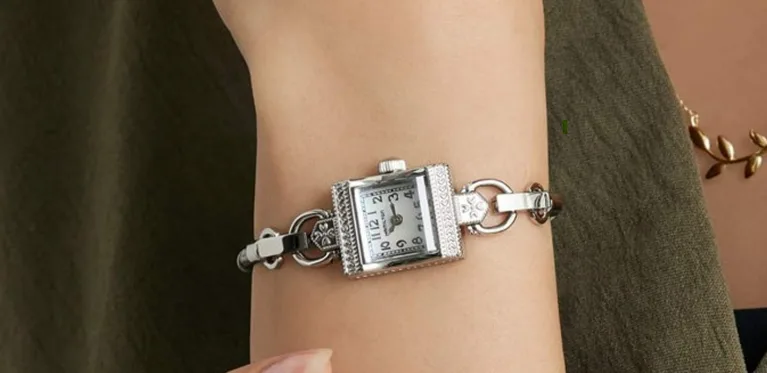
The primary purpose of a dress watch is to complement formal attire, such as a business suit or a tuxedo. These timepieces are characterized by their ultra-thin profiles, allowing them to slip effortlessly under a shirt cuff. They typically feature clean, uncluttered dials with simple hour markers, precious metal cases (gold or platinum), and high-quality leather straps. A classic dress watch avoids flashy complications, focusing instead on pure, minimalist elegance.
2. Sports and Dive Watches: Durability Meets Style
Engineered to withstand extreme conditions, sports and dive watches are among the most popular timepieces in the world. A true dive watch must meet strict standards, including a water resistance rating of at least 200 meters, a unidirectional rotating bezel (used by divers to track elapsed time underwater), and highly luminous hands and markers for readability in dark depths. Often crafted from rugged stainless steel or titanium with integrated metal bracelets, these watches offer a robust, masculine aesthetic that pairs exceptionally well with casual and smart-casual wear.
3. Chronographs: Precision and Functionality
A chronograph is essentially a watch with a built-in stopwatch function. Characterized by two or three sub-dials (registers) and pushers on the side of the case, chronographs were historically used for aviation, auto racing, and military maneuvers. Many chronographs feature a tachymeter scale on the outer bezel, which allows the wearer to calculate speed based on travel time. This style appeals to those who appreciate mechanical complexity, sporty heritage, and highly detailed dial designs.
4. Everyday Casual Watches: Versatility at Its Best
For daily wear, you need a watch that bridges the gap between formal and sporty. Often referred to as "field watches" or "everyday steel watches," these timepieces feature durable construction, moderate water resistance (around 50 to 100 meters), and highly legible dials. They look equally at home with a t-shirt and jeans as they do with a blazer. Opting for a watch with interchangeable straps—allowing you to swap between a steel bracelet, a leather strap, and a nylon NATO strap—gives you multiple looks within a single timepiece.
---Jewelry & Watch Materials Comparison
To help you choose the right material for your next purchase, the table below compares the most common metals used in high-quality jewelry and watchmaking, evaluating their durability, maintenance needs, and ideal use cases.
| Material | Durability | Care & Maintenance Level | Hypoallergenic | Best Suited For |
|---|---|---|---|---|
| 18K Yellow Gold | Moderate (prone to minor scratching) | Low (occasional polishing) | Yes (mostly) | Classic fine jewelry, heirloom rings, dress watches |
| Platinum | High (very dense, scratches form patina) | Low (polishing restores high shine if desired) | Yes (highly recommended for sensitive skin) | Engagement rings, luxury watch cases, daily-wear bands |
| Sterling Silver | Moderate to Low (soft metal) | High (requires regular polishing to prevent tarnish) | Variable (depends on alloy metals like nickel) | Fashion jewelry, statement necklaces, bohemian styles |
| 316L Stainless Steel | Very High (highly scratch and corrosion-resistant) | Very Low (simple soap and water cleaning) | Yes (generally safe) | Sports/dive watches, daily-wear bracelets, modern bands |
| Titanium | Excellent (stronger and lighter than steel) | Very Low (resistant to salt water and chemicals) | Yes (100% hypoallergenic) | Aviation watches, lightweight sports watches, modern jewelry |
Current Trends in the Jewelry and Watch Industry
While classic designs never go out of style, the jewelry and watch industries constantly evolve, influenced by cultural shifts, technological advancements, and changing consumer values. Understanding these trends can help you make purchases that feel both contemporary and enduring.
1. Sustainable and Ethically Sourced Materials
Modern consumers increasingly demand transparency in the supply chain. This has led to a significant rise in the popularity of ethically sourced gemstones and recycled precious metals. Lab-grown diamonds, which share the exact physical, chemical, and optical properties of mined diamonds but carry a smaller environmental footprint, have become a mainstream choice for engagement rings and fine jewelry. Similarly, watchmakers are incorporating recycled ocean plastics into straps and utilizing ethically mined gold for their luxury cases.
2. The Vintage Revival and Retro Aesthetics
Nostalgia continues to play a massive role in design. In the watch world, this is evident in the resurgence of smaller case diameters (shifting away from the oversized watch trend of the early 2010s) and the popularity of "fauxtina"—luminous material on dials designed to mimic the warm, aged look of vintage timepieces. In jewelry, yellow gold has made a massive comeback, alongside Victorian-era-inspired lockets, chunky chain links, and signet rings bearing personalized engravings.
3. Gender-Neutral Designs
The boundaries between men's and women's jewelry and watches are blurring. Many brands are launching gender-neutral collections that focus on clean lines, geometric shapes, and versatile sizing. Women are increasingly embracing larger, historically masculine sports watches, while men are incorporating pearl necklaces, diamond tennis bracelets, and delicate brooches into their wardrobes. This shift emphasizes personal expression over traditional gender norms.
4. Integrated Bracelet Watches
Originally popularized in the 1970s, the integrated bracelet watch style has experienced a massive renaissance. In these designs, the watch case and the metal bracelet flow seamlessly into one another without traditional lugs. This construction creates a highly cohesive, sculptural look that feels incredibly comfortable on the wrist and exudes a sophisticated, sporty-chic vibe.
---How to Maintain and Care for Your Collection
Even the highest quality jewelry and watches require regular care to preserve their brilliance, functionality, and long-term value. Implementing a consistent maintenance routine prevents damage and ensures your pieces remain in pristine condition.
Caring for Fine Jewelry
- Keep it Clean: Over time, lotions, skin oils, and dust build up behind gemstones, dulling their sparkle. For most gold and platinum jewelry with hard gemstones (like diamonds, sapphires, and rubies), you can clean them at home. Soak the pieces in warm water mixed with a few drops of mild dish soap, then gently scrub with a soft-bristled toothbrush. Rinse thoroughly and dry with a lint-free cloth.
- Avoid Harsh Chemicals: Remove jewelry before swimming in chlorinated pools, using household cleaning agents, or applying perfumes and hairsprays. Chemicals can discolor metals and damage delicate organic gemstones like pearls, opals, and turquoise.
- Store Safely: Store your jewelry pieces individually in soft cloth pouches or lined compartments within a jewelry box. This prevents harder gemstones (like diamonds) from scratching softer metals or other stones.
Caring for Fine Watches
- Understand Water Resistance: Never assume a watch is completely waterproof. Water resistance ratings can degrade over time as rubber gaskets age. Have your watch’s water resistance tested annually if you plan to swim with it, and always ensure the crown is fully screwed down or pushed in before entering the water.
- Service Mechanical Movements: Just like a car engine, a mechanical watch requires regular lubrication and adjustment. It is recommended to have automatic and manual-wind watches professionally serviced every 5 to 7 years to maintain accuracy and prevent wear on internal gears.
- Beware of Magnetic Fields: Magnetic fields from smartphones, laptops, speakers, and magnetic clasps can magnetize the hairspring inside a mechanical watch, causing it to run extremely fast or slow. If your watch suddenly loses or gains significant time, a jeweler can easily demagnetize it for you.
Conclusion
Investing in the best jewelry and watches is an art that balances personal taste with an appreciation for craftsmanship, materials, and history. Whether you are drawn to the brilliant sparkle of a classic diamond tennis bracelet, the rugged utility of a stainless steel dive watch, or the sleek minimalism of a gold pendant, the right pieces serve as enduring reflections of your journey. By understanding the fundamentals of metal purity, gemstone quality, and mechanical movements, and by committing to proper care, you can build a collection that brings joy today and remains a cherished legacy for future generations.