The Ultimate Shoe Buying Guide: How to Choose the Perfect Pair for Every Occasion
Footwear is the foundation of everyday comfort, physical health, and personal style. On average, a person walks thousands of steps each day, placing immense force on their feet, ankles, and joints. Wearing the wrong pair of shoes can lead to discomfort, blisters, and long-term orthopedic issues such as plantar fasciitis, bunions, or lower back pain. Conversely, investing in the right footwear enhances mobility, boosts athletic performance, and elevates your overall wardrobe.
Navigating the modern shoe market can feel overwhelming due to the sheer variety of categories, materials, sizing standards, and specialized features available. Whether you are searching for high-performance running sneakers, professional dress shoes, rugged outdoor boots, or versatile casual footwear, this comprehensive guide provides the knowledge required to make confident, informed purchasing decisions.
1. Understanding Foot Anatomy and Sizing
Before exploring specific shoe styles, it is critical to understand the unique structure of your feet. Sizing involves far more than just length; width, arch structure, and foot volume play equally important roles in determining proper fit.
Accurate Size Measurement
Foot size changes over time due to factors such as aging, weight fluctuations, pregnancy, and physical activity. To ensure an accurate fit, measure your feet periodically using the following guidelines:
- Measure in the late afternoon or evening: Feet naturally expand throughout the day due to swelling and gravity. Measuring later ensures your shoes will not feel overly tight during extended wear.
- Measure both feet: It is common for one foot to be slightly larger than the other. Always select a shoe size that accommodates your larger foot.
- Check length and width: Use a Brannock device at a shoe retailer or trace your feet on paper at home to measure the length from heel to longest toe, as well as the width across the ball of your foot.
Arch Types and Gait Mechanics
Your foot arch impacts how weight is distributed across your feet during movement. Identifying your arch type helps determine the level of support and cushioning required in a shoe:
- Neutral Arches: A balanced arch supports body weight efficiently. Individuals with neutral arches generally thrive in standard supportive footwear with moderate stability.
- Low Arches or Flat Feet (Overpronation): Flat feet tend to roll inward excessively during movement. Look for motion-control or stability shoes featuring structured arch supports and firm midsoles to align the ankles and knees.
- High Arches (Underpronation/Supination): High arches absorb less shock naturally, transferring impact to the outer edge of the foot. Neutral-cushioned shoes with flexible midsoles help absorb shock and distribute pressure evenly.
2. Key Categories of Footwear
Selecting the appropriate shoe category ensures that your footwear matches the intended environment, activity level, and aesthetic requirements.
Athletic and Sports Shoes
Athletic shoes are engineered with specialized technologies designed for specific movements and surfaces. Choosing the right sports footwear prevents injuries and enhances athletic performance.
- Running Shoes: Designed for forward motion, running shoes prioritize heel-to-toe transition, lightweight construction, and targeted shock absorption. Road running shoes offer smooth outsoles for pavement, while trail running shoes feature deep lugs for off-road traction.
- Cross-Training Shoes: Built for multi-directional movement, training shoes feature lower profile soles and enhanced lateral stability, making them ideal for weightlifting, gym workouts, and high-intensity interval training (HIIT).
- Walking Shoes: Walking shoes offer a flexible sole that allows the foot to roll naturally, combined with ample heel cushioning to absorb continuous impact on hard surfaces.
Casual and Everyday Footwear
Casual footwear balances comfort, versatility, and personal style for daily activities, light walking, and social settings.
- Lifestyle Sneakers: Inspired by classic athletic designs, casual sneakers prioritize everyday comfort through cushioned insoles, breathable uppers, and versatile silhouettes that pair easily with casual attire.
- Slip-On Shoes and Loafers: Offering quick convenience, slip-ons eliminate laces while maintaining a neat, tailored appearance. They are ideal for travel, casual work environments, and warm-weather wear.
- Sandals and Slides: Open-toed footwear provides maximum breathability for hot climates. High-quality casual sandals should feature contoured footbeds and adequate arch support to prevent foot fatigue.
Formal and Dress Shoes
Formal footwear requires precision craftsmanship, premium materials, and classic aesthetic proportions. Proper dress shoes complete professional and formal attire.
- Oxfords: Characterized by a closed lacing system, Oxfords represent the standard for formal business and black-tie events.
- Derbies: Featuring an open lacing system, Derbies offer a slightly more relaxed look and a roomier fit, ideal for individuals with higher insteps.
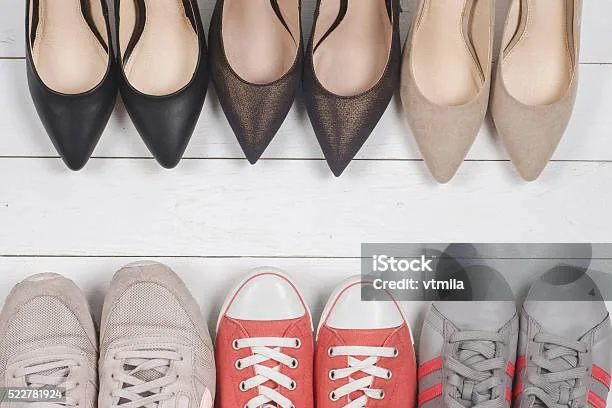
- Dress Pumps and Flats: Women’s formal footwear ranges from classic leather pumps with sturdy heels to refined ballet flats, emphasizing sleek lines and supportive insoles.
Outdoor and Functional Boots
Work and outdoor footwear prioritize protection, durability, weather resistance, and heavy-duty traction.
- Hiking Boots and Shoes: Featuring stiff shanks, high-ankle support, and lugged rubber outsoles, hiking footwear provides stability on uneven terrain and protection against environmental hazards.
- Work Boots: Built with reinforced toe caps (steel or composite), puncture-resistant soles, and electrical hazard protection, work boots are engineered for industrial and physical labor environments.
3. Shoe Anatomy and Material Selection
Understanding shoe construction enables you to evaluate the quality, breathability, and durability of a pair before purchasing.
Core Structural Components
A shoe consists of three primary structural parts:
- The Upper: The top portion of the shoe that secures the foot. It dictates breathability, flexibility, and overall aesthetic.
- The Midsole: Located between the upper and the outsole, the midsole provides shock absorption, responsiveness, and structural support. Common materials include EVA (Ethylene Vinyl Acetate) foam and Polyurethane (PU).
- The Outsole: The bottom layer that contacts the ground. Outsoles provide traction, flexibility, and resistance against abrasion.
Comparing Common Footwear Materials
The choice of material affects how a shoe breathes, breaks in, resists weather, and wears over time. Use the table below to compare the properties of primary footwear materials:
| Material Type | Durability | Breathability | Water Resistance | Primary Benefit & Ideal Use |
|---|---|---|---|---|
| Full-Grain Leather | High | Moderate | Moderate (when treated) | Conforms to foot shape; highly durable for dress shoes and work boots. |
| Suede / Nubuck | Moderate | Moderate | Low (requires sealing) | Soft texture and stylish appearance; excellent for casual boots and dress shoes. |
| Engineered Mesh | Moderate | Very High | Low (unless waterproofed) | Lightweight, flexible, and exceptionally breathable; ideal for running and sports shoes. |
| Canvas | Moderate | High | Low | Lightweight, washable, and affordable; perfect for summer lifestyle sneakers. |
| Synthetic Leather | Moderate | Low to Moderate | High | Easy to clean, budget-friendly, and often water-repellent; useful for entry-level sports gear. |
4. Step-by-Step Guide to Fitting and Testing Shoes
Never rely solely on the size label when purchasing shoes, as dimensions vary significantly between manufacturers, production batches, and regions. Follow this practical testing procedure to guarantee a correct fit:
- Wear Appropriate Socks: Bring or wear the specific type of socks you plan to use with the shoes (e.g., thick wool socks for hiking boots, thin dress socks for Oxfords).
- Check the Toe Box (The Rule of Thumb): Stand fully upright to ensure your weight settles. There should be approximately a thumb's width (1/2 inch) of space between your longest toe and the end of the shoe.
- Assess Width and Lateral Pressure: The ball of your foot should sit comfortably at the widest part of the shoe. If the upper stretches or bulges dramatically over the sole, the shoe is too narrow.
- Evaluate Heel Retention: Walk around on a firm surface. Your heel should remain securely locked in place with minimal slipping (no more than a quarter-inch of vertical movement in firm boots). Excessive slipping causes friction and painful blisters.
- Test Flexibility and Arch Support: Ensure the shoe bends at the ball of your foot, not under the arch. The built-in arch support should sit comfortably under your natural arch without pressing sharply into the sole of your foot.
5. Current Trends in the Footwear Industry
The shoe industry continues to evolve through advancements in manufacturing, changing fashion preferences, and sustainable practices. Key current trends include:
Sustainable and Recycled Footwear
Modern consumers increasingly demand environmentally responsible products. Footwear manufacturers are responding by incorporating recycled ocean plastics, organic cotton uppers, sugarcane-based EVA foams, and algae-derived midsoles into mainstream product lines. Sustainable shoes offer high durability while reducing environmental footprints.
Hybrid and Versatile Designs
As remote work and casual dress codes expand globally, footwear designed to blur the line between formal and casual has surged in popularity. Hybrid shoes—such as dress uppers set atop athletic sneaker midsoles, or sleek outdoor boots built for urban commuting—allow individuals to transition seamlessly across different environments throughout the day.
Maximalist Cushioning and Ergonomic Soles
In athletic and lifestyle footwear, there has been a noticeable shift toward thick, maximalist midsoles. Engineered with advanced lightweight foams, these designs provide maximum shock absorption, reducing joint strain during long walks or extended periods of standing on hard surfaces.
6. Shoe Care and Maintenance: Maximizing Longevity
Proper maintenance protects your footwear investment, keeps your shoes looking clean, and preserves structural integrity for years of reliable use.
- Rotate Your Footwear: Avoid wearing the same pair of shoes two days in a row. Rotating shoes gives the materials at least 24 hours to air out, disperse trapped moisture, and allow the midsole foam to fully decompress.
- Use Shoe Trees for Leather: Insert cedar shoe trees into leather dress shoes and boots immediately after removal. Cedar absorbs internal moisture, controls odor, and holds the original shape of the upper to prevent deep creasing.
- Clean Shoes Correctly based on Material:
- Leather: Clean with a damp cloth, apply a dedicated leather conditioner regularly to prevent drying or cracking, and polish as needed.
- Suede: Use a specialized suede brush and eraser to lift surface dirt and restore the fabric nap. Never submerge suede in water.
- Fabric Mesh and Canvas: Spot clean using mild soap, warm water, and a soft brush. Air dry at room temperature away from direct heat sources.
- Protect Against the Elements: Apply a water and stain repellent spray to new shoes, particularly suede, canvas, and untreated leather, before wearing them outdoors in wet or dusty conditions.
Conclusion: Step Forward in Comfort and Style
Finding the right pair of shoes requires balancing functional support, proper fit, quality materials, and personal aesthetic preferences. By understanding your unique foot profile, selecting the correct shoe category, and verifying proper length and width during fitting, you protect your long-term joint health while enjoying maximum daily comfort.
Take the time to evaluate materials, inspect construction details, and maintain your footwear properly once purchased. Investing thought into your shoe choices ensures every step you take is supported, comfortable, and effortlessly stylish.