Educational Toys vs. Entertainment Toys: Choosing the Best Playtime Experience for Your Child
The toy industry has evolved significantly over the past few decades. As parents and caregivers, we are constantly bombarded with advertisements for the "next big thing." However, when it comes to selecting toys for children, the debate often centers on a fundamental question: Should we prioritize educational toys, or is there still a place for pure, unadulterated entertainment toys? Understanding the nuances between these two categories is essential for fostering a balanced developmental environment for children.
Defining the Categories: Educational vs. Entertainment
Before diving into a comparison, it is important to establish what we mean by these categories. While the lines are increasingly blurred, the core focus of each differs significantly.
What Are Educational Toys?
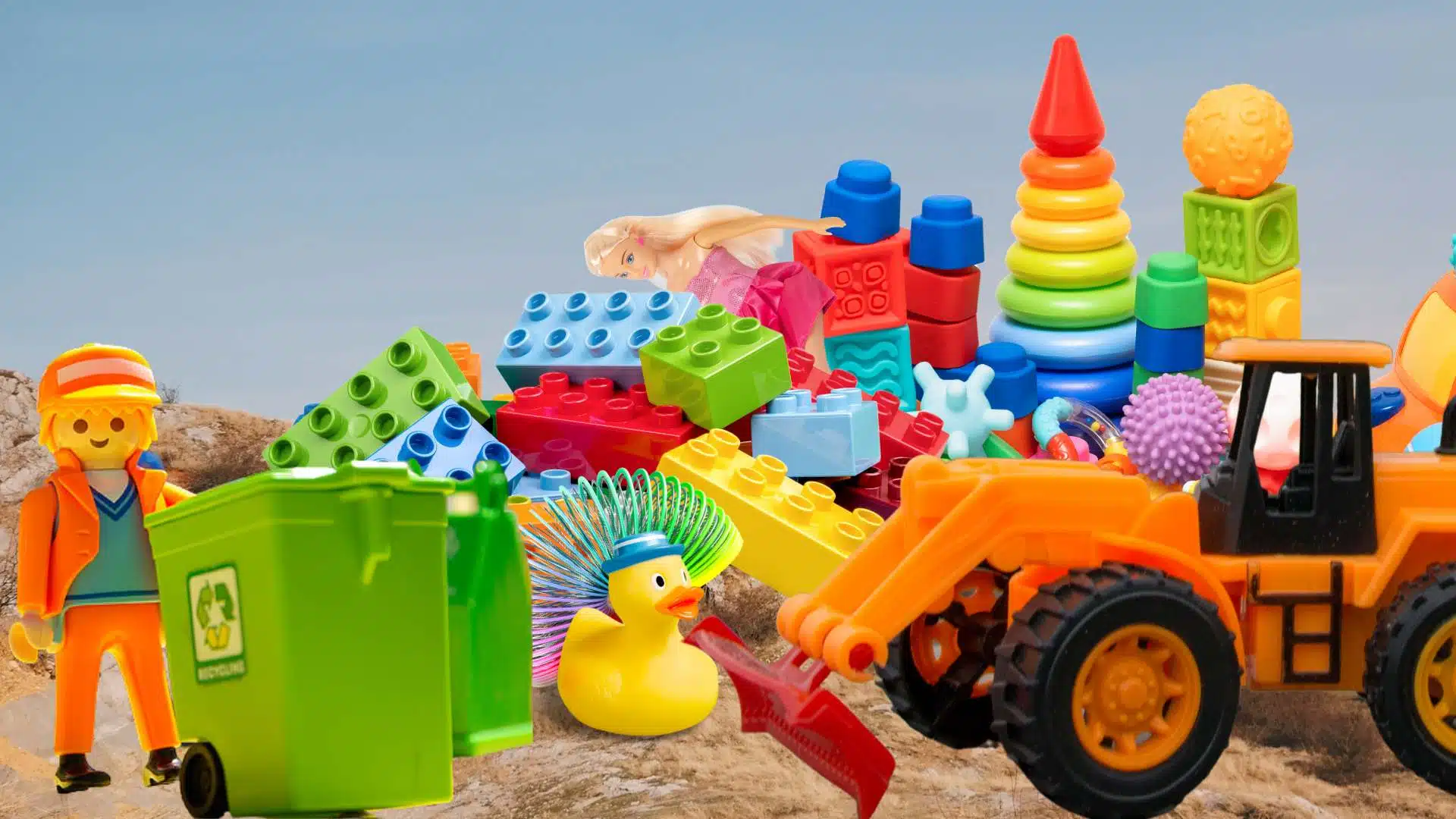
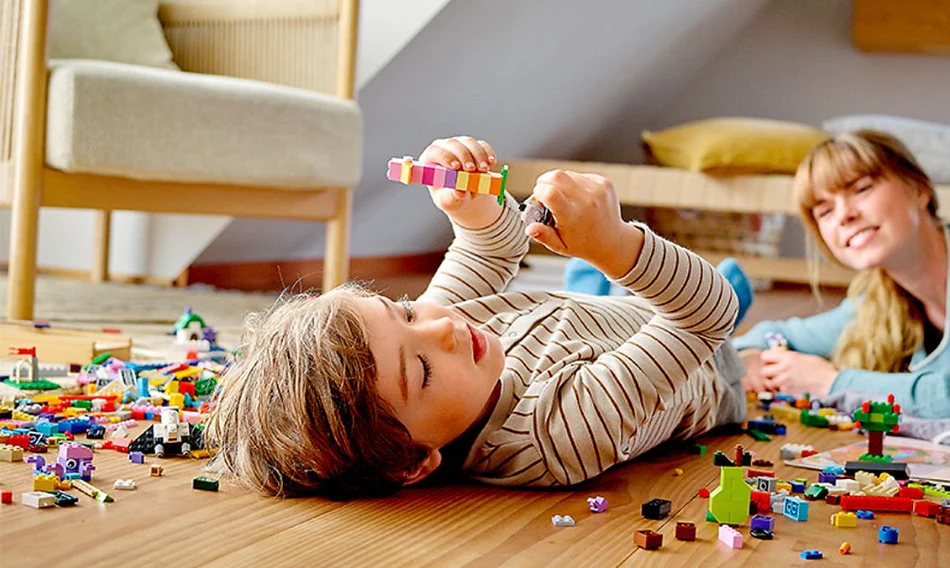
Educational toys, often referred to as STEM or Montessori-style toys, are designed specifically to stimulate cognitive development, problem-solving skills, and fine motor abilities. They often focus on teaching concepts like physics, mathematics, language, or logic through hands-on play. Examples include building blocks, puzzle sets, chemistry kits, and coding robots.
What Are Entertainment Toys?
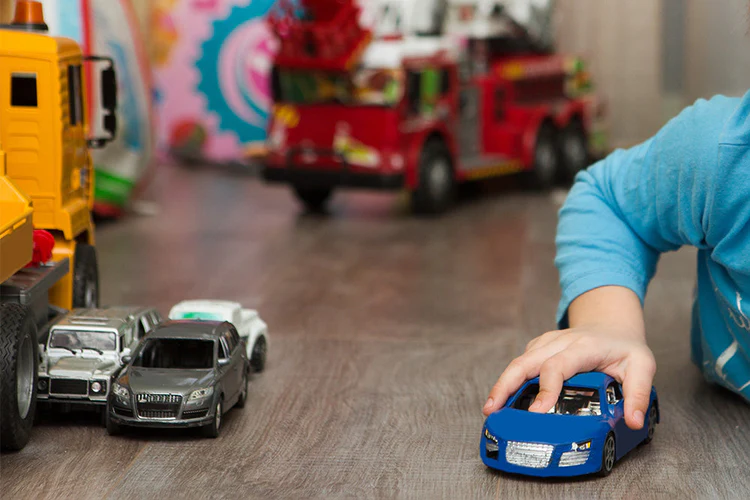
Entertainment toys, or "fun-focused" toys, prioritize engagement, imagination, and enjoyment above structured learning goals. While they may still offer developmental benefits, their primary purpose is to provide leisure and emotional satisfaction. Examples include action figures, dolls, plush toys, and video games. These toys often act as vessels for role-play and creative storytelling.
Comparison Table: Educational vs. Entertainment Toys
| Feature | Educational Toys | Entertainment Toys |
|---|---|---|
| Primary Goal | Skill acquisition & learning | Fun, relaxation & engagement |
| Engagement Type | Active, task-oriented | Imaginative, open-ended |
| Developmental Focus | Cognitive, logic, motor skills | Emotional, social, creativity |
| Play Duration | Often finite (solve the puzzle) | Often infinite (role-play scenarios) |
| Parental Involvement | Usually high (guided play) | Usually low (independent play) |
The Developmental Benefits of Educational Toys
Educational toys serve as essential tools for early childhood development. By challenging the brain, these toys help children build a foundation for academic success. Here are the key advantages of integrating these into a toy collection:
- Enhanced Problem-Solving: Toys like mechanical building sets or complex puzzles force children to think critically. They learn to identify patterns, troubleshoot errors, and persist until they reach a solution.
- Development of Fine Motor Skills: Many educational toys require precision. Manipulating small pieces, drawing, or using tools helps strengthen the muscles in the hands and fingers, which is vital for later tasks like writing.
- Introduction to STEM Concepts: By playing with magnets, gears, or basic circuitry, children gain a tactile understanding of scientific principles long before they encounter them in a formal classroom setting.
The Vital Role of Entertainment Toys in Emotional Growth
While the focus on education is noble, it is a mistake to dismiss entertainment toys as "useless." These toys play a critical role in the emotional and social development of a child. Their value lies in their ability to foster creativity and provide a safe space for emotional processing.
Fostering Imaginative Play
When a child plays with a doll or an action figure, they are not just moving plastic; they are narrating a story. This form of play is essential for developing empathy and social intelligence. Children practice social interactions, conflict resolution, and emotional regulation by projecting their feelings onto their toys.
Stress Relief and Mental Health
Just like adults, children need downtime. Entertainment toys provide a much-needed break from the structured, goal-oriented activities of school and extracurriculars. Allowing a child to engage in "mindless" fun is crucial for preventing burnout and fostering a positive relationship with leisure time.
How to Balance Your Child’s Toy Box
The secret to a well-rounded childhood is not choosing one over the other, but finding the right equilibrium. A balanced toy box allows a child to switch between modes of thinking, ensuring they are both challenged and relaxed.
1. Follow the Child’s Lead
Observe what your child gravitates toward. If they love building, lean into educational sets that challenge their structural thinking. If they love storytelling, provide them with entertainment toys that encourage elaborate role-play. The best toy is the one the child actually wants to play with.
2. The "30-Minute Rule"
A great strategy for busy households is the 30-minute rule. Encourage at least 30 minutes of "active play" (educational/structured) followed by "free play" (entertainment/creative). This ensures that cognitive development is nurtured without sacrificing the joy of unstructured imagination.
3. Look for the "Hybrid" Toys
The market is shifting toward hybrid toys that combine the best of both worlds. For example, some building sets allow children to construct a complex structure (educational) that then serves as a setting for an imaginative adventure with figures (entertainment). These are often the most durable and long-lasting investments for your home.
Trends Shaping the Future of Toys
The landscape of play is changing rapidly. As we look forward, several trends are influencing how both educational and entertainment toys are being designed and marketed.
The Rise of "Edutainment"
Manufacturers are increasingly focusing on "edutainment"—toys that are inherently fun but carry a hidden educational curriculum. This is seen in interactive board games that teach history or geography, or digital toys that incorporate coding lessons into gaming experiences.
Sustainability and Minimalism
Modern parents are moving away from the "clutter" of hundreds of plastic toys. There is a growing trend toward high-quality, sustainable wooden toys that are open-ended. A simple set of wooden blocks can be an educational tool for architecture one day and a set of "forts" for a fantasy game the next. This minimalist approach encourages children to be more creative with fewer resources.
Conclusion: Choosing Quality Over Quantity
Ultimately, the comparison between educational and entertainment toys is not a binary choice. Both play distinct, non-negotiable roles in childhood development. Educational toys build the architecture of the mind, while entertainment toys nourish the spirit and the imagination.
When shopping for new additions to your child's toy box, prioritize quality over quantity. Instead of buying multiple cheap, single-use items, invest in toys that are versatile, durable, and capable of growing with your child. Whether it is a challenging logic puzzle or a simple plush companion, the best toy is the one that sparks curiosity, encourages play, and brings a sense of wonder to your child's daily life.
By curating a mix of both categories, you provide your child with a well-rounded environment that prepares them for the challenges of the future while honoring the precious, fleeting nature of their childhood.