Educational Toys vs. Entertainment Toys: Choosing the Best Playtime Experience for Your Child
The toy industry has evolved significantly over the past few decades. As parents and caregivers, we are constantly bombarded with advertisements for the "next big thing" in play. However, when selecting items for children, the debate often centers on a fundamental question: Should we prioritize educational toys that stimulate cognitive development, or entertainment-focused toys that offer pure, imaginative fun? Understanding the nuances between these two categories is essential for fostering a balanced and healthy developmental environment for children of all ages.
In this comprehensive guide, we will break down the differences, benefits, and considerations for both educational and entertainment toys to help you make informed decisions for your child’s growth and happiness.
Defining the Categories: What Sets Them Apart?
Before diving into the comparison, it is important to clarify what we mean by these two categories. While the lines are often blurred, the primary distinction lies in the intended outcome of the play session.
What Are Educational Toys?
Educational toys, often referred to as "STEM" or "developmental" toys, are specifically designed to teach a particular skill or concept. These toys encourage problem-solving, critical thinking, motor skill development, and academic learning (such as literacy, numeracy, or scientific principles). They often provide a "challenge" that the child must overcome to succeed in the play activity.
What Are Entertainment Toys?
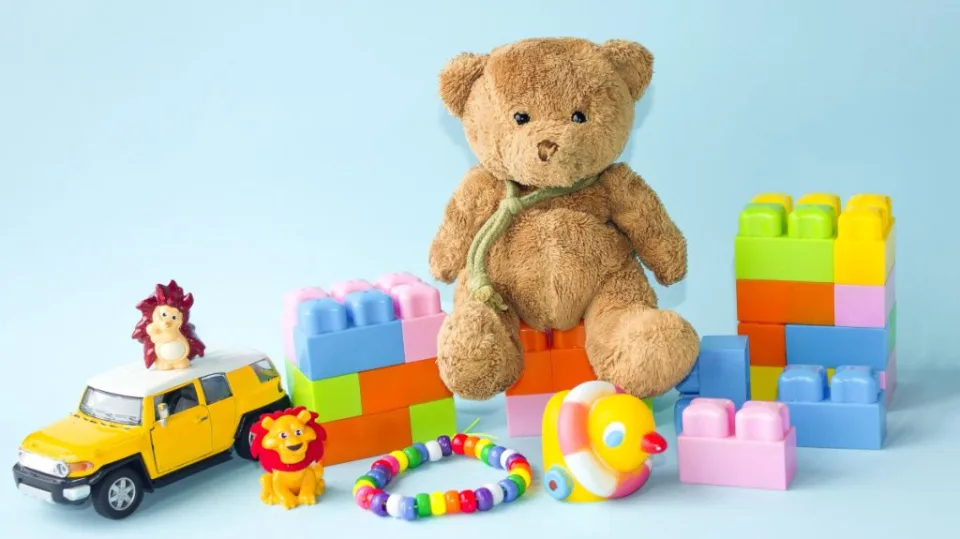
Entertainment toys—often categorized as "fun" or "leisure" toys—prioritize enjoyment, relaxation, and creative expression. These include action figures, dolls, plush toys, and video games. While they do facilitate social and emotional development through role-play, their primary purpose is to entertain the child and provide an outlet for stress relief and imaginative exploration without the pressure of a specific "learning goal."
Comparative Analysis: Educational vs. Entertainment Toys
To help you weigh your options, we have compiled a comparison table that highlights how these two categories perform across various developmental metrics.
| Feature | Educational Toys | Entertainment Toys |
|---|---|---|
| Primary Goal | Skill acquisition and cognitive growth | Fun, relaxation, and emotional expression |
| Play Style | Structured, goal-oriented | Unstructured, open-ended |
| Skill Focus | Logical, motor, and academic skills | Social, creative, and imaginative skills |
| Longevity | Often higher as they grow with the child | Varies; often based on current trends |
| Parental Role | Often requires guidance or interaction | Usually independent or peer-to-peer play |
The Benefits of Educational Toys
Educational toys are highly valued by educators and child psychologists for their ability to turn playtime into a learning opportunity. Here are the core advantages:
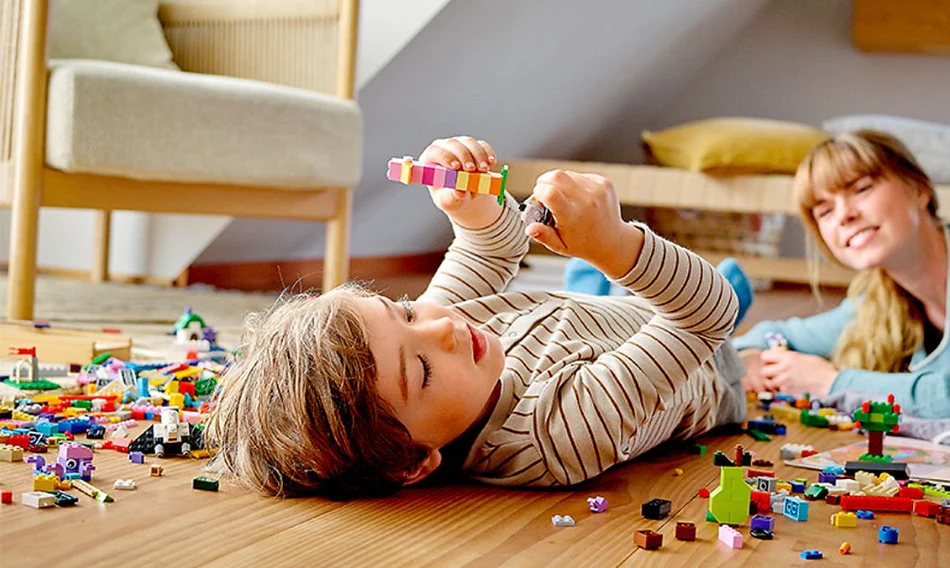
- Cognitive Development: Toys like puzzles, building blocks, and science kits force children to think logically, plan their moves, and understand cause-and-effect relationships.
- Motor Skill Enhancement: Fine motor skills are sharpened through activities like threading beads, assembling small components, or using precision tools.
- Academic Readiness: Many educational toys introduce foundational concepts in math, language, and coding in a way that feels like play rather than schoolwork.
- Persistence and Patience: Completing a complex building set or a challenging puzzle teaches children to stick with a task until it is finished, fostering resilience.
The Benefits of Entertainment Toys
It is a common misconception that "entertainment" means "non-productive." Entertainment toys play a vital role in a child’s social and emotional well-being:
- Emotional Regulation: Plush toys and comfort items provide a sense of security, helping children process emotions and navigate anxiety.
- Imaginative Play: Dolls, action figures, and role-play sets allow children to act out real-life scenarios, which is crucial for developing empathy and social intelligence.
- Creativity and Expression: Open-ended toys allow children to invent their own rules and stories, fostering divergent thinking and artistic expression.
- Stress Relief: Just like adults, children need downtime. Pure entertainment toys allow them to disconnect from the pressures of daily life and simply enjoy themselves.
Finding the Balance: The Hybrid Approach
The most successful toy collections are not polarized; they are balanced. A child who only plays with educational toys may struggle with relaxation, while a child who only has entertainment toys might miss out on critical developmental milestones. Here are some tips for maintaining a balanced toy box:
1. Follow the "One-In, One-Out" Rule
To prevent clutter and ensure your child isn't overwhelmed, rotate toys. When introducing a new educational set, consider putting away a less-used entertainment toy for a few months. This keeps play fresh and exciting.
2. Look for "Open-Ended" Educational Toys
The best toys are those that blur the lines. For example, high-quality wooden building blocks are technically "educational" because they teach physics and geometry, but they are also "entertainment" because they allow for endless imaginative construction. Prioritize toys that can be used in multiple ways.
3. Observe Your Child’s Interest
If your child is showing an interest in space, don't just buy a textbook; look for a high-quality telescope or a model rocket kit. By aligning educational tools with their existing entertainment interests, you make learning feel like a natural extension of their passion.
Trends Shaping the Toy Industry
The toy industry is currently undergoing a massive shift. Here are a few trends to keep an eye on when you are shopping:
Sustainability and Eco-Friendly Materials
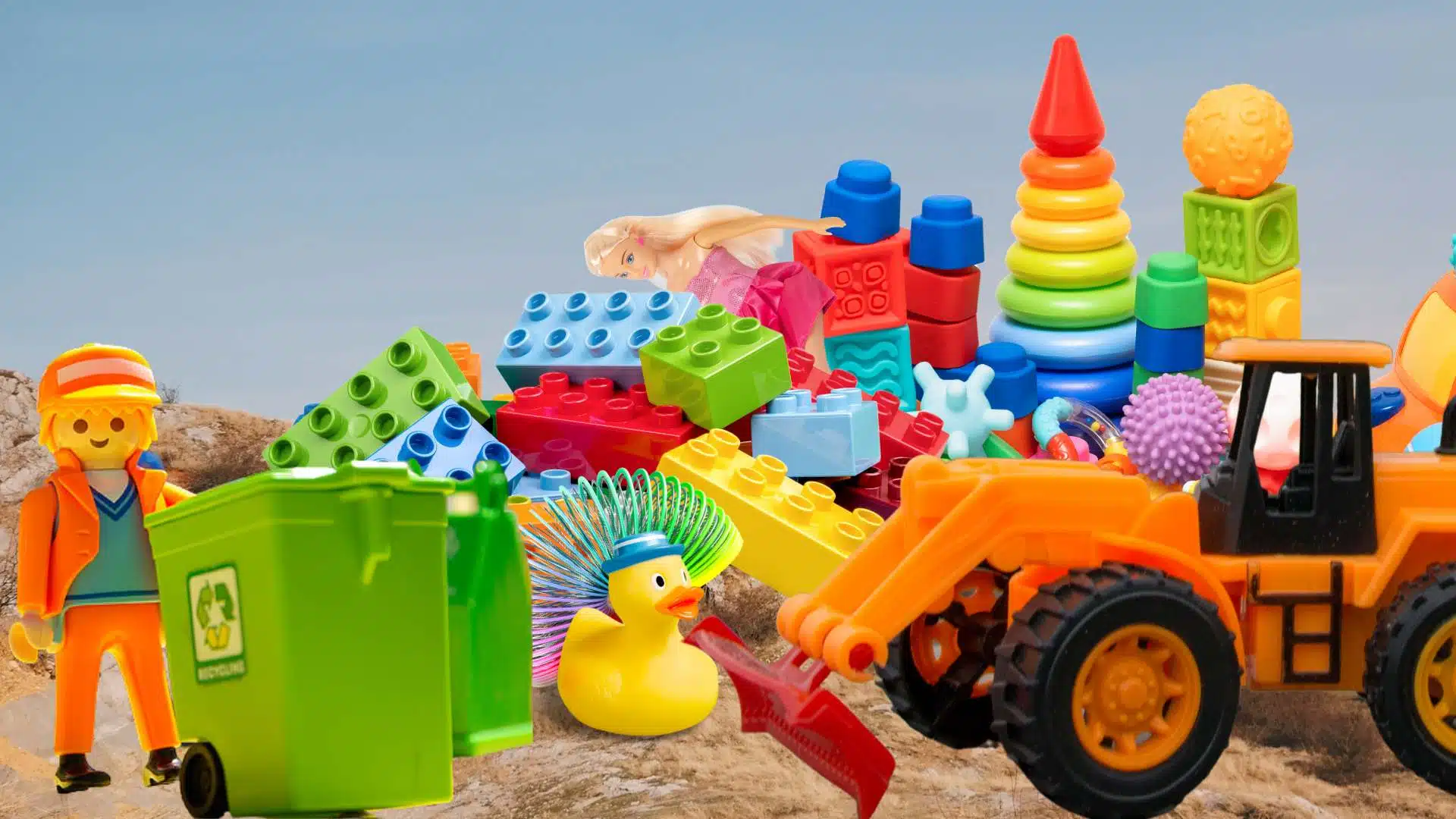
Parents are increasingly moving away from cheap plastic toys that end up in landfills. There is a growing preference for wooden, bamboo, and recycled material toys. These are often more durable, making them a better long-term investment regardless of whether they are educational or entertainment-focused.
The Rise of "Phygital" Play
We are seeing a surge in toys that combine physical objects with digital apps. While some argue this is "screen time," when done correctly, it can be a powerful educational tool, teaching kids coding or interactive storytelling through physical movement.
Minimalism in Play
The "less is more" movement suggests that children are more creative when they have fewer toys. A smaller collection of high-quality, versatile toys encourages deeper play than a room filled with hundreds of single-purpose gadgets.
How to Choose: A Buying Guide for Parents
When you stand in the aisle of a toy store or browse online, use this simple checklist to determine if a toy is worth the investment:
- Is it age-appropriate? Always check the manufacturer's age guidelines. Toys that are too simple are boring; toys that are too complex lead to frustration.
- Is it durable? Will it survive a week of play, or is it a "one-and-done" item? Quality construction is a hallmark of both good educational and good entertainment toys.
- Does it foster interaction? The best toys are those that can be shared with siblings, friends, or parents.
- Does it spark curiosity? If a toy doesn't ask a question or invite a story, it likely won't hold a child's attention for long.
Conclusion: The Goal is Holistic Development
Ultimately, the "educational vs. entertainment" debate is a false dichotomy. A child’s development is holistic. They need the logical stimulation of a puzzle, the creative freedom of a costume, the physical activity of a ball, and the comfort of a soft toy.
By curating a toy collection that balances these needs, you provide your child with the tools they need to become well-rounded individuals. Remember, the best toy in the world is not the most expensive one—it is the one that engages your child’s mind, heart, and imagination in a way that is uniquely suited to their personality. Keep play simple, keep it diverse, and most importantly, keep it fun.