Minimalism vs. Maximalism: Choosing the Right Home Accessories for Your Interior Style
The art of interior design often boils down to the delicate balance of home accessories. Whether you are moving into a new space or looking to refresh your current living environment, the debate between minimalism and maximalism remains the most significant crossroads in home styling. Accessories—the decorative elements that breathe personality into a room—act as the bridge between a functional space and a home that tells a story.
In this guide, we will explore the nuances of these two contrasting design philosophies, helping you decide which approach to home accessories best suits your lifestyle, aesthetic preferences, and practical needs.
Understanding the Minimalist Approach to Home Accessories
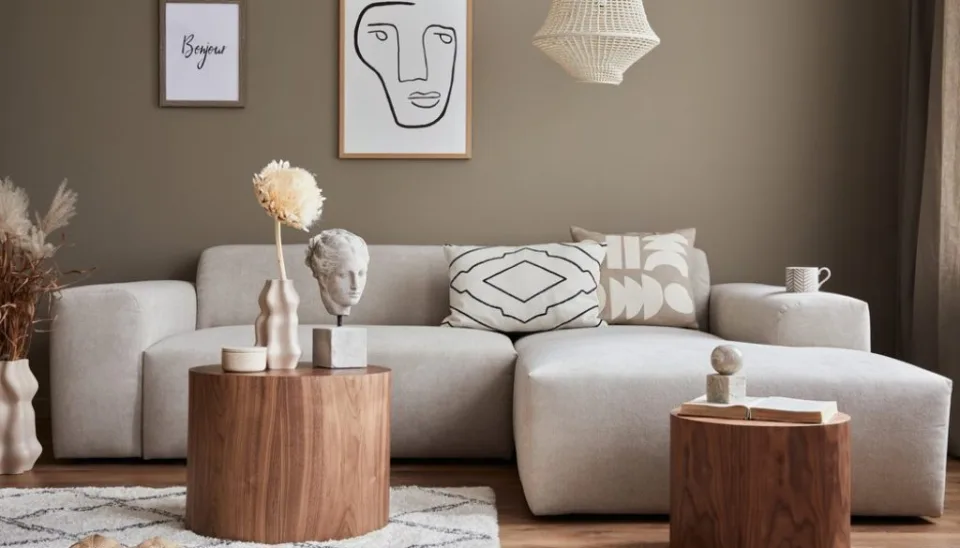
Minimalism is rooted in the philosophy of "less is more." It is not about living in an empty room, but rather about intentionality. In a minimalist home, every accessory serves a purpose or provides profound aesthetic value. The goal is to create a sense of calm, order, and visual clarity.
Key Characteristics of Minimalist Decor
- Neutral Color Palettes: Accessories often feature whites, beiges, greys, or muted earth tones to maintain a cohesive look.
- Focus on Quality over Quantity: Instead of ten small trinkets, a minimalist might choose one high-quality, sculptural piece.
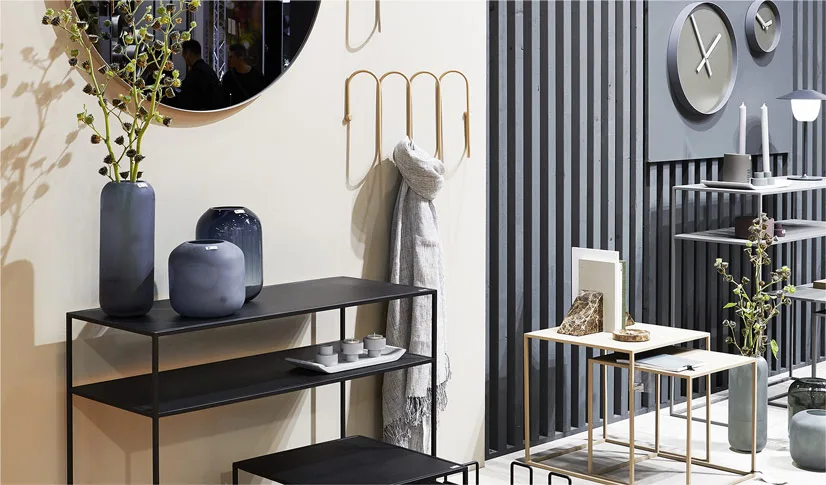
- Functional Art: Minimalist accessories often double as functional items, such as a sleek ceramic vase that looks beautiful even when empty, or a geometric wooden tray that organizes mail.
- Negative Space: Leaving surfaces partially bare is a design choice in itself, allowing the eye to rest.
When selecting accessories for a minimalist home, prioritize texture over color. A chunky wool throw, a smooth marble coaster, or a matte black metal lamp can add depth to a room without introducing visual clutter.
Embracing the Maximalist Approach to Home Accessories
Maximalism is the celebration of personality, history, and abundance. It is a design style that encourages the layering of patterns, colors, and textures to create a rich, immersive environment. If your home is a reflection of your travels, your passions, and your memories, maximalism is likely your natural home.
Key Characteristics of Maximalist Decor
- Bold Color Schemes: Maximalism embraces vibrant hues and high-contrast combinations that command attention.
- Curated Collections: This style thrives on display. Whether it is a gallery wall of eclectic frames or a bookshelf packed with travel souvenirs, maximalism tells a story through volume.
- Layering Textures: Mixing velvet, silk, brass, rattan, and glass within a single room creates a sensory-rich experience.
- "More is More": The philosophy here is that if an object brings you joy, there is a place for it in your home.
Maximalist accessories are often expressive. Think oversized mirrors with ornate gold frames, stacks of art books, bold patterned throw pillows, and vintage collectibles. The challenge in maximalism is ensuring the space feels "curated" rather than "cluttered."
Comparison Table: Minimalism vs. Maximalism
| Feature | Minimalism | Maximalism |
|---|---|---|
| Primary Goal | Serenity and functionality | Self-expression and personality |
| Color Palette | Monochromatic or muted | Vibrant, bold, and varied |
| Accessory Volume | Limited, intentional pieces | Abundant, layered displays |
| Visual Impact | Subtle and calming | Dynamic and energetic |
| Maintenance | Easy to clean and organize | Requires frequent dusting and arranging |
How to Choose the Right Style for Your Space
Choosing between these two paths isn't always binary. Many homeowners find themselves in a "transitional" space, incorporating elements of both. To determine your direction, consider the following factors:
1. Your Lifestyle and Daily Routine
If you have a busy household with children or pets, minimalism can be a practical choice. Fewer accessories mean fewer items to move, clean, or worry about breaking. Conversely, if you enjoy spending time arranging vignettes and find comfort in surrounding yourself with sentimental objects, maximalism can be a deeply rewarding experience.
2. The Architecture of Your Home
Modern homes with large windows and open floor plans often lean naturally toward minimalism. The architecture provides the visual interest, so the accessories only need to complement the structure. Older homes, such as Victorian or Craftsman styles, often feature intricate moldings and cozy nooks that feel "right" when filled with the layered, warm aesthetic of maximalism.
3. The Emotional Response You Seek
Walk into a room and observe your reaction. Do you feel stressed by a cluttered shelf, or do you feel a sense of nostalgia? Minimalism is designed to lower cortisol levels and promote focus. Maximalism is designed to stimulate creativity and provide a sense of "homey" comfort. Neither is superior; it is about which environment allows you to thrive.
Essential Home Accessories for Every Home
Regardless of your chosen style, certain categories of home accessories are essential for elevating a space. Here is how to approach them differently based on your preference:
Lighting
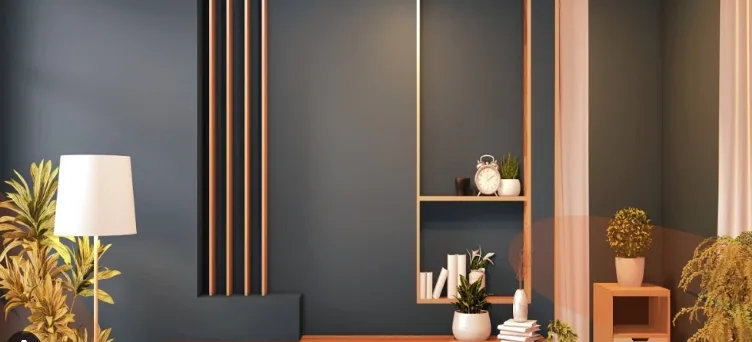
Lighting is the jewelry of the home. Minimalists should look for architectural lamps with clean lines and hidden light sources. Maximalists should look for statement chandeliers, colorful glass table lamps, or floor lamps that act as sculptures.
Textiles
Textiles are the easiest way to change the mood of a room. A minimalist might stick to neutral linen curtains and a single, high-quality cashmere throw. A maximalist might mix a leopard-print rug with velvet cushions and embroidered tapestries.
Wall Decor
For the minimalist, one large, high-impact piece of abstract art is often enough to anchor a room. For the maximalist, the wall is a canvas for a gallery wall—a mix of prints, mirrors, plates, and family photos that span from ceiling to floor.
Tips for Blending Styles: The "Curated Eclectic" Approach
You do not have to commit strictly to one side. Many designers advocate for a "curated eclectic" style, which uses minimalist foundations with maximalist accents. Here is how to achieve it:
- Start with a Minimalist Base: Choose neutral furniture and wall colors to create a clean slate.
- Introduce Maximalist Focal Points: Add one or two bold accessories, such as a vibrant rug or a collection of colorful ceramics, to serve as the "heart" of the room.
- Group Items Strategically: Instead of scattering small items everywhere, group them on a tray or a single shelf. This creates a maximalist "moment" within a minimalist frame.
- Edit Regularly: Even if you love maximalism, take a "minimalist break" once a season. Remove everything from a shelf, clean it, and only put back the items that still resonate with you.
The Role of Sustainability in Home Accessories
As the home accessories market evolves, consumers are becoming more conscious of where their decor comes from. Regardless of whether you prefer minimalism or maximalism, the most sustainable approach is to choose items that are built to last.
Investing in artisanal, handcrafted home accessories often means you are purchasing items made from natural, renewable materials like wood, stone, and wool. These pieces tend to age gracefully, developing a patina that mass-produced plastic items cannot replicate. By choosing quality over disposable decor, you reduce waste and ensure that your home accessories remain a part of your life for years to come.
Final Thoughts: Your Home, Your Rules
The journey of accessorizing your home is personal. Minimalism offers a sanctuary of peace, while maximalism offers a vibrant celebration of life. When shopping for home accessories, ignore the pressure to follow trends that don't resonate with you. Instead, focus on the items that spark joy and serve the function you require.
Whether you choose to keep your surfaces clear and your lines clean, or you decide to fill every corner with items that hold a story, the most important accessory in any home is the people who live within it. Let your decor be the backdrop to your life, not the main event.
Take your time, curate with intention, and remember that your home is a work in progress. Your style will evolve, and your home accessories should be allowed to evolve with it.