The Ultimate Home Accessories Buying Guide: How to Choose and Style Decorative Accents
Home accessories are often described as the "jewelry" of interior design. While foundational furniture pieces like sofas, dining tables, and beds define the structure and utility of a room, decorative accents infuse it with personality, warmth, and visual interest. Whether you are moving into a new home, refreshing a tired space, or seeking to elevate your current interior aesthetic, selecting the right home accessories requires a thoughtful balance of art and strategy.
Navigating the vast world of decor can easily feel overwhelming. With countless textures, materials, colors, and styles available, making cohesive choices is crucial to avoiding a cluttered look. This comprehensive buying guide explores every major category of home accessories, outlining key selection criteria, styling rules, and practical tips to help you transform your living environment effectively.
Understanding the Strategic Role of Home Accessories
Before purchasing decorative items, it is important to understand what they accomplish within a room. Home accessories serve multiple aesthetic and psychological functions that go far beyond simple ornamentation:
- Establishing Narrative and Personality: Unique accents reflect your personal history, travels, taste, and lifestyle, turning a generic room into a personal sanctuary.
- Creating Visual Anchor Points: Well-placed items—such as a large vase on an entryway console or a bold piece of wall art—draw the eye and establish focal points.
- Balancing Scale and Proportion: Smaller accents help soften the hard angles and massive forms of large furniture pieces.
- Introducing Color and Texture: Accessories allow you to experiment with vibrant hues, rich patterns, and tactile materials without committing to expensive, permanent alterations.
- Enhancing Functionality: Many decorative items, such as trays, storage baskets, table lamps, and mirrors, offer genuine practical value alongside aesthetic charm.
Essential Categories of Home Accessories
To build a well-balanced interior, it helps to source items from a variety of distinct accessory categories. Below is an in-depth look at the foundational groups of home decor and how to evaluate them.
1. Decorative Textiles
Soft furnishings are the fastest way to introduce warmth and comfort into a residential space. This category includes throw pillows, throw blankets, area rugs, and window treatments.
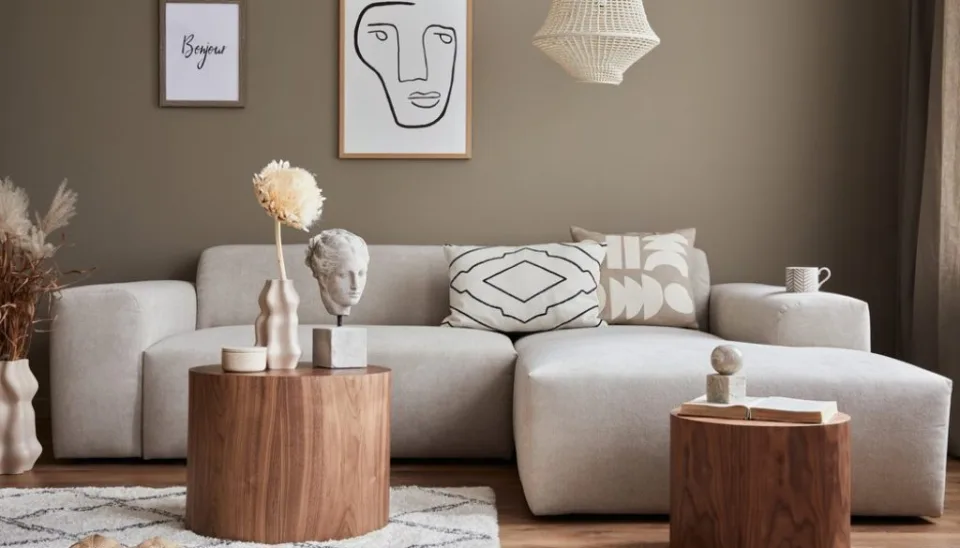
When selecting throw pillows and cushions, pay close attention to the insert material and fabric weave. Feather and down inserts offer a classic, luxurious fall and can be easily "chopped" for a tailored look, whereas high-density polyester inserts hold a firm, structured shape. Combine different textures—such as chunky knit, smooth velvet, crisp linen, or woven wool—to create visual depth on seating surfaces.
Throw blankets act as functional layers of accent color. Draped over an armrest or folded neatly at the foot of a bed, materials like cashmere, alpaca, or heavy cotton add immediate tactile appeal. Match lighter linens and cottons with warmer months, transitioning to bouclé, wool, or faux fur during colder seasons.
2. Lighting and Candles
Lighting accessories shape the ambiance of a room while acting as sculptural objects during daylight hours. Layered lighting strategies rely heavily on small-scale, decorative light fixtures.
- Table and Task Lamps: Select lamps that complement the scale of the surface they sit on. Look for ceramic, mouth-blown glass, or brushed metal bases with linen or paper shades to diffuse light softly.
- Candles and Candleholders: Taper candles bring elegant vertical lines to dining tables, while pillar candles set in hurricane lamps offer cozy, flickering ambient light. Brass, marble, and ceramic holders add structural interest even when the candles are unlit.
3. Wall Art, Mirrors, and Wall Hangings
Vertical surfaces represent vast canvas space in any home. Leaving walls completely blank can make a room feel unfinished, while overfilling them causes visual chaos.
Wall Art: Consider scale carefully. A single oversized canvas makes a bold, contemporary statement, whereas a gallery wall featuring smaller framed prints, sketches, or photography offers an eclectic feel. Ensure the artwork is hung at eye level (typically around 57 to 60 inches from the floor to the center of the piece).
Mirrors: Beyond their functional use, mirrors reflect natural light into darker corners and create the optical illusion of greater space. Frames made of natural wood, hand-forged iron, or gilded metal allow mirrors to function as standalone artwork.
4. Botanical Accents, Planters, and Vases
Biophilic design—incorporating elements of nature into indoor spaces—has proven psychological benefits, including stress reduction and improved focus. Botanical accessories bridge the gap between human-made interiors and the organic world.
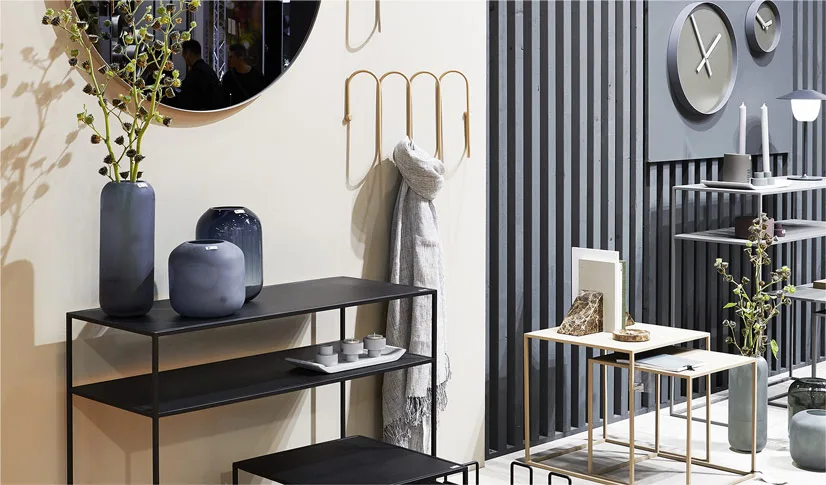
Combine living houseplants, dried botanicals, or high-quality faux greenery with carefully chosen vessels. Vases and planters should be evaluated for both their form and water tightness. Terracotta, stoneware, and concrete planters provide a grounded, rustic feel, while crystal, smoked glass, and polished metal offer sleek, modern aesthetics.
5. Tabletop Objects, Trays, and Books
Surface styling brings living rooms, home offices, and bedrooms to life. Flat surfaces like coffee tables, mantels, bookshelves, and sideboards benefit from curated vignettes.
- Decorative Trays: Trays unify small items. A marble, wooden, or leather tray holds remote controls, small vases, and candle snuffers, instantly turning scattered objects into an intentional collection.
- Coffee Table Books: Hardcover books serve as colorful display stands for smaller objects while providing interesting subjects for guests to read. Select books focused on art, architecture, travel, or photography that match your color story.
- Sculptural Objects and Bowls: Wood carvings, brass figurines, geological specimens, and ceramic bowls introduce unusual geometric shapes that break up long, straight lines.
Key Criteria to Consider Before Buying
Impulse buying is one of the most common pitfalls when shopping for home accessories. A piece may look stunning on a store shelf or in a studio photograph, but appear completely out of place in your actual living environment. Evaluate every potential purchase against these fundamental interior design criteria:
Scale and Proportion
Scale refers to how an object relates to the size of the room and surrounding furniture. Placing tiny accessories on a massive sectional sofa or an expansive dining table makes them look lost and insignificant. Conversely, an oversized floor vase placed in a narrow corridor obstructs movement and disrupts room flow. Measure your surfaces and clear spaces before shopping to ensure correct proportions.
Color Palette and Harmony
A classic color distribution rule used by professional interior designers is the 60-30-10 rule:
- 60% Main Color: Typically the walls, major furniture pieces, and large area rugs.
- 30% Secondary Color: Upholstery, curtains, and secondary furniture.
- 10% Accent Color: Home accessories, art, throw pillows, and decorative objects.
Accessories are the primary medium for that crucial 10%. You can choose complementary colors (opposite each other on the color wheel for vibrant energy) or analogous colors (adjacent on the color wheel for a serene, cohesive mood).
Material Cohesion and Texture Contrast
A room where every accessory is made of smooth white ceramic feels flat and sterile. Successful styling relies on tactile contrast. If your room features smooth leather and polished glass, introduce soft wool throws, matte ceramic vases, and rough-hewn wooden bowls. Aim for a balanced blend of warm materials (wood, woven fiber, leather, brass) and cool materials (glass, marble, steel, concrete).
Home Accessories Quick-Reference Matrix
The table below provides a quick reference guide to selecting accessories based on room type, key functional benefits, and recommended material pairings.
| Accessory Type | Primary Room Placement | Design Function | Ideal Material Combinations | Styling Tip |
|---|---|---|---|---|
| Decorative Pillows & Throws | Living Room, Bedroom | Adds softness, color contrast, and physical comfort | Linen + Bouclé, Wool + Velvet | Layer different sizes; use feather inserts for a natural drape. |
| Mirrors | Entryway, Living Room, Dining Room | Reflects light, expands visual space, serves as a focal point | Forged Iron, Brass, Natural Oak | Hang directly opposite windows or light sources for maximum brightness. |
| Trays & Bowls | Coffee Table, Ottoman, Console Table | Organizes clutter, unifies small decorative objects | Marble + Brass, Carved Wood + Leather | Use as a base to group objects in odd numbers (groups of 3 or 5). |
| Vases & Planters | Dining Table, Mantel, Windowsill | Introduces organic forms, height, and natural elements | Glazed Ceramic, Smoked Glass, Terracotta | Mix heights when placing multiple vessels together on a surface. |
| Table Lamps | Side Tables, Nightstands, Desks | Provides task/ambient lighting, sculptural beauty | Alabaster, Fluted Glass, Brushed Nickel | Ensure the shade sits at eye level when you are seated. |
Professional Principles for Styling Home Accessories
Once you have purchased high-quality accessories, arranging them effectively is key. Interior decorators rely on proven techniques to build visually appealing compositions:
The Rule of Odds
In visual composition, odd numbers—particularly groups of three or five—are more dynamic and appealing to the human eye than even pairings. An even number of items creates symmetry, which can sometimes feel static or formal. An odd number encourages the eye to move around the group. For example, style a coffee table with one tall vase, one stack of books, and one small decorative bowl.
Creating Depth Through Layering
Avoid lining accessories up in a flat, straight row. Instead, create depth by overlapping objects from front to back. On a bookshelf or mantelpiece, place a framed art print slightly behind a small vase, overlapping the edge of the frame. This layering technique establishes a sense of dimension and curated charm.
Varying Heights and Silhouettes
Monotony ruins visual interest. When arranging items on a surface, combine tall vertical pieces (such as candlesticks or tall branches) with low horizontal elements (like trays or books) and medium-sized organic shapes (such as round decorative globes or sculpted bowls). The contrasting heights encourage the eye to move comfortably across the display.
Embracing Negative Space
One of the most critical aspects of home styling is knowing when to stop. "Negative space"—the empty area around and between objects—gives the eye a place to rest. Overcrowding every surface creates visual clutter, making a home feel chaotic rather than relaxing. Allow breathing room around your favorite accent pieces so they can truly stand out.
Choosing Sustainable and Timeless Decor
Fast-decor trends change rapidly, leading to unnecessary waste and frequent replacement costs. Investing in sustainable, high-quality home accessories is better for both your home and the environment. Consider these guidelines when shopping for long-lasting decor:
- Prioritize Natural Materials: Solid wood, stone, ceramic, glass, linen, and wool age gracefully, acquiring a rich patina over time rather than wearing out like synthetic plastics.
- Support Handcrafted Artisan Goods: Hand-blown glass, wheel-thrown pottery, and hand-woven textiles carry unique variations that bring authentic character to your living space.
- Opt for Classic Silhouettes: Select clean, timeless shapes for core accessories, using small, easily swappable details for modern seasonal touches.
- Repurpose and Upcycle: Vintage brass vessels, antique books, and restored wooden bowls add historical warmth that brand-new mass-produced items cannot replicate.
Step-by-Step Purchasing Checklist
Follow this quick step-by-step process before completing any home accessory purchase:
- Audit Your Existing Space: Take photos of the room you want to style. Identify what is missing (e.g., height, warmth, light, or color).
- Establish a Clear Color Palette: Select 1 to 2 accent colors that complement your existing furniture and wall finishes.
- Measure Your Surfaces: Record the dimensions of your tables, shelves, or wall space to avoid scale issues.
- Mix Your Textures: Ensure your shopping list includes a balanced mix of soft, hard, warm, and cool materials.
- Start with Anchors: Buy key foundational accessories first (e.g., an area rug, a large mirror, or lighting) before buying small accent pieces.
Conclusion
Selecting and styling home accessories is a creative journey that allows you to transform any living space into a warm, inviting personal home. By prioritizing scale, balancing textures, respecting negative space, and choosing timeless, high-quality materials, you can curate a beautifully styled interior that feels both sophisticated and lived-in. Take your time, shop intentionally, and enjoy the process of crafting a home that truly reflects your style.