Minimalist vs. Maximalist Home Accessories: Which Style Suits Your Living Space?
The debate between minimalism and maximalism has dominated interior design conversations for years. As homeowners seek to curate spaces that reflect their personality, the choice of home accessories becomes the defining factor. Whether you are looking to declutter your life or express your vibrant inner world, understanding the core principles of these two design philosophies is essential for creating a home that feels both functional and authentic.
In this guide, we will compare minimalist and maximalist home accessories, exploring how each approach transforms a room, the types of decor involved, and how to decide which path aligns best with your lifestyle.
Understanding the Philosophy: Less is More vs. More is More
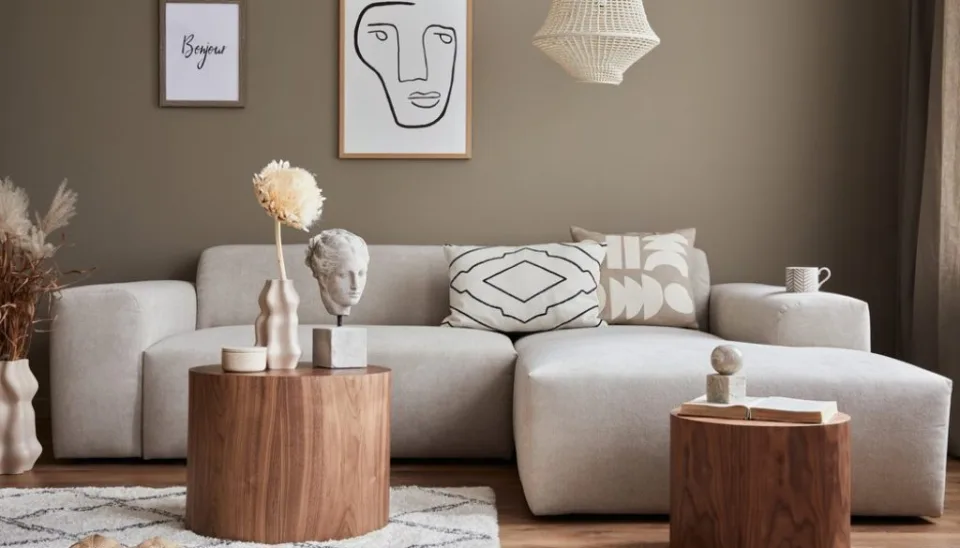
Minimalism is rooted in the concept of intentionality. In a minimalist home, every accessory serves a purpose, whether it is purely functional or provides a specific aesthetic balance. The goal is to create a serene, uncluttered environment that promotes focus and relaxation. Accessories in this style are often chosen for their clean lines, neutral color palettes, and high-quality materials.
Conversely, maximalism is the art of self-expression through accumulation. It celebrates abundance, color, pattern, and texture. A maximalist home tells a story through layers of accessories—vintage finds, travel souvenirs, bold artwork, and eclectic textiles. It is not about "clutter" in the negative sense, but rather "curated chaos" that makes a space feel lived-in, warm, and deeply personal.
Key Differences at a Glance
| Feature | Minimalist Accessories | Maximalist Accessories |
|---|---|---|
| Primary Focus | Functionality & Negative Space | Personal Expression & Storytelling |
| Color Palette | Monochromatic or Neutral | Bold, Contrasting, or Multi-colored |
| Texture | Smooth, Matte, Natural | Layered, Varied, Tactile |
| Visual Impact | Calming & Subtle | Energetic & Dramatic |
| Arrangement | Symmetrical & Sparse | Asymmetrical & Layered |
Minimalist Home Accessories: The Art of Restraint
When selecting accessories for a minimalist home, the mantra is "quality over quantity." You are not just buying an object; you are investing in a piece that adds value to the room without causing visual noise.
1. Materials Matter
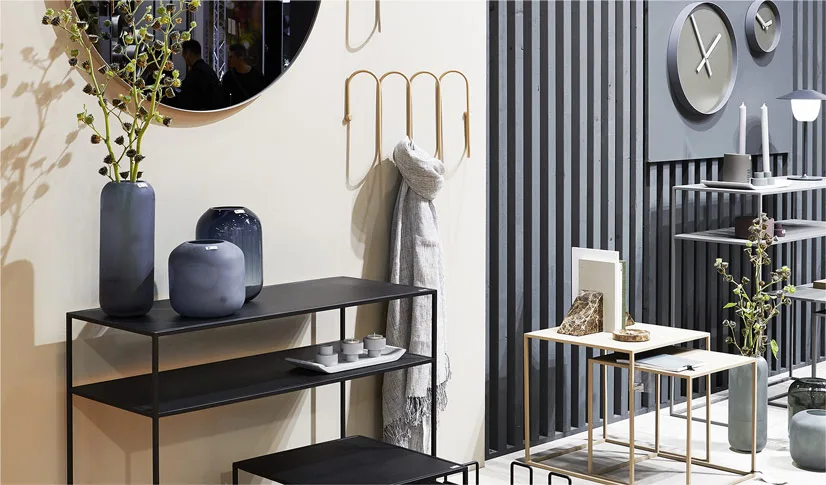
Minimalist decor relies heavily on natural materials. Think of stone, wood, glass, and brushed metals. A single, high-quality ceramic vase on a wooden console table can serve as the focal point of an entryway without the need for additional clutter. The beauty lies in the texture of the material itself rather than an intricate design.
2. The Power of Negative Space
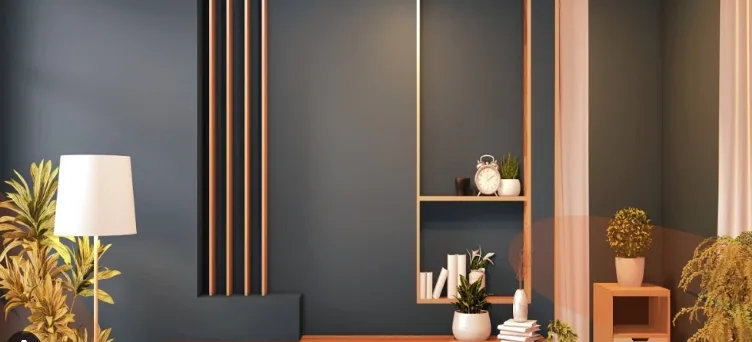
In minimalism, the empty space around an accessory is just as important as the object itself. When styling a shelf, leave gaps. Allow the eyes to rest. A minimalist home accessory should never feel like it is "filling" a space; it should feel like it is "completing" it.
3. Functional Decor
The best minimalist accessories perform a duty. A sleek, wall-mounted clock, a sculptural coat rack, or a set of uniform, linen-covered storage boxes are perfect examples. These items organize the home while contributing to a clean aesthetic.
Maximalist Home Accessories: The Joy of Curation
Maximalism is often misunderstood as hoarding, but true maximalist design is a highly disciplined skill. It requires a keen eye for balance so that the room feels vibrant rather than chaotic.
1. Layering Textures and Patterns
Maximalism thrives on the juxtaposition of different elements. You might place a velvet throw pillow with a geometric pattern on a leather sofa, draped with a faux-fur blanket. The key is to vary the scale of the patterns so that they complement rather than compete with one another.
2. Displaying Personal Collections
If you have a collection of vintage cameras, colorful glassware, or travel trinkets, maximalism is your best friend. Instead of hiding these items in drawers, group them together on open shelving or a dedicated display cabinet. These accessories act as conversation starters and infuse the room with your personal history.
3. Bold Statement Pieces
Where minimalism uses subtle accents, maximalism uses statement pieces. Think of an oversized, ornate gold-framed mirror, a neon wall sign, or a large-scale abstract painting. These items command attention and set the tone for the entire room.
How to Choose the Right Style for Your Home
Choosing between these two styles isn't necessarily a permanent commitment. You can borrow elements from both to create a "transitional" or "eclectic" look. However, to determine your baseline, consider the following factors:
Assess Your Lifestyle
If you have a busy household with children or pets, minimalism might be difficult to maintain, but it also makes cleaning much faster. If you find comfort in being surrounded by your favorite things, maximalism will provide a sense of emotional warmth and security.
Consider the Room’s Function
You might prefer a minimalist bedroom to promote better sleep, while your living room or home office could benefit from the creative energy of a maximalist approach. It is perfectly acceptable to have different design philosophies for different areas of your home.
Start Small with "Accessorizing"
If you are unsure, start by testing accessories. Buy a set of neutral, minimalist vases and see how they change the room. If it feels too sterile, introduce a vibrant, patterned rug or a gallery wall of eclectic frames. You will quickly learn whether your space feels better when it is "quiet" or "loud."
Tips for Balancing Both Worlds
For those who love the idea of maximalism but crave the peace of minimalism, there is a middle ground: Curated Minimalism.
- The Rule of Three: Whether you are minimalist or maximalist, grouping accessories in odd numbers (especially three) creates a more visually appealing display.
- Color Anchoring: If you want to use many accessories, try to keep them within a specific color family to maintain cohesion.
- Rotate Your Decor: You don’t have to display everything at once. Keep a rotation of accessories for different seasons to keep your home feeling fresh without cluttering it.
- Invest in Lighting: Regardless of your style, lighting is the ultimate home accessory. A statement chandelier can serve as a minimalist focal point or the crowning jewel of a maximalist room.
The Future of Home Accessories: Sustainability and Intentionality
Regardless of whether you lean toward minimalist or maximalist, the current trend in home accessories is moving toward sustainability. Consumers are increasingly opting for artisanal, handmade, and ethically sourced items over mass-produced decor.
Minimalists are looking for "forever pieces"—items made of durable materials that will last a lifetime. Maximalists are turning to upcycled vintage goods and antique markets, giving new life to old treasures. Both approaches prioritize the story behind the accessory, ensuring that your home reflects not just your style, but your values.
Conclusion: Your Home, Your Rules
At the end of the day, home accessories are the jewelry of your living space. They provide the final touch that makes a house feel like a home. Minimalism offers a sanctuary of calm, perfect for those who want to escape the noise of the outside world. Maximalism offers a canvas of expression, perfect for those who want their home to be a vibrant reflection of their unique personality.
Don't feel pressured to adhere strictly to one style. Interior design is an evolving process. Experiment with different textures, colors, and arrangements. By focusing on pieces that bring you joy and serve a purpose, you will inevitably create a space that is perfectly suited to you.
Whether you choose to strip back to the essentials or fill your shelves with the treasures of your life, remember that the best home accessory is one that makes you smile every time you walk through the door.