The Ultimate Fitness Equipment Buying Guide: How to Build Your Perfect Home Gym
Embarking on a fitness journey is one of the most rewarding commitments you can make for your long-term health. However, the path to consistency often hits a roadblock: the inconvenience of traveling to a commercial gym. Building a home gym has become the gold standard for fitness enthusiasts, offering unparalleled convenience, privacy, and time efficiency. But with an overwhelming array of fitness equipment on the market, knowing where to start can be daunting.
This comprehensive guide will walk you through the essential considerations for selecting fitness equipment, how to prioritize your purchases based on your goals, and how to maximize your space without breaking the bank.
1. Assessing Your Fitness Goals and Available Space
Before you spend a single dollar, you must define what "fitness" means to you. Are you training for strength, endurance, flexibility, or general weight management? Your goals dictate the equipment you need.
Defining Your Training Style
- Strength Training: Focus on resistance equipment like dumbbells, kettlebells, and barbells.
- Cardiovascular Health: Prioritize machines like treadmills, rowing machines, or stationary bikes.
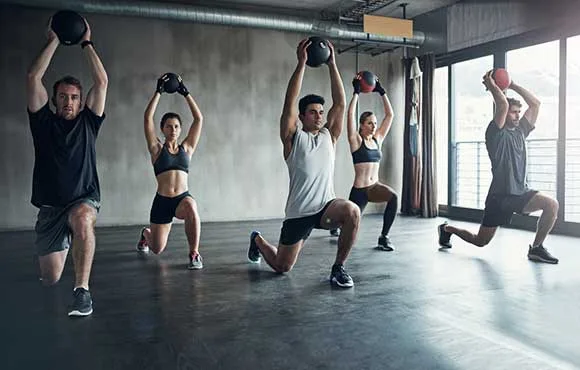
- Functional Fitness: Look for versatile tools like resistance bands, medicine balls, and plyometric boxes.
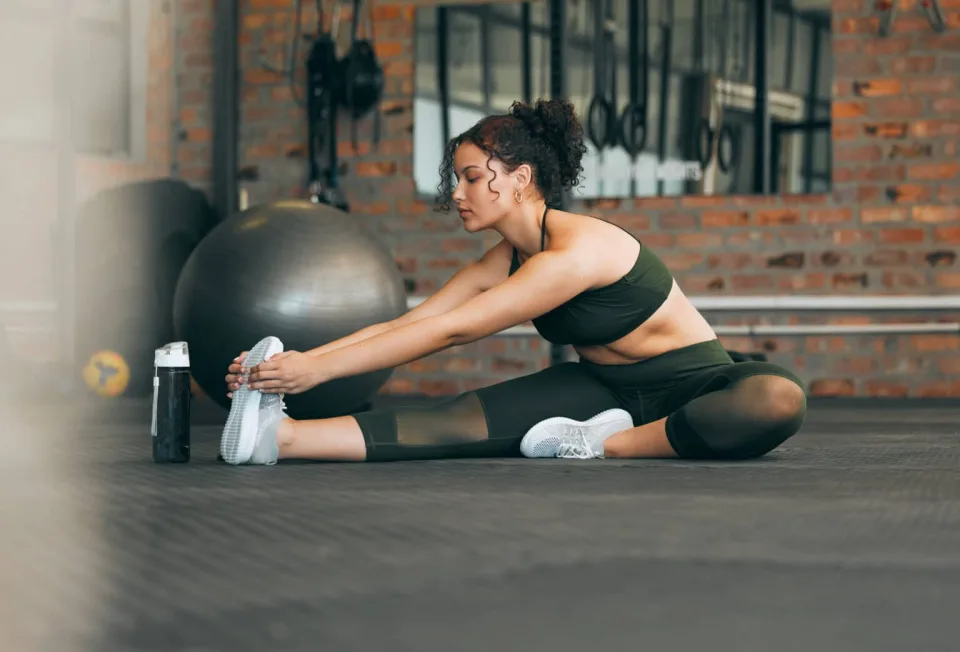
- Mobility and Recovery: Invest in high-quality yoga mats, foam rollers, and massage guns.
Optimizing Your Footprint
Space is the primary constraint for most home gym owners. If you are working with a spare bedroom or a garage, measure your floor space accurately. Consider vertical storage solutions, such as wall-mounted racks or dumbbell trees, to keep your workout area safe and clutter-free.
2. The Essential Fitness Equipment Hierarchy
You don't need a warehouse full of equipment to get a world-class workout. In fact, starting with the essentials allows you to master form before moving on to complex machinery. Use the table below to categorize your potential investments based on functionality and space requirements.
| Equipment Type | Primary Benefit | Space Required | Best For |
|---|---|---|---|
| Adjustable Dumbbells | Strength/Hypertrophy | Low | Limited space, full-body training |
| Resistance Bands | Mobility/Tension | Minimal | Travelers, beginners, rehab |
| Rowing Machine | Full-body Cardio | Medium | Endurance, low-impact training |
| Kettlebells | Power/Functional | Low | HIIT, explosive movements |
| Adjustable Bench | Support/Variety | Medium | Strength training progression |
3. Deep Dive: Selecting Strength Training Equipment
Strength training is the cornerstone of metabolic health. When buying strength gear, durability and safety are non-negotiable.
Choosing the Right Dumbbells
For most home users, adjustable dumbbells are the "holy grail." They replace an entire rack of traditional weights, saving massive amounts of space. When shopping, look for a mechanism that feels secure and allows for quick weight transitions. Ensure the grip is ergonomic and the material (usually cast iron or steel) is coated to prevent rust and floor damage.
The Case for Barbells and Racks
If you have the space, a power rack and a barbell set are the ultimate investment. When buying a barbell, check the tensile strength and the quality of the "knurling" (the grip texture). A good power rack should have sturdy safety spotter arms, allowing you to lift heavy alone without the risk of injury.
4. Navigating Cardio Equipment Choices
Cardio equipment is a significant investment, both in terms of cost and space. To make the right choice, consider the "impact" level you desire.
- Treadmills: Excellent for running and walking, but require significant space and maintenance. Look for models with shock-absorption technology to protect your joints.
- Rowing Machines: Often considered the most efficient cardio tool because they engage over 80% of your muscles. They are ideal for low-impact, high-intensity training.
- Stationary Bikes: Perfect for those who want a steady-state cardio option while reading or watching television. Consider magnetic resistance systems for a smoother, quieter ride.
5. Quality vs. Budget: How to Shop Smart
The fitness industry is flooded with cheap, poorly constructed equipment that can be dangerous or frustrating to use. As a rule of thumb, prioritize quality for items that bear weight or involve mechanical movement.
Where to Splurge
Spend more on items like power racks, benches, and heavy-duty cardio machines. These items are the backbone of your gym and need to withstand years of repetitive stress. A high-quality bench will not wobble, and a well-built rack will provide peace of mind during heavy squats.
Where to Save
You can often save money on accessories. Items like weight plates, floor mats, and storage racks don't necessarily need to be top-of-the-line to be effective. Used fitness equipment markets are also excellent resources for finding heavy iron plates that will last a lifetime regardless of their cosmetic appearance.
6. Safety and Maintenance Tips
A home gym is only as good as its safety protocols. Never compromise on your environment.
Floor Protection
Always invest in high-density rubber gym flooring. Not only does it protect your home's foundation, but it also provides a non-slip surface that is essential for performing movements like deadlifts or lunges safely.
Regular Maintenance
Check your equipment every few months. Tighten bolts on benches and racks, wipe down cardio machines to prevent sweat-induced corrosion, and inspect resistance bands for micro-tears. A well-maintained gym is a safe gym.
7. Emerging Trends in Home Fitness
The fitness landscape is constantly evolving. Keep an eye on these trends to future-proof your gym:
- Connected Fitness: Equipment that integrates with digital apps to provide real-time coaching and performance tracking.
- Smart Recovery: More people are investing in percussion massage guns and compression boots to speed up recovery between sessions.
- Minimalist Functional Tools: The shift toward "natural movement" has seen a surge in popularity for gymnastic rings, parallettes, and suspension trainers.
Conclusion: Start Small, Think Long-Term
Building a home gym is not a race; it is a marathon. You do not need to purchase every piece of equipment on this list at once. Start with the basics—a high-quality mat, a set of adjustable dumbbells, and a pair of resistance bands—and expand your collection as your training intensity grows.
By focusing on quality, understanding your specific fitness goals, and maintaining your equipment properly, you will create a space that not only facilitates physical transformation but also becomes a sanctuary for your mental well-being. Invest in your health today, and your future self will thank you for the consistency and strength you built in the comfort of your own home.