The Ultimate Guide to Choosing the Right Home Fitness Equipment for Your Goals
Embarking on a fitness journey is one of the most rewarding commitments you can make for your long-term health. However, the fitness industry is saturated with gadgets, machines, and accessories, making it difficult to discern what is truly necessary for your home gym. Whether you are a beginner looking to improve your general wellness or an athlete training for peak performance, choosing the right equipment is the foundation of consistency.
This guide explores the essential categories of home fitness equipment, helping you make informed decisions that align with your space, budget, and physical goals.
Understanding Your Fitness Goals: The First Step
Before purchasing a single piece of equipment, you must define what you want to achieve. Fitness equipment generally falls into three primary categories: cardiovascular training, strength training, and mobility/recovery. Your selection should be based on the following:
- Cardiovascular Health: Focus on heart rate elevation and endurance.
- Strength and Hypertrophy: Focus on muscle growth and bone density.
- Functional Fitness: Focus on flexibility, balance, and daily movement patterns.
Essential Cardio Equipment: Improving Heart Health
Cardio equipment is the cornerstone of many home gyms. When choosing, consider the impact on your joints and the space available in your home.
Treadmills vs. Ellipticals
Treadmills offer the most natural form of human movement—walking and running. Modern treadmills feature incline settings that allow for high-intensity interval training (HIIT) without requiring high speeds. Conversely, ellipticals provide a low-impact workout, making them ideal for individuals with joint pain or those recovering from injuries.
Stationary Bikes
For those with limited space, stationary bikes are a superior choice. Upright bikes mimic traditional outdoor cycling, while recumbent bikes provide back support, making them an excellent option for seniors or those with lower back issues.
Strength Training: Building Muscle at Home
Strength training is essential for metabolic health. You do not need a massive squat rack to see results; however, you do need equipment that allows for "progressive overload"—the gradual increase of weight or resistance over time.
Free Weights vs. Machines
Free weights (dumbbells, kettlebells, and barbells) require stabilizer muscle engagement, leading to more functional strength. Machines, while safer for beginners, often isolate specific muscle groups. For most home users, a set of adjustable dumbbells is the most space-efficient and versatile investment.
Resistance Bands
Often overlooked, resistance bands are a powerhouse of versatility. They are inexpensive, portable, and provide constant tension throughout the entire range of motion, which is excellent for muscle activation and injury prevention.
Comparison Table: Choosing Equipment Based on Your Space and Budget
| Equipment Type | Best For | Space Requirement | Cost Level |
|---|---|---|---|
| Adjustable Dumbbells | Strength/Hypertrophy | Low | Medium |
| Resistance Bands | Mobility/Toning | Minimal | Low |
| Stationary Bike | Cardio/Endurance | Medium | Medium-High |
| Kettlebells | Functional/Power | Low | Medium |
| Treadmill | Cardio/Running | High | High |
Mobility and Recovery: The Hidden Key to Longevity
Fitness is not just about the work you put in; it is about how well you recover. Neglecting mobility leads to injury, which is the primary reason most people quit their fitness programs. Investing in recovery tools is just as important as investing in weight plates.
Foam Rollers and Massage Guns
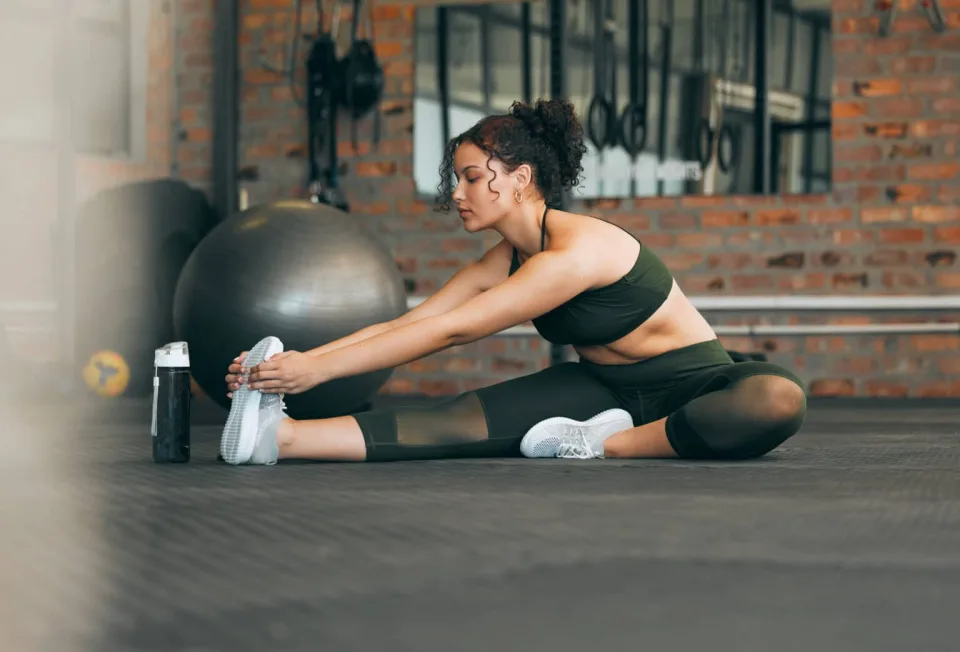
Self-myofascial release, or foam rolling, helps improve blood flow to the muscles and reduces soreness after intense workouts. Massage guns offer a more targeted approach, helping to release tight knots in deep tissue, which can significantly improve your range of motion.
Yoga Mats and Blocks
A high-quality, non-slip yoga mat is non-negotiable. Whether you are doing yoga, pilates, or bodyweight core work, a stable surface protects your joints and ensures proper alignment.
Key Factors to Consider Before Buying
To avoid the common trap of buying "dust collectors," evaluate your potential purchase against these three criteria:
1. The "Ease of Use" Factor
If your equipment is difficult to set up or adjust, you will eventually stop using it. Choose equipment that allows you to transition between exercises quickly. Adjustable dumbbells are a perfect example of "set it and forget it" efficiency.
2. Versatility
Prioritize gear that serves multiple purposes. A kettlebell, for instance, can be used for squats, swings, rows, and presses. A single-purpose machine often ends up as an expensive clothes rack.
3. Space and Storage
Before buying, measure your floor space. If you live in an apartment, look for foldable treadmills or wall-mountable storage racks for your weights. If the equipment is easy to store, you are more likely to keep your workout area tidy and inviting.
Current Trends in Fitness Technology
The fitness landscape is shifting toward data-driven training. Many modern machines now integrate with mobile applications to track your progress. While data is useful, do not let "analysis paralysis" stop you from training. The best fitness tracker is the one that encourages you to move more, not the one with the most complex dashboard.
The Rise of Virtual Classes
Many users are opting for equipment that integrates with virtual training platforms. These services provide guided workouts that mimic the energy of a live gym environment, which can be a significant motivator for home-based athletes.
Maintaining Your Equipment
Once you have invested in your home gym, maintenance is vital for longevity and safety. Follow these simple tips:
- Wipe Down Regularly: Sweat is corrosive. Wipe down your equipment after every use with a mild, non-abrasive cleaner.
- Check Bolts and Fasteners: Periodically tighten the screws on benches and racks to ensure stability.
- Lubricate Moving Parts: If you have a treadmill or elliptical, follow the manufacturer's instructions for lubricating the belt or joints to prevent squeaking and wear.
Conclusion: Start Small and Build Consistently
The biggest mistake most people make is buying too much equipment at once. You do not need a fully equipped professional gym to achieve a world-class physique or optimal health. Start with the basics—perhaps a pair of dumbbells and a yoga mat—and master your routine. As you progress, you will naturally discover which pieces of equipment are missing from your arsenal.
Remember, the most effective piece of fitness equipment is the one you actually use. By focusing on quality, versatility, and your specific personal goals, you can build a home gym that serves as a sanctuary for your physical and mental well-being for years to come.