The Ultimate Guide to Choosing Toys: Educational STEM Toys vs. Traditional Imaginative Play Sets
For parents, educators, and gift-givers, the toy aisle can be an overwhelming landscape. With thousands of options ranging from high-tech robotics to classic wooden blocks, choosing the right toy is more than just a matter of preference—it is a decision that impacts a child’s cognitive, social, and emotional development. The debate between Educational STEM (Science, Technology, Engineering, and Mathematics) toys and Traditional Imaginative Play sets has been ongoing for years. Both categories offer unique benefits, but understanding their differences is key to fostering a well-rounded childhood.
Understanding STEM Toys: The Future of Play
STEM toys are specifically designed to stimulate interest in science, technology, engineering, and math. These toys are not just about "learning"; they are about problem-solving, logical thinking, and understanding the mechanics of the world. In an increasingly digital era, these toys provide a hands-on approach to complex concepts that children might otherwise find intimidating.
The Core Benefits of STEM Toys
- Critical Thinking: STEM toys often require a step-by-step approach to achieve a goal, such as building a functional bridge or programming a small robot.
- Resilience: When a building project collapses or a code fails, children learn the value of trial and error. This builds grit and patience.
- Future-Proofing: Familiarity with basic mechanics, circuitry, or coding logic provides a head start in a technology-driven job market.
Examples of STEM toys include programmable robots, chemistry kits, complex magnetic construction tiles, and engineering sets that allow children to build working machines. These toys are often structured, with a clear objective and a defined "correct" outcome, which appeals to children who enjoy challenges and logical progression.
The Power of Traditional Imaginative Play
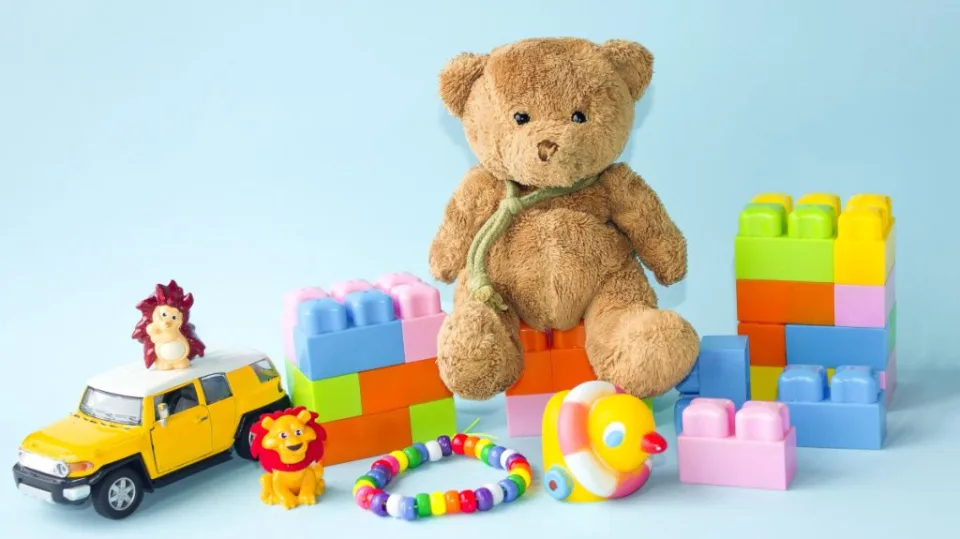
On the other side of the spectrum lies traditional imaginative play. This category includes dolls, action figures, dress-up costumes, kitchen sets, and classic wooden blocks. Unlike STEM toys, these items often lack a specific "goal." Instead, they serve as blank canvases for a child’s imagination.
Why Imaginative Play Remains Essential
- Emotional Intelligence: Through role-playing, children practice empathy and social interaction. They navigate conflicts, simulate real-life scenarios, and express their feelings in a safe environment.
- Language Development: Whether narrating a story for an action figure or "taking orders" in a pretend restaurant, imaginative play is a primary driver for vocabulary expansion.
- Creative Freedom: Without instructions to follow, children are forced to invent their own rules, storylines, and outcomes, which is the cornerstone of creative thinking.
Comparison Table: STEM Toys vs. Imaginative Play
| Feature | STEM Toys | Imaginative Play Sets |
|---|---|---|
| Primary Focus | Logic, mechanics, and problem-solving | Creativity, empathy, and storytelling |
| Structure | High (often includes manuals/goals) | Low (open-ended) |
| Skill Development | Analytical and spatial reasoning | Social, linguistic, and emotional |
| Child Engagement | Focused on task completion | Focused on exploration and narrative |
| Best Age Range | All ages (varies by complexity) | Toddler through early elementary |
Bridging the Gap: Finding the Right Balance
The most effective approach to toy selection is not choosing one category over the other, but rather creating a balanced toy environment. Research suggests that children benefit most when they oscillate between structured learning and unstructured play. A child who spends an hour building a complex structure with a STEM kit is exercising their brain's analytical pathways, while a child who spends the next hour acting out a scene with figurines is exercising their creative and social pathways.
Tips for Curating a Balanced Toy Collection
- Follow the Child's Interest: If a child is naturally drawn to how things work, prioritize STEM sets. If they are natural storytellers, invest in high-quality imaginative play sets.
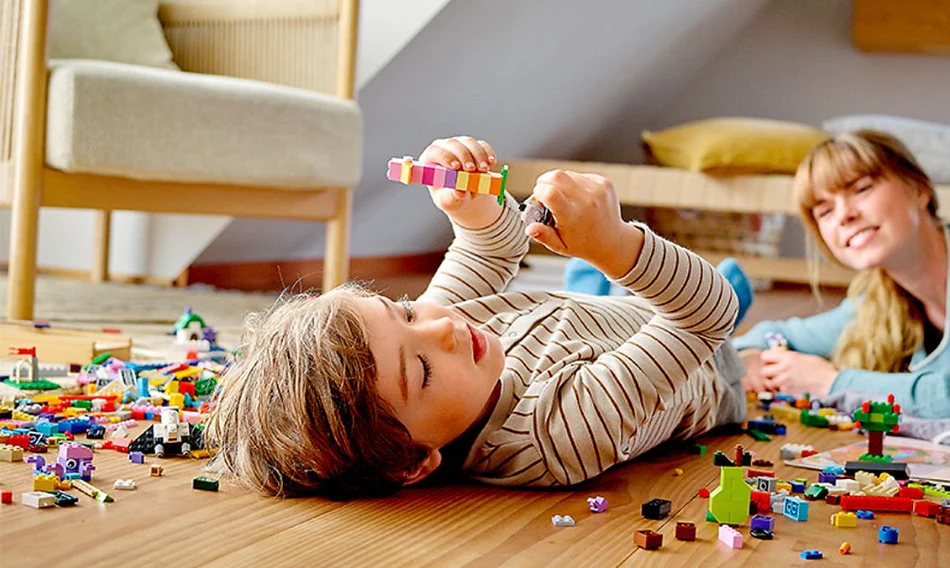
- The "Open-Ended" Rule: Even within STEM, look for toys that allow for multiple outcomes. For example, a set of magnetic tiles is a STEM tool that can also be used for imaginative play (e.g., building a castle for a doll).
- Quality Over Quantity: A smaller collection of high-quality, durable toys is better than a room full of plastic gadgets that break after one use. Focus on materials like wood, high-grade plastic, and sustainable components.
Trends Shaping the Toy Industry in 2024 and Beyond
The toy industry is currently undergoing a shift. We are seeing a "hybridization" of play. Manufacturers are beginning to blend these two categories, creating "Imaginative STEM" toys. For instance, you can now find dolls that come with engineering challenges or kitchen sets that feature basic circuitry for "working" lights and sounds. This trend acknowledges that children do not naturally categorize their play; they simply want to explore.
Sustainable Play
Another major trend is the move toward sustainability. Parents are increasingly opting for toys made from recycled materials or wood sourced from responsibly managed forests. When choosing between STEM and imaginative toys, consider the longevity of the product. A sturdy wooden kitchen set can last for generations, while a complex electronic toy may become obsolete once the technology is surpassed.
How to Choose the Best Toys Based on Developmental Milestones
Age is a significant factor in determining which toys will provide the most value. Here is how you can tailor your selection:
Early Childhood (Ages 0-3)
At this stage, the focus should be on sensory exploration. Simple blocks, soft dolls, and cause-and-effect toys (like push-button music makers) are ideal. Both STEM and imaginative categories overlap here; a simple shape sorter is a basic STEM toy, while a soft animal puppet serves imaginative play.
Preschool Years (Ages 3-5)
Children are beginning to engage in cooperative play. This is the golden age for kitchen sets, dress-up clothes, and simple building sets. Introduce basic STEM concepts through puzzles and pattern-matching games.
Early Elementary (Ages 6-9)
This is when interests begin to specialize. Children may show a clear preference for either the logical challenge of robotics or the narrative depth of role-playing games. Encourage their interests by providing more advanced tools in their preferred category, but continue to offer the other to ensure their skills remain well-rounded.
Conclusion: The Best Toy is the One That Inspires
Ultimately, the comparison between STEM toys and Imaginative Play sets is not about determining which is "better." It is about understanding what each brings to the table. STEM toys build the foundation for technical competence and problem-solving, while imaginative play builds the foundation for social competence and creative expression. By integrating both into a child’s environment, you provide them with the tools they need to navigate a world that requires both intelligence and empathy.
When you head to the toy store or browse online catalogs, look beyond the packaging. Ask yourself: Does this toy encourage my child to think, or does it encourage them to feel? Does it challenge their mind, or does it challenge their imagination? The best toy is one that does both, or at least invites the child to engage with it in a way that is meaningful to their personal growth. Remember, the goal of play is not just to keep a child occupied, but to equip them with the skills to thrive in the world they will one day lead.