Educational Toys vs. Entertainment Toys: Choosing the Best Playtime Experience for Your Child
The toy industry has evolved significantly over the past few decades. As parents and gift-givers, we are often faced with a difficult decision when standing in the aisle of a toy store: should we prioritize a toy that teaches a skill, or one that provides pure, unadulterated fun? The debate between educational toys and entertainment-focused toys is a cornerstone of child development discussions.
Understanding the nuances of these two categories is essential for fostering a healthy play environment. While the lines are increasingly blurring, knowing how to balance your toy selection can have a profound impact on a child's cognitive, emotional, and physical growth. This guide explores the differences, benefits, and best practices for selecting toys that strike the right balance.
Defining the Categories: Educational vs. Entertainment Toys
Before diving into the comparison, it is important to define what we mean by these two categories. While all play is inherently educational, the primary intent behind the design of a toy usually leans toward one of these two poles.
What Are Educational Toys?
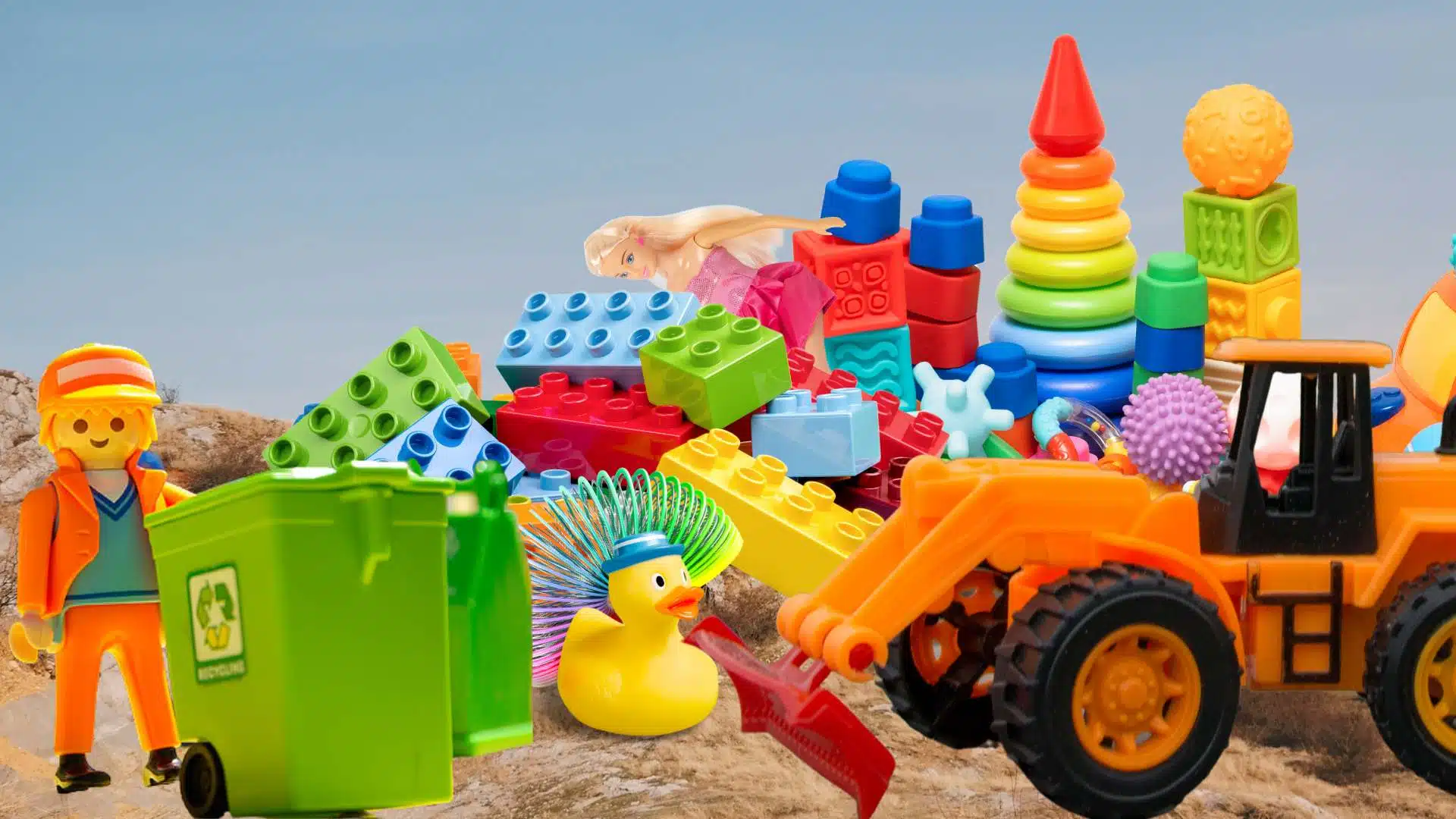
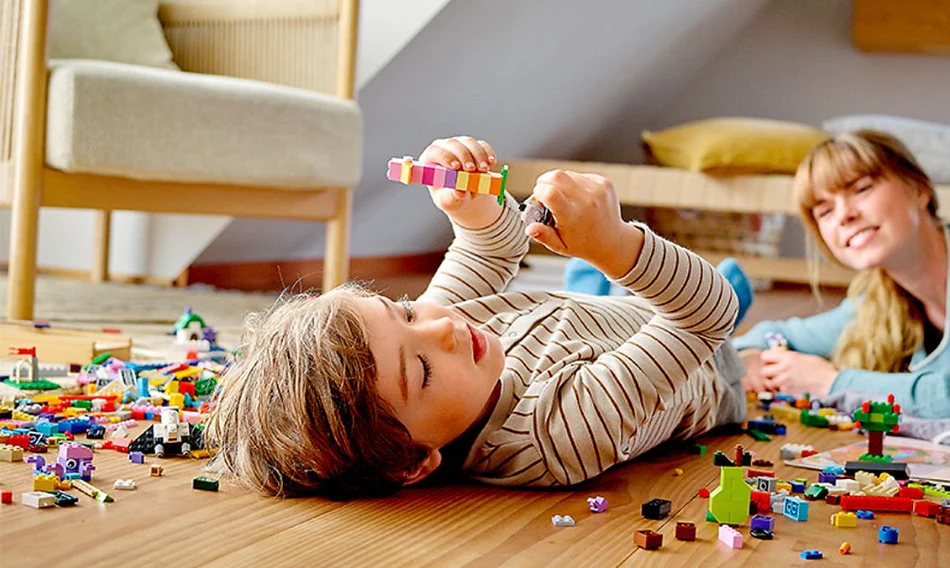
Educational toys, often referred to as "learning toys," are specifically designed to help children develop a particular skill or learn a concept. These toys often target cognitive development, fine motor skills, spatial awareness, or scientific literacy. Examples include building blocks (STEM), logic puzzles, chemistry sets, and interactive language learning devices.
What Are Entertainment Toys?
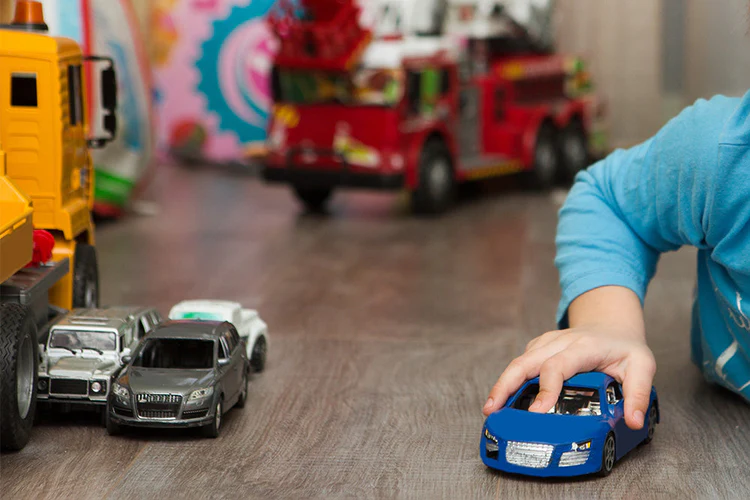
Entertainment toys, or "play-for-fun" toys, are designed primarily to engage a child's imagination and provide enjoyment. Their goal is to offer an immersive experience, whether through role-play, action, or creative storytelling. Examples include action figures, dolls, plushies, board games based on popular media, and remote-controlled vehicles.
Comparison Table: Key Differences at a Glance
| Feature | Educational Toys | Entertainment Toys |
|---|---|---|
| Primary Goal | Skill acquisition and cognitive growth | Engagement, fun, and emotional expression |
| Engagement Style | Structured or problem-solving | Open-ended or fantasy-driven |
| Developmental Focus | Logical, linguistic, or motor skills | Social, emotional, and creative skills |
| Duration of Play | Often task-oriented (shorter bursts) | Often character-oriented (extended role-play) |
| Parental Role | Usually collaborative/guiding | Often observer/facilitator |
The Benefits of Educational Toys
Educational toys are often touted for their long-term benefits. By challenging a child to think critically or manipulate objects in specific ways, these toys lay the groundwork for academic success.
- Cognitive Development: Toys like shape sorters, puzzles, and math-based board games help children develop problem-solving skills and logical reasoning.
- Fine Motor Skills: Activities involving intricate building sets or arts and crafts kits improve hand-eye coordination and dexterity.
- STEM Readiness: Exposure to coding robots or science kits at a young age builds confidence in technical subjects, making these topics less intimidating in a school setting.
- Patience and Persistence: Many educational toys require a trial-and-error approach, teaching children that failure is just a step toward finding the correct solution.
The Benefits of Entertainment Toys
It is a mistake to dismiss entertainment toys as "mindless." In fact, the psychological benefits of pure play are vital for a well-rounded child.
- Creative Expression: When a child plays with action figures or dolls, they are creating narratives. This fosters language skills, empathy, and creative thinking.
- Social and Emotional Learning: Playing with toys that represent characters allows children to process emotions, practice social interactions, and explore different roles in a safe environment.
- Stress Relief: Just as adults need downtime, children need play that does not feel like "work." Entertainment toys provide a healthy escape, reducing anxiety and allowing for self-regulation.
- Imagination Stimulation: Without the rigid "rules" often found in educational kits, entertainment toys allow children to rewrite the script, fostering high levels of creativity.
The "Edutainment" Intersection: The Modern Trend
The most successful toys in today's market are those that bridge the gap between education and entertainment. This trend, often called "edutainment," recognizes that children learn best when they are having fun. For example, a building set that teaches basic engineering principles while allowing the child to build a cool spaceship satisfies both the desire for knowledge and the desire for adventure.
When looking for these "hybrid" toys, look for products that offer:
- High Replay Value: Can the toy be used in multiple ways?
- Open-Ended Potential: Does the toy force a single outcome, or does it invite the child to expand on the concept?
- Interest Alignment: Does the toy relate to a child's current passions, such as animals, space, or building?
How to Choose the Right Toy for Your Child
Choosing between educational and entertainment toys shouldn't be an "either/or" situation. The ideal toy box contains a healthy mix of both. Here are some tips to guide your decision-making process:
1. Consider the Child's Developmental Stage
Toddlers often benefit more from sensory and fine motor educational toys, while older children may crave the complex narratives provided by entertainment toys. Always check the age-appropriateness labels, but also consider your child's individual maturity level.
2. Observe Their Play Style
Does your child prefer to sit and focus on a task, or do they like to run around and act out scenes? If they are naturally inquisitive and love puzzles, lean into high-quality educational toys. If they are highly imaginative and theatrical, prioritize entertainment toys that allow them to explore their creativity.
3. The "30-Minute Rule"
If you are unsure about a toy, consider how long it will hold the child's attention. A toy that is strictly educational might be abandoned if it is too difficult or too boring. A toy that is strictly entertainment might lose its appeal if there is nothing new to discover after the first use. Look for toys that offer a "growth" component—toys that change as the child gets better at using them.
4. Don't Over-Schedule Playtime
Even the best educational toy can become a chore if it is forced upon a child during their downtime. Allow for "unstructured play," where the child chooses the toy. If they choose an entertainment toy, trust that they are gaining valuable social and emotional benefits from that experience.
The Role of Technology in Modern Toys
The rise of digital and smart toys has added a new layer to this comparison. Many parents worry about "screen time," but technology in toys can be a powerful tool when used correctly.
Digital educational toys (like tablets with learning apps) can be highly effective for teaching languages or math, but they often lack the tactile benefits of physical toys. Conversely, smart toys that respond to voice or touch can feel like entertainment, but they often teach children about cause-and-effect and basic programming logic.
When selecting tech-heavy toys, ensure they are interactive rather than passive. A toy that requires the child to participate, think, and react is always superior to one that simply plays a video or song while the child watches.
Conclusion: Achieving Balance in the Toy Box
The goal of selecting toys should not be to turn every moment of play into a classroom session. Children need to develop their intellect, but they also need to develop their hearts, their imaginations, and their ability to simply relax and enjoy themselves.
By incorporating a mix of educational toys that challenge the mind and entertainment toys that fuel the imagination, you provide your child with a comprehensive toolkit for growth. Remember that the best toy is often the one that invites you, the parent, to join in. Whether it’s solving a complex puzzle together or engaging in a pretend-play battle with action figures, the connection you build through play is the most educational and entertaining experience of all.
As you browse the aisles or search online, look for toys that spark curiosity and joy. When in doubt, prioritize the toy that you believe will make your child smile the most—because, at the end of the day, a happy child is a learning child.