Electric Vehicles vs. Internal Combustion Engine Cars: A Comprehensive Comparison for Modern Drivers
The automotive landscape is undergoing a seismic shift. For over a century, the Internal Combustion Engine (ICE) has reigned supreme, powering the world’s mobility with gasoline and diesel. However, the rapid ascent of Electric Vehicles (EVs) has created a complex dilemma for prospective car buyers. Choosing between a traditional gas-powered car and a modern EV is no longer just about personal preference; it involves considering infrastructure, long-term ownership costs, driving dynamics, and environmental impact.
In this guide, we break down the fundamental differences between these two automotive paradigms to help you make an informed decision for your next vehicle purchase.
Understanding the Core Technologies
At the heart of this comparison are two vastly different propulsion systems. Understanding how they function is the first step in determining which vehicle fits your lifestyle.
Internal Combustion Engine (ICE) Vehicles
ICE vehicles rely on the controlled explosion of fuel within an engine block. This mechanical process converts chemical energy into kinetic energy, which is then transmitted to the wheels through a complex drivetrain involving a transmission, driveshaft, and axles. These vehicles have hundreds of moving parts, requiring regular maintenance such as oil changes, spark plug replacements, and exhaust system repairs.
Electric Vehicles (EVs)
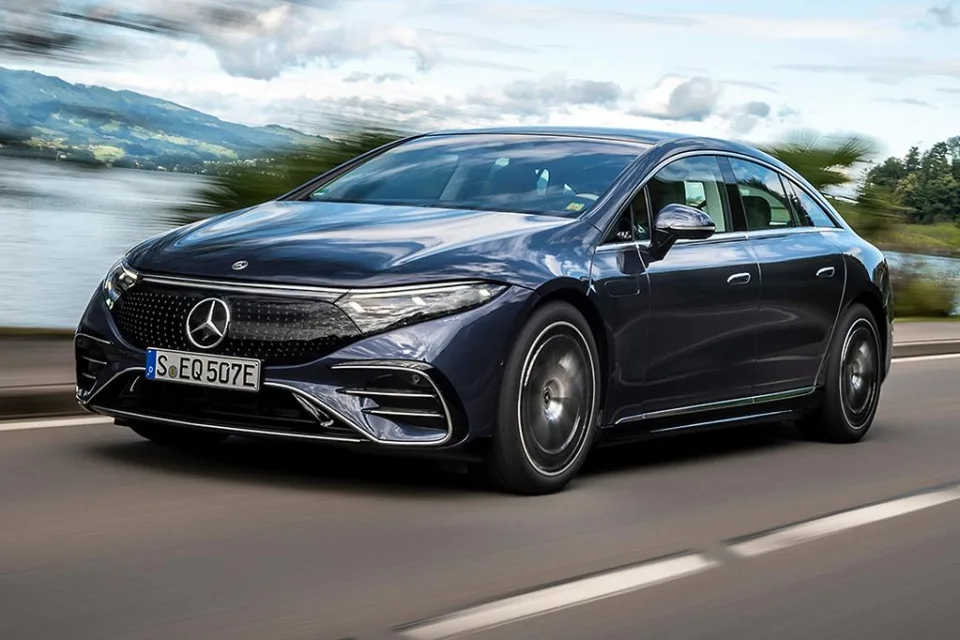
EVs operate on a much simpler principle: electricity stored in a large battery pack powers one or more electric motors. Because electric motors provide instant torque and do not require a multi-gear transmission to manage power bands, the driving experience is characterized by immediate acceleration and a whisper-quiet cabin. With fewer moving parts, the mechanical wear and tear are significantly reduced compared to their combustion counterparts.
Comparison Table: ICE vs. EV at a Glance
| Feature | Internal Combustion Engine (ICE) | Electric Vehicles (EVs) |
|---|---|---|
| Fueling/Charging | Gas stations (3-5 minutes) | Home/Public charging (30 mins - 10 hours) |
| Maintenance Needs | High (Oil, filters, belts, exhaust) | Low (Tires, wipers, brake fluid) |
| Upfront Cost | Generally lower | Generally higher |
| Driving Range | 350–500+ miles per tank | 200–400+ miles per charge |
| Environmental Impact | High tailpipe emissions | Zero tailpipe emissions |
| Refueling Infrastructure | Ubiquitous | Growing, but variable by region |
The Financial Equation: Upfront Cost vs. Total Cost of Ownership
One of the most common misconceptions in the car market is focusing solely on the "sticker price." While EVs often carry a higher MSRP (Manufacturer's Suggested Retail Price) due to the high cost of lithium-ion battery technology, the Total Cost of Ownership (TCO) often tells a different story.
The Case for ICE: Affordability
For budget-conscious buyers, ICE vehicles remain the more accessible entry point. Used car markets are saturated with reliable gas-powered vehicles, and entry-level new models are still cheaper than most electric alternatives. If your primary goal is to minimize initial capital outlay, the internal combustion engine is currently the leader.
The Case for EV: Long-term Savings
EV owners typically save thousands of dollars over the life of the vehicle through:
- Lower "Fuel" Costs: Electricity is consistently cheaper per mile than gasoline, especially when charging at home during off-peak hours.
- Reduced Maintenance: Without the need for oil changes, timing belt replacements, or transmission flushes, the annual service bill for an EV is significantly lower.
- Tax Incentives: Many governments offer tax credits, rebates, and registration fee discounts to incentivize the adoption of electric mobility.
Infrastructure and Convenience: The "Range Anxiety" Factor
The biggest hurdle for EV adoption remains the refueling experience. ICE drivers are accustomed to a network of gas stations that cover almost every corner of the globe. You can fill up in five minutes and continue your journey without a second thought.
EV drivers, conversely, must plan their long-distance travel. While "range anxiety" has decreased significantly as battery technology has improved and charging networks have expanded, it remains a reality for those who live in apartment complexes without home charging or those who frequently travel to rural areas. Before purchasing an EV, you must evaluate your local charging infrastructure using apps that map out public fast-charging stations.
Driving Dynamics and Performance
If you are an enthusiast, the choice between these two categories becomes a matter of taste.
The Soul of the ICE
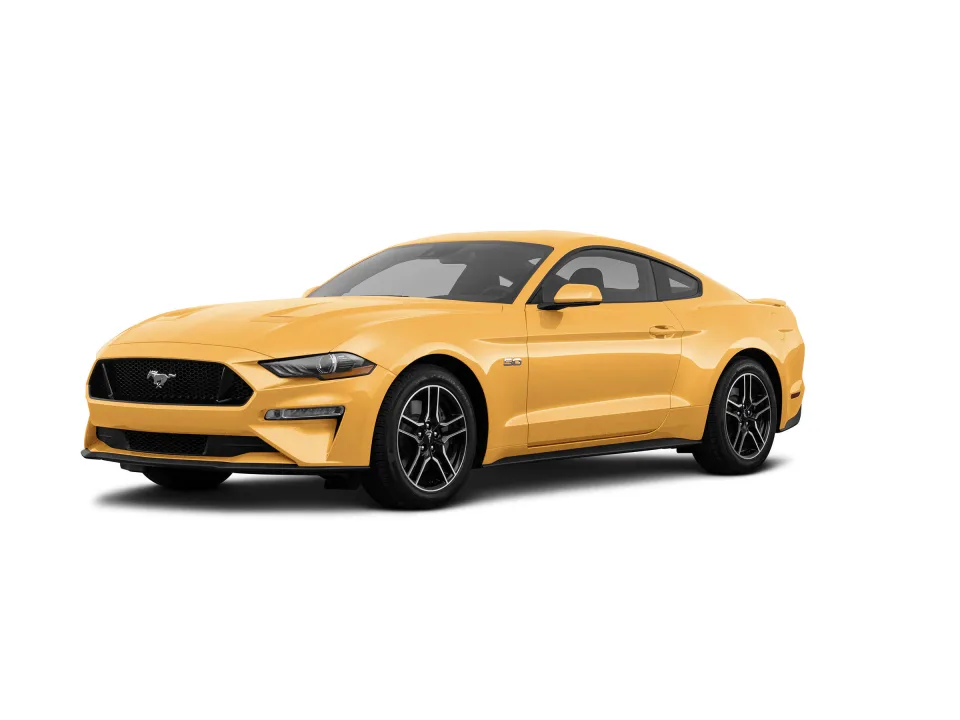
Many drivers prefer the mechanical feedback of a gas engine. The sound of an engine revving, the physical sensation of shifting gears, and the linear power delivery of a naturally aspirated engine offer a visceral connection to the machine that many feel is missing in the electric age.
The Electric Revolution
EVs offer performance that was once reserved for high-end supercars. Because electric motors provide 100% of their torque from a standstill, the acceleration is often jarringly quick. Furthermore, the heavy battery packs are usually mounted in the floor, giving EVs a low center of gravity that improves handling and cornering stability.
Environmental Considerations
It is impossible to discuss the modern car market without addressing the environmental footprint. ICE vehicles contribute directly to greenhouse gas emissions through tailpipe exhaust. Even with advancements in fuel efficiency, they remain a significant source of urban air pollution.
EVs offer a cleaner alternative, especially as the power grid transitions toward renewable energy sources like wind and solar. However, it is important to note that the production of EV batteries is energy-intensive and involves mining rare earth metals. A balanced view acknowledges that while EVs are not perfectly "green" from the factory floor, their lifecycle emissions are drastically lower than those of traditional vehicles.
How to Choose the Right Vehicle for Your Lifestyle
To determine which category is right for you, ask yourself these four critical questions:
- Can I charge at home? If you have a garage or a driveway with access to a power outlet, an EV is incredibly convenient. If you rely on street parking, the logistics of EV ownership become significantly more difficult.
- What is my daily commute? If you drive less than 100 miles a day, almost any modern EV will cover your needs with ease. If you frequently drive long distances across rural areas, an ICE vehicle or a Plug-in Hybrid (PHEV) might be more practical.
- How long do I plan to keep the car? If you are looking for a vehicle to keep for 10+ years, the lower maintenance requirements of an EV make it a compelling investment.
- What is my budget? Consider the "all-in" cost. Use an online calculator to compare the monthly payment of an EV against the combined cost of the monthly payment and fuel/maintenance for an ICE car.
The Future: Is the ICE Dying?
While the automotive industry is clearly trending toward electrification, the Internal Combustion Engine is not disappearing overnight. We are seeing a rise in "bridge" technologies, such as Hybrid Electric Vehicles (HEVs) and Plug-in Hybrids (PHEVs), which combine the efficiency of electric motors with the long-range convenience of gas engines.
Furthermore, synthetic fuels (e-fuels) are being developed to allow existing ICE engines to run with a much lower carbon footprint. This suggests that while the mass market will likely become electric, the combustion engine may persist in specialized, performance, and long-haul applications for decades to come.
Final Thoughts
There is no "better" car in the abstract; there is only the right car for your specific set of circumstances. The EV represents the future of technology, offering a seamless, low-maintenance, and eco-friendly driving experience for those with the infrastructure to support it. The ICE vehicle represents a refined, reliable, and universally accessible solution for those who prioritize flexibility and lower upfront costs.
As you shop for your next vehicle, prioritize test-driving both types. Pay attention to how the power delivery feels, how the infotainment systems integrate with your phone, and most importantly, how the vehicle fits into your daily routine. By carefully weighing the pros and cons outlined in this guide, you will be well-equipped to choose a vehicle that serves your needs for years to come.