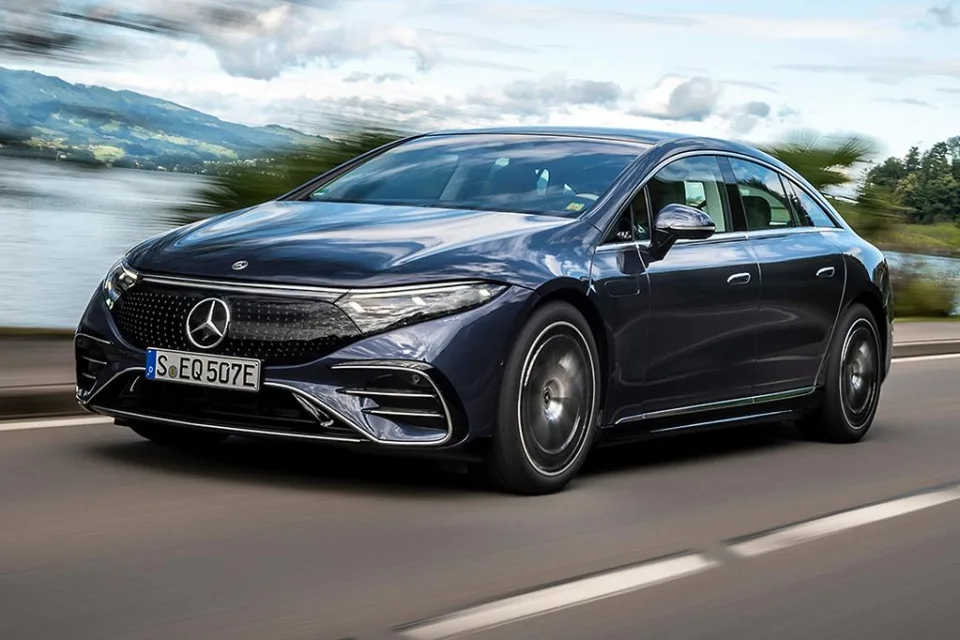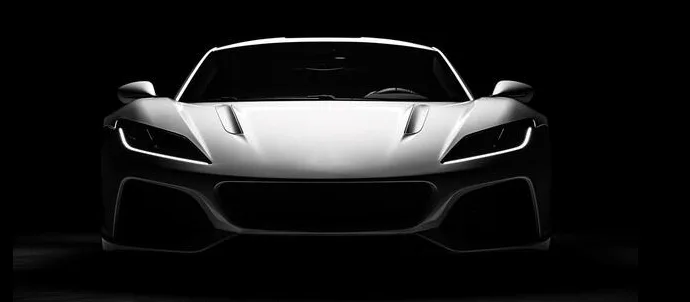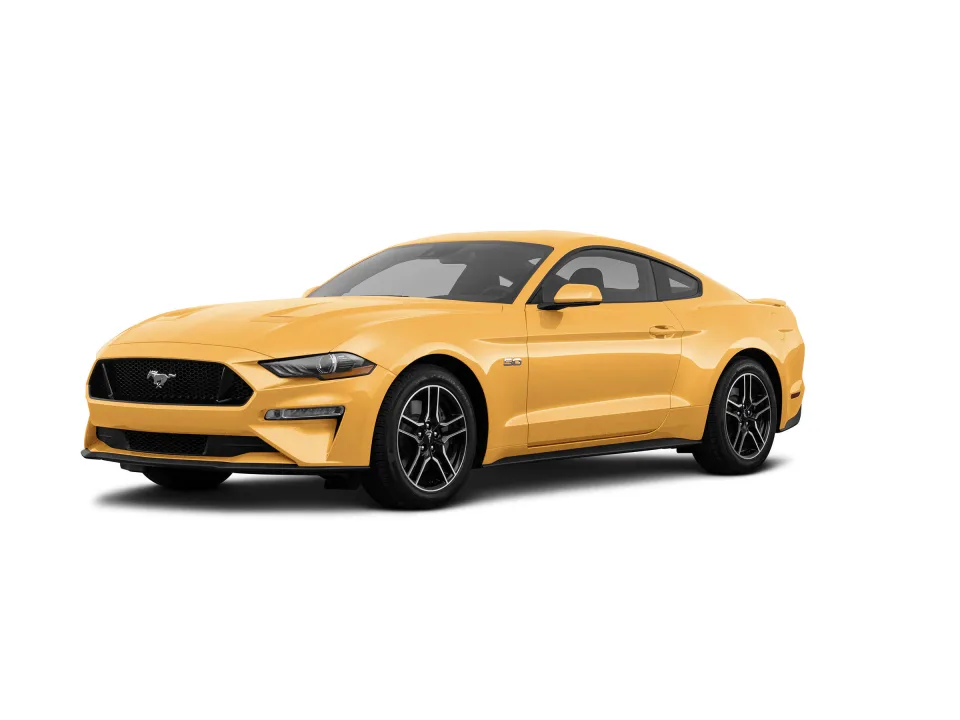
Electric Vehicles vs. Internal Combustion Engine Cars: A Comprehensive Comparison for Modern Drivers
The automotive industry is currently undergoing its most significant transformation since the invention of the assembly line. As drivers look toward the future, the debate between Electric Vehicles (EVs) and Internal Combustion Engine (ICE) cars—those powered by gasoline or diesel—has become the central focus of every prospective car buyer. Choosing between these two technologies is no longer just about personal preference; it involves considering long-term costs, environmental impact, infrastructure, and driving dynamics.
In this guide, we will break down the fundamental differences between EVs and ICE vehicles to help you determine which powertrain best suits your lifestyle, budget, and driving habits.
Understanding the Core Technologies
To make an informed decision, it is essential to understand how these two systems function. An Internal Combustion Engine vehicle relies on the controlled explosion of fuel within an engine block to generate kinetic energy. This process involves hundreds of moving parts, including pistons, valves, transmissions, and exhaust systems.
Conversely, an Electric Vehicle uses a battery pack to store electricity, which powers one or more electric motors. Because electric motors have fewer moving parts, they are mechanically simpler. This fundamental difference in engineering ripples out into every aspect of ownership, from maintenance schedules to the overall driving experience.
Comparison Table: EV vs. ICE Vehicles
| Feature | Electric Vehicles (EV) | ICE Vehicles (Gas/Diesel) |
|---|---|---|
| Fueling/Charging | Home charging or public stations | Gas stations (quick refueling) |
| Maintenance | Minimal (no oil changes, fewer parts) | Frequent (oil, filters, belts, spark plugs) |
| Upfront Cost | Generally higher | Generally lower |
| Driving Experience | Instant torque, quiet, smooth | Engine noise, gradual power delivery |
| Range/Refueling Time | Varies (requires planning for long trips) | Excellent range, fast refueling |
Total Cost of Ownership: Beyond the Sticker Price
One of the most common mistakes buyers make is focusing solely on the Manufacturer's Suggested Retail Price (MSRP). While ICE vehicles often have a lower initial purchase price, the total cost of ownership (TCO) tells a different story.
Maintenance Savings
EVs are significantly cheaper to maintain. Without an engine, there is no need for oil changes, timing belt replacements, spark plug swaps, or complex exhaust system repairs. Regenerative braking also reduces the wear and tear on brake pads, as the electric motor does most of the work to slow the vehicle down. Over a ten-year period, the savings on maintenance for an EV can reach thousands of dollars.
Energy Costs
Electricity is almost universally cheaper per mile than gasoline. However, your savings depend heavily on local electricity rates and how you charge. Charging at home during off-peak hours provides the highest cost efficiency, whereas relying exclusively on high-speed public DC fast chargers can narrow the gap between electricity and fuel costs.
The Driving Experience: Torque vs. Tradition
The driving dynamics of an EV are distinct from those of a gas-powered car. Electric motors provide "instant torque," meaning the vehicle accelerates immediately when you press the pedal. This makes EVs feel incredibly responsive and agile, especially in city traffic.
ICE vehicles offer a different kind of engagement. Enthusiasts often prefer the auditory feedback of a combustion engine—the roar of the exhaust and the physical sensation of gear shifts. For those who enjoy the mechanical complexity and the "soul" of a traditional engine, ICE vehicles remain the preferred choice. Furthermore, manual transmission enthusiasts will find that the stick-shift experience is almost exclusively available in the ICE category.
Range Anxiety and Infrastructure
For many potential buyers, "range anxiety"—the fear of running out of power before reaching a charging station—remains the biggest hurdle for EVs. While modern EVs now offer ranges exceeding 300 miles on a single charge, the refueling process remains fundamentally different.
Refueling Speed
Filling an ICE vehicle takes roughly five minutes. In contrast, even the fastest EV chargers take 20 to 40 minutes to reach an 80% charge. If you frequently drive long distances across rural areas where charging infrastructure is sparse, an ICE vehicle or a Plug-in Hybrid (PHEV) might be a more practical choice for your current needs.
Home Charging Advantage
If you have access to a garage or driveway where you can install a Level 2 charger, the "inconvenience" of charging largely disappears. You wake up every morning with a "full tank," effectively eliminating the need to visit a gas station. For many urban and suburban dwellers, this convenience outweighs the occasional longer charging time on road trips.
Environmental Impact and Sustainability
The environmental debate is nuanced. While EVs produce zero tailpipe emissions, the production of lithium-ion batteries is resource-intensive and involves mining rare earth minerals. However, life-cycle assessments consistently show that over the lifetime of the vehicle, EVs produce significantly fewer greenhouse gas emissions than ICE vehicles, especially as the electrical grid shifts toward renewable energy sources like wind and solar.
ICE vehicles, regardless of efficiency improvements, will always emit carbon dioxide and other pollutants during operation. For buyers prioritizing their carbon footprint, the EV is the clear winner.
Choosing the Right Vehicle for Your Lifestyle
To determine which category is right for you, consider the following three scenarios:
The Daily Commuter
If you have a predictable daily commute and the ability to charge at home, an EV is likely the superior choice. You will save money on fuel, spend less time at service centers, and enjoy a quieter, smoother commute.
The Long-Distance Traveler
If your lifestyle involves frequent long-haul trips through areas with limited charging infrastructure, an ICE vehicle or a hybrid is still the more reliable option. It provides the peace of mind that you can refuel anywhere within minutes.
The Performance Enthusiast
If you value the tactile sensation of a combustion engine, the sound of the exhaust, and the ability to work on your own car, the ICE market offers a level of mechanical involvement that EVs simply cannot replicate. Conversely, if you prioritize raw acceleration and modern technology, high-performance EVs are currently setting new benchmarks for speed.
Future Trends: What to Expect
The automotive landscape is not static. We are seeing a rapid rise in Hybrid technology, which acts as a bridge between the two worlds. Plug-in Hybrids (PHEVs) allow drivers to use electric power for daily errands while retaining a gas engine for longer journeys, offering the best of both worlds.
Simultaneously, solid-state battery technology is on the horizon, promising to double the range of EVs while drastically reducing charging times. As battery technology improves and the public charging network expands, the barriers to EV adoption are falling, making the choice between EV and ICE increasingly tilted toward electrification.
Conclusion: Making Your Final Decision
There is no "better" car in a vacuum; there is only the car that is better for *you*. If you prioritize low maintenance costs, environmental sustainability, and have the ability to charge at home, an EV is a fantastic investment that aligns with the future of transportation.
If, however, you live in an area with poor infrastructure, require the flexibility of rapid refueling at all times, or simply love the traditional mechanical feel of a combustion engine, there is no shame in sticking with an ICE vehicle. The key is to analyze your specific driving habits rather than following general trends. By weighing the upfront costs against long-term savings and assessing your local infrastructure, you can make a choice that will keep you satisfied on the road for years to come.
As the automotive world continues to evolve, staying informed is your best tool. Whether you choose the quiet efficiency of an electric motor or the reliable power of a combustion engine, ensure that your choice supports your unique needs as a driver.