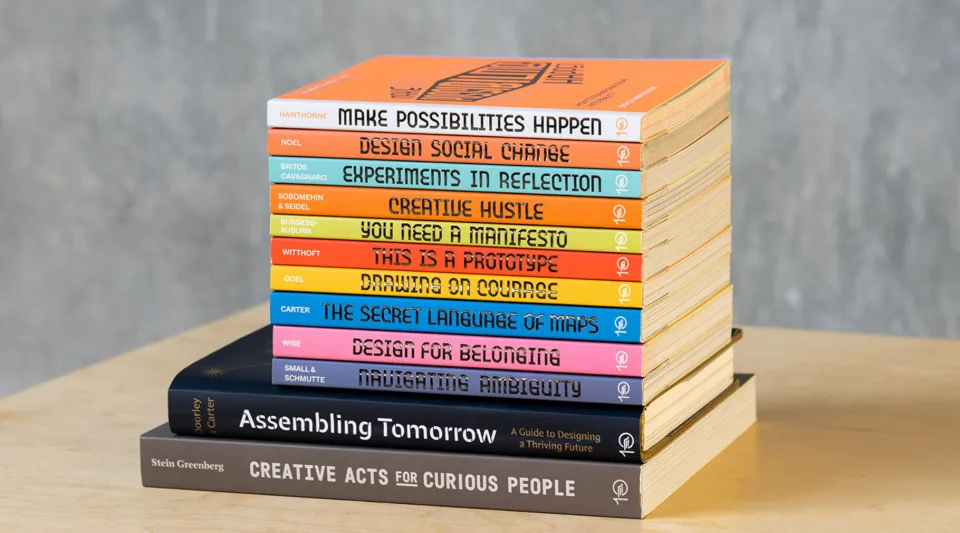
Physical Books vs. E-Books vs. Audiobooks: The Ultimate Reading Format Comparison Guide
For centuries, the act of reading remained virtually unchanged. A reader sat down with a volume of bound paper, turned the pages sequentially, and immersed themselves in the written word. However, the digital revolution has fundamentally transformed the literary landscape. Today, book lovers are no longer restricted to physical print. The rise of e-books and the explosive popularity of audiobooks have created a diverse ecosystem of reading formats.
Each of these formats—physical books, e-books, and audiobooks—offers a distinct way to experience literature. Whether you are a lifelong bibliophile who treasures the smell of paper, a tech-savvy minimalist who values convenience, or a busy professional who consumes stories on the go, choosing the right format can significantly impact your comprehension, retention, and overall enjoyment. This comprehensive guide provides an in-depth comparison of these three primary reading mediums to help you optimize your personal reading journey.
Understanding the Formats: Definitions and Overview
Before diving into the direct comparison, it is essential to define what makes each format unique and how they have evolved to serve modern readers.
Physical Books (Paperback & Hardcover)
The traditional print book is a tactile masterpiece of design and engineering. Available primarily as durable hardcovers or flexible, lightweight paperbacks, physical books require no power source, internet connection, or digital interface. They represent the historical standard of literacy, relying entirely on ink on paper to convey ideas.
E-Books (Electronic Books)
E-books are digital files displayed on electronic screens. While they can be read on smartphones, tablets, and computers, they are best experienced on dedicated e-readers utilizing electronic ink (E-ink) technology. This technology mimics the appearance of ordinary ink on paper, drastically reducing glare and eye strain compared to traditional LCD or OLED screens.
Audiobooks (Audio Recordings)
Audiobooks shift the literary experience from visual to auditory. These are spoken-word recordings of a book's text, often narrated by professional voice actors, authors, or full casts. Once distributed on vinyl, cassettes, and CDs, modern audiobooks are primarily streamed or downloaded via mobile applications, making them highly accessible on smartphones and smart speakers.
Head-to-Head Comparison: Key Decision Factors
To determine which format reigns supreme, we must evaluate them across several critical categories that influence how we select, purchase, and consume books.
1. Reading Experience and Sensory Engagement
The sensory experience of reading is one of the most subjective yet crucial aspects of choosing a format.
- Physical Books: Print books offer an unparalleled multisensory experience. The texture of the paper, the weight of the volume in your hands, the audible whisper of turning pages, and even the distinct scent of paper and ink (often referred to as "bibliosmia") create a deep emotional connection to the text. Physical books also provide a clear spatial map; readers instinctively remember where a passage was located on a page or how far they are through the physical thickness of the volume.
- E-Books: E-books sacrifice sensory variety for customization. While holding a plastic and glass device lacks the romanticism of paper, e-readers allow users to adjust font styles, text sizes, line spacing, and background lighting. This customization makes reading accessible to individuals with visual impairments or conditions like dyslexia. However, the spatial mapping is lost, as every page looks identical on a digital screen.
- Audiobooks: Audiobooks transform reading into a performative art. A skilled narrator can breathe life into characters, employ distinct accents, and convey emotional nuances that a reader might overlook on the page. Some audiobooks even feature sound effects and musical scores, creating an immersive, theater-like experience. Conversely, a poor narrator can ruin an otherwise excellent book, and listeners lose the ability to interpret the tone and cadence of the prose entirely on their own.
2. Portability, Convenience, and Storage
How we integrate books into our physical spaces and daily routines is a major practical consideration.
- Physical Books: Print books are bulky and heavy. Packing more than two or three books for a long trip requires significant luggage space. Furthermore, physical book collections demand physical real estate. A growing library requires bookshelves, dust control, and climate management to prevent deterioration, making them less ideal for minimalists or those living in compact spaces.
- E-Books: In terms of physical portability, e-books are unmatched. A single lightweight e-reader can store thousands of books, allowing you to carry an entire library in your pocket or backpack. Purchasing a new book is instantaneous; you can download a title in seconds from anywhere with an internet connection, eliminating the need to visit a bookstore or wait for a delivery.
- Audiobooks: Audiobooks offer the ultimate hands-free convenience. Because they reside on devices you already carry (like your smartphone), they require zero extra physical space. More importantly, audiobooks allow for multitasking. You can "read" while driving, doing household chores, exercising, or walking the dog—activities where holding a physical book or looking at a screen is impossible.
3. Comprehension, Retention, and Focus
How our brains process information varies significantly depending on the medium we use to consume it.
- Physical Books: Numerous cognitive studies suggest that reading physical print leads to superior comprehension and memory retention, particularly for long-form narrative and complex informational texts. The tactile feedback of turning pages helps the brain build a cognitive map of the text, making it easier to recall details and follow complex arguments. Additionally, physical books present zero digital distractions, allowing for deep, uninterrupted focus.
- E-Books: While e-books are excellent for casual reading, studies show that comprehension can slightly decline when reading on screens. Readers tend to skim digital text faster and more superficially. Furthermore, if you are reading on a tablet or smartphone, the constant temptation of notifications, social media, and web browsing can severely disrupt cognitive focus. Dedicated E-ink e-readers mitigate this distraction but still lack the physical spatial cues of paper.
- Audiobooks: The cognitive processing of audiobooks is highly dependent on the listener's attention. While the brain processes narrative information similarly whether read or heard, audiobooks are highly susceptible to "mind-wandering." Because we often listen to audiobooks while performing other tasks, it is easy to miss critical details, requiring frequent rewinding. However, for auditory learners, audiobooks can actually enhance comprehension and emotional resonance.
4. Cost, Accessibility, and Longevity
Financial investment and long-term ownership dynamics differ wildly across these formats.
- Physical Books: Print books have a higher average upfront cost per title, especially hardcovers. However, they possess immense long-term value. A physical book is a durable asset; you truly own it. You can lend it to a friend, sell it to a used bookstore, donate it to a library, or pass it down through generations. It requires no software updates, accounts, or battery charges to remain functional decades down the line.
- E-Books: Individual e-books are generally cheaper than their print counterparts. However, there is an initial investment required to purchase a dedicated e-reader. It is also crucial to understand that when you buy an e-book, you are usually purchasing a license to view the content, not physical ownership of the file. You cannot easily resell, donate, or lend e-books to friends (outside of restricted ecosystem sharing features), and digital rights management (DRM) restrictions can occasionally lead to titles being removed from your digital library.
- Audiobooks: Audiobooks are traditionally the most expensive format to purchase individually due to high production costs. To combat this, most audiobook consumers rely on monthly subscription models that offer credits for titles, which can be highly cost-effective for heavy consumers. Like e-books, you do not own a physical asset, and access is tied to digital platforms and active accounts.
5. Health, Eye Strain, and Sleep Impact
Our physical well-being during and after reading is an increasingly important factor in our screen-saturated world.
- Physical Books: Reading print books under proper lighting conditions is highly gentle on the eyes. Because paper does not emit light, it does not cause the screen fatigue associated with digital devices. Reading a physical book before bed is widely recommended by sleep experts, as it helps wind down the nervous system without interfering with natural sleep cycles.
- E-Books: Reading on smartphones, tablets, or backlit laptops exposes the eyes to blue light, which can cause digital eye strain, headaches, and suppress melatonin production, disrupting sleep patterns if used at night. Dedicated E-ink e-readers with front-lit, adjustable warm lights are vastly superior, offering a paper-like viewing experience that minimizes eye fatigue and is safe for nighttime reading.
- Audiobooks: Audiobooks are completely screen-free, making them an excellent alternative for resting tired eyes after a long workday spent looking at computers. Listening to an audiobook with a sleep timer is a popular way to fall asleep. However, using headphones or earbuds for extended periods at high volumes can lead to ear fatigue or hearing damage, so proper volume management is essential.
6. Environmental Footprint
For environmentally conscious readers, the ecological impact of their reading habits is an important consideration.
- Physical Books: The production of print books requires paper, ink, and adhesives, contributing to deforestation and chemical waste. Furthermore, physical books must be packaged, shipped, and distributed globally, creating a substantial carbon footprint. However, paper is a renewable resource, books are highly recyclable, and a single book can be read by dozens of people over its lifespan without requiring any energy consumption.
- E-Books and Audiobooks: Digital reading eliminates paper waste, printing chemicals, and shipping emissions. However, the manufacturing of electronic devices (e-readers, tablets, smartphones) involves mining rare earth elements and produces significant electronic waste (e-waste) at the end of their lifecycles. Additionally, storing massive digital libraries on cloud servers requires continuous, energy-intensive data center operations. For a digital device to be more eco-friendly than print, a reader must use it to read dozens of books over several years to offset its initial manufacturing footprint.
Comparative Analysis Table
The table below summarizes the key differences, strengths, and weaknesses of each reading format to help you make an informed choice at a glance.
| Feature / Criteria | Physical Books | E-Books | Audiobooks |
|---|---|---|---|
| Sensory Experience | High tactile, visual, and olfactory engagement. | Low tactile variety; highly customizable text display. | Auditory engagement; relies on narration quality. |
| Portability | Low; heavy and bulky to transport in quantities. | Excellent; thousands of books on one lightweight device. | Excellent; stored on existing mobile devices. |
| Comprehension & Retention | High; excellent spatial mapping and minimal distractions. | Moderate; tendency to skim; potential digital distractions. | Variable; depends heavily on focus and multitasking levels. |
| Upfront Cost | Moderate to High per book. | Low to Moderate (requires device investment). | High per book (often mitigated by subscriptions). |
| Ownership & Sharing | True ownership; easy to share, resell, or donate. | Licensed content; limited sharing; cannot resell. | Licensed content; restricted sharing within platforms. |
| Eye Strain | None (under proper external lighting). | Low on E-ink devices; High on LCD/OLED screens. | None (completely screen-free). |
| Multitasking | Impossible; requires hands and eyes. | Impossible; requires hands and eyes. | Excellent; perfect for hands-free activities. |
| Eco-Impact | High paper/shipping footprint; recyclable and long-lasting. | High device manufacturing footprint; low ongoing footprint. | Low physical footprint; relies on data center energy. |
Which Format is Best for Different Types of Readers?
Because no single format is universally superior, the best choice depends entirely on your lifestyle, learning style, and personal preferences. Here is how the formats align with different reader profiles.
The Commuter and Multi-tasker
If your schedule is packed and your only free time is spent driving, riding public transit, cooking, or working out, audiobooks are your ideal companion. They turn otherwise unproductive transition times into opportunities to enjoy great literature without needing to carve out dedicated sit-down reading hours.
The Minimalist and Frequent Traveler
If you love to travel light, move frequently, or live in a minimalist space without room for heavy bookshelves, e-books are the perfect solution. A single e-reader fits easily into a carry-on bag, provides built-in lighting for dark flights, and gives you instant access to a massive library without adding physical clutter to your life.
The Student and Academic Researcher
For deep study, dense non-fiction, textbooks, and academic research, physical books remain the gold standard. The ability to quickly flip back and forth between pages, write physical margin notes, highlight passages, and visually map out complex information makes print books highly superior for rigorous intellectual work.
The Collector and Traditionalist
If you view books not just as information carriers but as art objects, home decor, and personal treasures, physical books are irreplaceable. Building a personal library, displaying beautifully designed hardcovers, and browsing independent bookstores are experiences that digital formats simply cannot replicate.
Hybrid Reading: How to Combine Formats for the Ultimate Book Experience
You do not have to limit yourself to just one format. In fact, many modern book lovers practice "hybrid reading," strategically choosing the format that best fits their immediate environment and the specific genre they are consuming.
For example, you might keep a beautiful hardcover of a dense historical biography on your nightstand for focused evening reading. During your morning commute, you can listen to the audiobook version of the same title, utilizing digital syncing features that allow you to pick up exactly where you left off. Meanwhile, you can keep a lightweight e-reader in your bag loaded with light fiction or mystery novels for quick reads during lunch breaks or doctor's office waiting rooms.
By embracing all three formats, you can maximize your annual book consumption, support the publishing industry across different mediums, and ensure that a great story is always within reach, no matter where life takes you.
Conclusion
The debate between physical books, e-books, and audiobooks is not a battle with a single winner. Instead, it is a celebration of choice. Technology has not destroyed the traditional book; it has liberated it, offering diverse pathways to access the world's collective knowledge and imagination. By understanding the unique cognitive, physical, and practical benefits of each format, you can curate a personalized reading routine that enhances your intellect, fits your lifestyle, and keeps the joy of reading alive for years to come.