Physical Books vs. E-books vs. Audiobooks: Which Reading Format Reigns Supreme?
In the digital age, the way we consume literature has undergone a seismic shift. For centuries, the printed page was the undisputed king of storytelling. Today, however, readers are presented with a triad of options: the tactile charm of physical books, the portable convenience of e-books, and the immersive, hands-free experience of audiobooks. Choosing between them isn't just a matter of preference; it involves considering your lifestyle, reading goals, and cognitive habits.
This comprehensive comparison explores the nuances of each format to help you decide which one deserves a spot in your daily routine.
1. Physical Books: The Timeless Classic
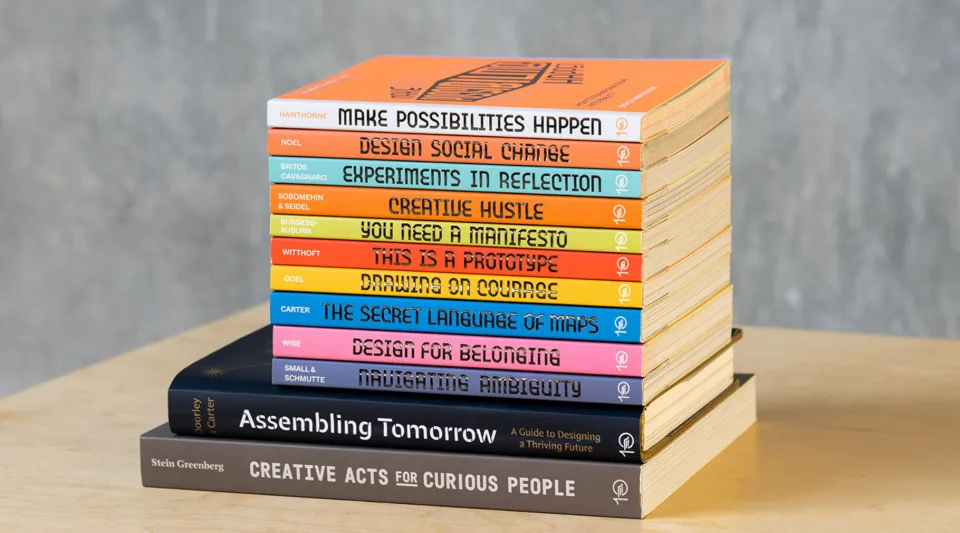
There is a sensory experience associated with physical books that technology has yet to replicate. The smell of paper, the texture of the pages, and the satisfaction of seeing a growing stack on your shelf are cornerstones of the bibliophile lifestyle.
The Advantages of Print
- Reduced Eye Strain: Unlike digital screens, paper does not emit blue light, making it the superior choice for late-night reading sessions that won't disrupt your sleep cycle.
- Cognitive Retention: Studies suggest that the physical act of turning pages and the spatial layout of a book help the brain map information better, often leading to improved comprehension and memory retention.
- Digital Detox: Reading a physical book allows you to disconnect from the constant ping of notifications, emails, and social media, providing a true escape.
The Drawbacks
Physical books are heavy, take up significant space, and are not ideal for travelers. Furthermore, they can be more expensive to purchase new and lack the instant accessibility of digital downloads.
2. E-books: The Modern Reader’s Library
E-books revolutionized the industry by putting thousands of titles into a device thinner than a magazine. They are the ultimate solution for those who value efficiency and portability above all else.
Why Choose E-books?
- Unmatched Portability: Carry your entire library in your pocket. Whether you are commuting, traveling, or waiting in line, you have access to every book you own.
- Instant Gratification: Finished a book at 2:00 AM? You can download the sequel immediately without waiting for shipping or visiting a store.
- Customization: E-readers allow you to adjust font size, style, and screen brightness, making them highly accessible for readers with visual impairments.
The Downsides
The primary critique of e-books is the reliance on battery life and the potential for distraction if reading on a multi-purpose tablet rather than a dedicated e-ink device. Additionally, there is a lack of "shelf presence," which some readers find makes them feel less connected to the books they have finished.
3. Audiobooks: Literature on the Go
Audiobooks are the fastest-growing segment in the publishing world. They have transformed "dead time"—like commuting, exercising, or doing household chores—into productive learning or entertainment sessions.
The Benefits of Listening
- Multitasking Mastery: You can consume literature while doing things that don't require heavy cognitive load, such as driving, cooking, or gardening.
- Performance Art: A high-quality narrator can bring a story to life in ways text cannot. Professional voice acting adds emotional depth, accents, and pacing that enhance the listener's experience.
- Accessibility: Audiobooks are a game-changer for those with dyslexia or other reading-related learning differences, allowing them to engage with complex narratives without the barrier of decoding text.
The Downsides
Listening requires a different type of focus. If your mind wanders, you may miss entire chapters, and "re-reading" a specific passage to analyze a quote is much more difficult with an audio file than with a physical book.
Comparison Table: Quick Reference Guide
| Feature | Physical Books | E-books | Audiobooks |
|---|---|---|---|
| Portability | Low | High | High |
| Eye Strain | None | Minimal (with E-ink) | None |
| Retention | Excellent | Good | Variable |
| Accessibility | Limited | Excellent | Excellent |
| Multitasking | No | No | Yes |
How to Choose the Right Format for Your Needs
The "best" format depends entirely on the context of your reading. Many successful readers adopt a hybrid approach, utilizing different formats for different situations.
When to Choose Physical Books
Reserve physical books for books that require deep focus, such as non-fiction, academic texts, or beautiful coffee-table editions. They are also the best choice for bedtime reading to help you wind down without screen interference.
When to Choose E-books
E-books are perfect for fiction series, particularly long fantasy or sci-fi novels where the physical weight of the book might be cumbersome. They are also ideal for travelers who don't want to choose between three different books for a week-long trip.
When to Choose Audiobooks
Audiobooks excel during routine tasks. Use them for memoirs, biographies, or light fiction while you are at the gym or commuting. They are also fantastic for "re-reading" your favorite books, as hearing the story again can provide a fresh perspective.
Trends Shaping the Future of Reading
The book industry is currently seeing a trend toward "format fluidity." Publishers are increasingly releasing titles simultaneously in all three formats. Furthermore, there is a rising interest in "Whispersync" or immersion reading, where users can switch seamlessly between reading an e-book and listening to the audiobook version, picking up exactly where they left off.
As AI technology advances, we are also seeing improvements in synthetic narration for audiobooks, making more titles available in audio format at a faster rate. However, the premium experience of human-narrated audiobooks remains a gold standard for literary fiction.
Conclusion: The Best Reader is a Versatile Reader
There is no reason to pledge allegiance to a single format. The beauty of modern literature is that you can adapt your reading style to your environment. By understanding the unique strengths of physical books, e-books, and audiobooks, you can optimize your reading time, improve your retention, and ultimately enjoy more books throughout the year.
Whether you are curled up with a hardcover, scrolling through a chapter on your e-reader, or listening to a thriller on your commute, the goal remains the same: to engage with ideas, escape into new worlds, and continue the lifelong journey of learning. Don't be afraid to mix and match until you find the perfect balance for your personal library.