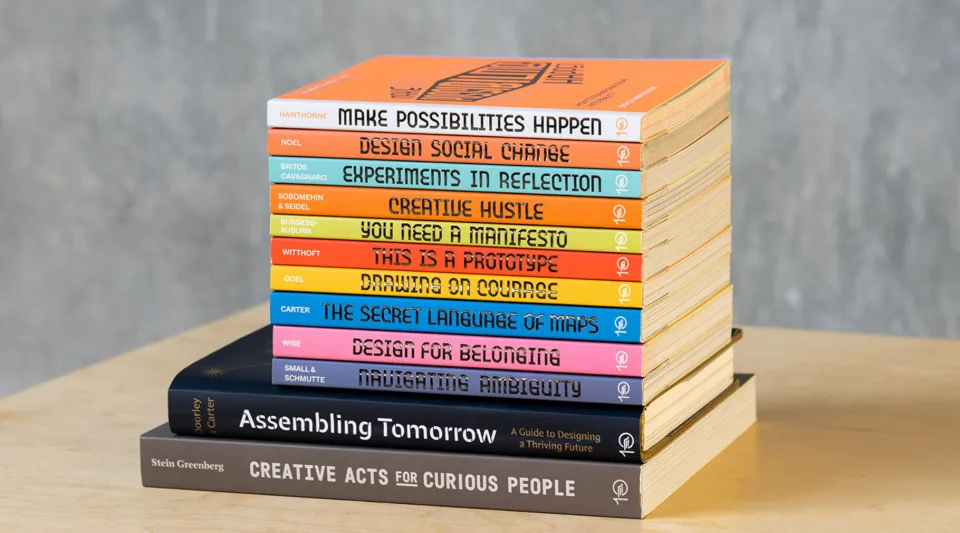
Physical Books vs. E-books vs. Audiobooks: Which Reading Format Reigns Supreme?
In the modern era, the way we consume literature has undergone a seismic shift. Gone are the days when a reader’s only choice was the traditional printed page. Today, bibliophiles are faced with a trifecta of options: the classic physical book, the sleek e-reader, and the immersive audiobook. Each format offers a unique experience, catering to different lifestyles, cognitive needs, and personal preferences. But how do you decide which medium deserves your time and money? In this comprehensive guide, we compare these three formats to help you determine which one fits your reading habits best.
The Case for Physical Books: The Tactile Experience
For many, a book is more than just a vessel for information; it is a physical object that engages the senses. Physical books—hardcovers and paperbacks—remain the gold standard for many collectors and casual readers alike.
The Benefits of Print
- Reduced Screen Time: In a world where we are constantly tethered to smartphones and laptops, physical books offer a necessary "analog" escape. They provide a respite from blue light, helping to reduce eye strain and improve sleep quality before bedtime.
- Spatial Memory: Research suggests that reading on paper helps with information retention. The physical act of turning pages and knowing exactly where you are in a book (the thickness of pages on the left vs. the right) provides a spatial map that aids in memory recall.
- The Aesthetic Appeal: A well-curated bookshelf serves as both a personal archive and a piece of home decor. There is an undeniable satisfaction in displaying books that have shaped your perspective.
The Drawbacks
The primary downsides to physical books are weight and space. Carrying a 500-page hardcover is cumbersome, and for those living in smaller spaces, building a personal library can quickly become an exercise in clutter management.
E-books: Portability and Convenience
E-readers like the Kindle, Kobo, or even tablet apps have revolutionized reading by making entire libraries accessible from a device that weighs less than a single magazine. For the frequent traveler or the avid commuter, e-books are a game-changer.
Why Readers Choose E-books
- Portability: You can carry thousands of books in your pocket. This is ideal for vacations, long commutes, or simply having a variety of genres at your fingertips depending on your mood.
- Customization: E-readers allow you to adjust font size, line spacing, and typeface. This is a massive advantage for readers with visual impairments or those who prefer reading in specific lighting conditions.
- Instant Access: No need to wait for shipping or travel to a bookstore. With an e-reader, you can purchase and download a new title in seconds.
The Drawbacks
The reliance on battery life and the lack of a "tactile" connection to the text are the most cited complaints. Furthermore, e-books cannot be easily gifted or resold, and there is a psychological "digital fatigue" that some readers experience after working on computers all day.
Audiobooks: Literature on the Go
Audiobooks are the fastest-growing segment in the publishing industry. They bridge the gap between literature and entertainment, transforming reading into a passive yet highly engaging activity.
The Power of Listening
- Multitasking: Audiobooks allow you to "read" while doing other tasks, such as driving, exercising, or doing chores. This makes it possible to finish dozens of books a year that you otherwise wouldn't have the time to sit down and read.
- Performance and Immersion: A great narrator can breathe life into a story, providing distinct voices and emotional depth that can elevate a mediocre book into a masterpiece.
- Accessibility: For individuals with dyslexia or visual impairments, audiobooks provide an essential gateway to literature that might otherwise be inaccessible.
The Drawbacks
The lack of visual engagement can make it harder to focus on complex, dense, or academic texts. It is also more difficult to flip back to a previous page to re-read a specific passage, making audiobooks less ideal for study-heavy reading.
Comparison Table: Choosing Your Format
| Feature | Physical Books | E-books | Audiobooks |
|---|---|---|---|
| Portability | Low | High | High |
| Eye Strain | None | Low (with E-ink) | None |
| Retention | High | Moderate | Variable |
| Cost | Moderate | Low | Moderate/Subscription |
| Ideal For | Deep reading, collecting | Travel, quick access | Commuting, multitasking |
How to Decide: The Hybrid Approach
You do not have to choose just one format. In fact, most modern readers are "format-agnostic," choosing the medium that best suits the specific book and their current environment.
Tips for Building Your Reading Routine
- The Commuter’s Strategy: Keep an audiobook running during your daily drive or train ride, but keep a physical book or e-reader in your bag for those moments when you are waiting in line or sitting in a coffee shop.
- The Academic/Complex Reader: If you are reading non-fiction, history, or philosophy, stick to physical books. The ability to highlight, annotate, and flip back and forth is crucial for deep understanding.
- The "Fiction Binge" Strategy: If you are flying through a series of thrillers or romance novels, e-books are the most cost-effective and space-saving method.
- The Sleep Hygiene Rule: Avoid digital screens for at least an hour before bed. Use this time exclusively for physical books to help your brain wind down naturally.
The Future of Reading: Trends to Watch
As technology evolves, the boundaries between these formats are beginning to blur. We are seeing an increase in "Whispersync" features, where you can switch seamlessly between reading an e-book and listening to the audiobook version without losing your place. Additionally, the rise of subscription models has made it cheaper than ever to experiment with all three formats.
Another emerging trend is the "smart" physical book—books with QR codes that link to multimedia content, author interviews, or supplementary materials, attempting to merge the permanence of print with the connectivity of the internet.
Conclusion: The Best Format is the One You Use
Ultimately, the debate between physical books, e-books, and audiobooks is a false dichotomy. The "best" format is whichever one encourages you to read more. If you find yourself struggling to finish books, try switching from a dense hardcover to a high-energy audiobook. If you feel like you aren't retaining information, try switching from digital to print.
The goal of reading is to expand your horizons, gain knowledge, and experience new stories. Whether those stories come from a leather-bound volume, a backlit screen, or a narrator’s voice in your headphones, the value remains the same. Embrace the variety, experiment with your habits, and keep turning those pages—in whatever form they take.