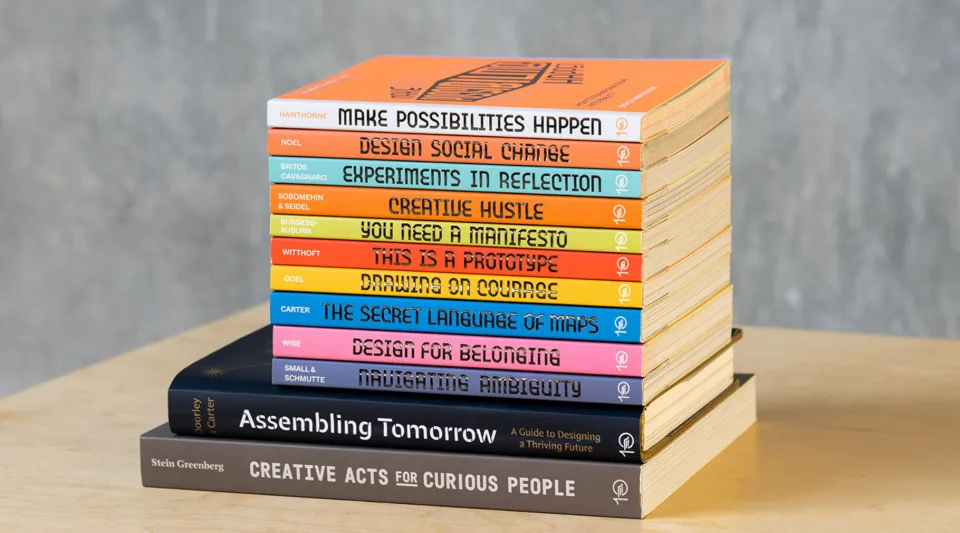
Physical Books vs. E-books vs. Audiobooks: Which Reading Format Reigns Supreme?
In the digital age, the way we consume literature has undergone a seismic shift. For centuries, the printed page was the sole vessel for stories and information. Today, readers are spoiled for choice, navigating a landscape dominated by physical books, e-books, and audiobooks. Each format offers a unique sensory experience and distinct advantages, making the "best" choice a matter of personal preference, lifestyle, and specific reading goals.
Whether you are a bibliophile looking to optimize your reading habit or a casual reader trying to decide which format fits your busy schedule, understanding the nuances of these three mediums is essential. In this comprehensive guide, we compare physical books, e-books, and audiobooks to help you determine which format deserves a place in your library.
The Timeless Appeal of Physical Books
For many, there is no substitute for the tactile experience of a physical book. The weight of the paper, the smell of the ink, and the visual progress of flipping through pages create a multisensory engagement that digital formats struggle to replicate.
The Benefits of Print
- Reduced Eye Strain: Unlike screens, physical pages do not emit blue light, making them the superior choice for late-night reading sessions before bed.
- Better Information Retention: Studies suggest that readers often retain more information from physical books because they can spatially map the text, providing a mental "anchor" for the content.
- Aesthetic and Collectible Value: A well-curated bookshelf serves as both home decor and a reflection of one’s identity.
- No Battery Required: You never have to worry about charging your book or losing access due to a technical glitch.
The Downsides
The primary drawbacks of physical books are portability and space. Carrying a heavy hardcover during a commute is cumbersome, and for those living in smaller spaces, a growing collection can quickly become a storage nightmare.
The Convenience of E-books
E-books revolutionized the publishing industry by making thousands of titles accessible at the touch of a button. They are the ultimate solution for the modern, mobile reader who values efficiency and minimalism.
Why Readers Choose E-books
- Portability: You can carry an entire library in a device thinner than a notepad. This is ideal for travel and daily commuting.
- Instant Gratification: With a stable internet connection, you can purchase and start reading a new book in seconds without leaving your home.
- Customization: E-readers allow users to adjust font size, style, and screen brightness, which is a significant advantage for readers with visual impairments.
- Built-in Tools: Features like integrated dictionaries, highlighting, and search functions make e-books highly effective for academic or professional research.
The Downsides
The reliance on hardware means that if your device runs out of battery, your reading stops. Furthermore, some readers report a lack of emotional connection to the text when it is presented on a screen, often leading to more distractions compared to a physical book.
The Immersive Power of Audiobooks
Audiobooks are the fastest-growing segment in the book industry. They cater to a lifestyle where time is a luxury, allowing readers to consume content while performing other tasks.
The Advantages of Listening
- Multitasking: Audiobooks turn "dead time"—like driving, doing chores, or exercising—into productive learning or entertainment time.
- Accessibility: They provide an essential way for people with dyslexia, visual impairments, or other reading difficulties to enjoy literature.
- Performance Value: A skilled narrator can bring a story to life, adding emotional depth, character voices, and pacing that a silent reader might miss.
The Downsides
The main challenge with audiobooks is maintaining focus. It is easy to "zone out" and miss a crucial plot point, requiring the listener to rewind. Additionally, audiobooks are not ideal for technical or complex non-fiction where you may need to re-read a paragraph multiple times to grasp the concept.
Head-to-Head Comparison Table
| Feature | Physical Books | E-books | Audiobooks |
|---|---|---|---|
| Portability | Low | High | High |
| Immersiveness | High | Medium | High (Performance-based) |
| Eye Health | Excellent | Good (E-ink) | Excellent |
| Best For | Collectors, Deep Reading | Travelers, Researchers | Commuters, Multitaskers |
| Storage | Physical Space Required | Digital Storage Only | Digital Storage Only |
How to Choose the Right Format for Your Needs
Deciding which format to use doesn't have to be an "all or nothing" decision. Many avid readers adopt a hybrid approach, choosing the medium that best fits the specific book or situation.
Consider the Genre
Certain genres lend themselves better to specific formats. For example, complex non-fiction or textbooks are often better as physical books or e-books, where you can easily highlight and annotate. Conversely, memoirs and thrillers are excellent in audiobook format, as the narrative flow benefits from a strong vocal performance.
Consider Your Environment
If you are reading in a high-distraction environment, a physical book is often the best choice because it limits your ability to check emails or social media. If you are constantly on the move, an e-reader or an audiobook app on your phone is a much more practical choice.
The "Deep Reading" Factor
If your goal is to study a subject deeply or enjoy literature that requires slow, contemplative processing, prioritize physical books. The physical act of turning pages and the absence of digital notifications help maintain the "flow state" required for deep comprehension.
Trends Shaping the Future of Reading
The publishing world is not static. Several trends are influencing how we interact with books across all three formats.
1. The Rise of "Phygital" Bundles
Some publishers are experimenting with bundles where buying a physical book grants you access to the digital or audio version at a discounted price. This addresses the desire for both the collection aspect of print and the convenience of digital.
2. Improved E-ink Technology
E-readers are becoming more sophisticated, with features like color e-ink, better backlighting, and increased durability. These advancements are narrowing the gap between the digital and physical reading experience.
3. The Human-Narrated Audiobook Boom
While AI voice synthesis is improving, there is a massive trend toward high-quality, human-narrated audiobooks. Readers are increasingly seeking out productions that feature full casts, sound effects, and high-fidelity recording, treating audiobooks more like radio dramas than simple readings.
Conclusion: The Best Book is the One You Actually Read
Ultimately, the debate between physical books, e-books, and audiobooks is a false dichotomy. Each format serves a purpose, and the best readers are often those who remain format-agnostic, choosing the medium that maximizes their enjoyment and understanding of the text.
If you love the ritual of reading, stick with physical books. If you are a busy professional trying to keep up with industry trends, audiobooks are your best friend. If you are a minimalist who wants a library in your pocket, e-books are the clear winner. By diversifying your reading habits, you ensure that you always have a story to engage with, regardless of where you are or what you are doing.
The most important factor in the world of books is not the medium, but the content. Whether it is ink on paper, pixels on a screen, or a voice in your headphones, the power of a good story remains the same. Embrace the variety, experiment with different formats, and keep reading.