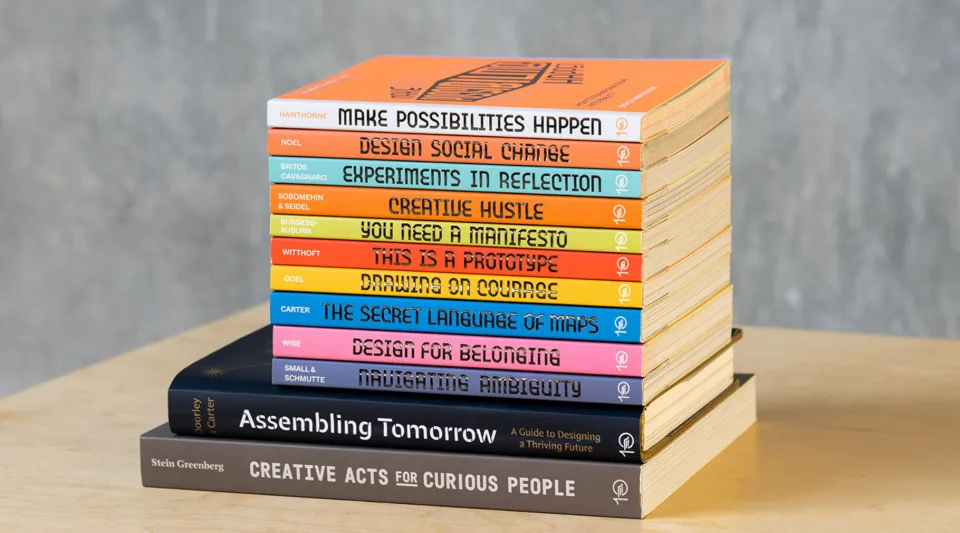
Physical Books vs. E-books vs. Audiobooks: Which Reading Format Reigns Supreme?
In the digital age, the way we consume literature has undergone a profound transformation. Gone are the days when a bookshelf was the only way to access a story. Today, readers are faced with a trifecta of choices: the traditional physical book, the sleek e-reader, and the immersive audiobook. Each format offers a unique experience, catering to different lifestyles, learning styles, and personal preferences. But how do you decide which one is right for you? In this comprehensive comparison, we break down the pros, cons, and best use cases for each reading medium.
1. Physical Books: The Tactile Experience
For many, the physical book remains the gold standard. There is an undeniable sensory appeal to the smell of paper, the weight of a hardcover in your hands, and the satisfaction of physically turning a page. Beyond the nostalgia, physical books offer distinct cognitive and practical advantages.
The Benefits of Print
- Reduced Eye Strain: Unlike screens, physical pages do not emit blue light, making them ideal for bedtime reading without disrupting your circadian rhythm.
- Better Information Retention: Studies suggest that the spatial navigation of a physical book—knowing where you are in the story based on the physical position of the pages—helps with memory recall and comprehension.
- No Distractions: A physical book is a dedicated device. There are no notifications, emails, or app alerts to pull you away from the narrative.
- The Collectibility Factor: A personal library is a reflection of one’s identity. Bookshelves serve as both decor and a visual record of a reader’s intellectual journey.
The Drawbacks
Physical books are undeniably bulky. They take up significant shelf space, are heavy to carry during travel, and require adequate lighting to read in dark environments. Furthermore, they are not the most environmentally friendly option, despite being recyclable.
2. E-books: The Portable Library
E-books revolutionized reading by turning thousands of volumes into a lightweight device that fits into a jacket pocket. E-readers, such as those utilizing E-ink technology, have bridged the gap between digital convenience and eye comfort.
The Benefits of Digital Reading
- Portability: Whether you are commuting or going on a month-long vacation, you can carry your entire library with you.
- Instant Access: With a stable internet connection, you can purchase and download a new release in seconds without leaving your couch.
- Customization: E-readers allow users to adjust font size, style, and line spacing, making reading accessible for those with visual impairments.
- Built-in Features: Features like integrated dictionaries, highlight synchronization, and search functions make e-books a powerful tool for students and researchers.
The Drawbacks
E-books require battery power. There is also the "digital divide"—some readers find it harder to disconnect from the digital ecosystem when using a device that is technically a computer. Additionally, you do not technically "own" an e-book in the same way you own a physical copy; you own a license to access the content, which can be revoked if a platform decides to remove it.
3. Audiobooks: Reading on the Go
Audiobooks are the fastest-growing segment in the publishing industry. They have transformed "dead time"—such as commuting, exercising, or doing household chores—into productive or entertaining time. They represent a shift from active reading to passive consumption.
The Benefits of Listening
- Multitasking: This is the primary advantage. You can "read" while driving, cooking, or walking the dog.
- Accessibility: For individuals with dyslexia or visual impairments, audiobooks provide an essential gateway to literature that might otherwise be inaccessible.
- Performance Value: A skilled narrator can elevate a book, using tone, pacing, and character voices to bring a narrative to life in a way that text alone cannot.
- Pronunciation and Language Learning: Hearing words spoken in their native cadence is an excellent way to improve language acquisition and vocabulary.
The Drawbacks
The biggest challenge with audiobooks is maintaining focus. It is easy for the mind to wander while listening, leading to missed plot points. They are also generally more expensive than e-books and require a subscription or a significant upfront cost per title.
Comparative Summary Table
| Feature | Physical Books | E-books | Audiobooks |
|---|---|---|---|
| Portability | Low | High | Very High |
| Eye Strain | None | Low (with E-ink) | None |
| Distractions | None | Potential (on tablets) | High (multitasking) |
| Space Required | High | None | None |
| Cost | Moderate to High | Low | High |
How to Choose the Right Format for Your Needs
Choosing the right format isn't about picking a "winner"—it's about matching the medium to the moment. Here is a guide on how to integrate these formats into your reading life.
When to Choose Physical Books
Reserve physical books for books you want to savor, annotate, or keep as a reference. If you are reading a dense non-fiction book that requires flipping back and forth, or a beautifully illustrated coffee table book, the physical format is superior. It is also the best choice for a "digital detox" weekend where you want to disconnect from technology entirely.
When to Choose E-books
E-books are perfect for fiction, especially long series where you don't want to lug around multiple heavy volumes. They are also the best choice for travelers or those living in small spaces where physical storage is limited. If you are an avid reader who finishes a book a week, the cost-saving nature of e-books (and the ability to access library loans digitally) makes them the most economical choice.
When to Choose Audiobooks
Audiobooks are the champion of the busy professional. Use them for your commute, your workout, or while performing repetitive manual tasks. They are also excellent for biographies, memoirs, and humor books, where the personality of the narrator adds significant value to the written word.
The Hybrid Reader Trend
Modern readers are increasingly becoming "hybrid readers." This means they switch formats based on the context. You might start a novel on your Kindle during your morning commute, switch to the audiobook while you are preparing dinner, and finish the final chapters in a physical hardcover before bed. This multi-modal approach ensures that you never have to stop reading, regardless of what your day looks like.
Final Thoughts on the Future of Reading
The debate between physical, digital, and audio formats is often framed as a conflict, but in reality, they are complementary. The goal of any reading format is to facilitate the transfer of ideas, stories, and emotions from the author to the reader. Whether you are turning a paper page, tapping a screen, or listening through your headphones, you are engaging in the same fundamental act of human connection.
Ultimately, the "best" format is the one that gets you to read more. If the weight of a physical book is keeping you from starting that classic novel, buy the e-book. If you find yourself staring at screens all day, pick up a physical copy for your evening unwind. By understanding the unique strengths of each format, you can curate a reading experience that fits perfectly into your lifestyle, ensuring that you always have a story waiting for you.