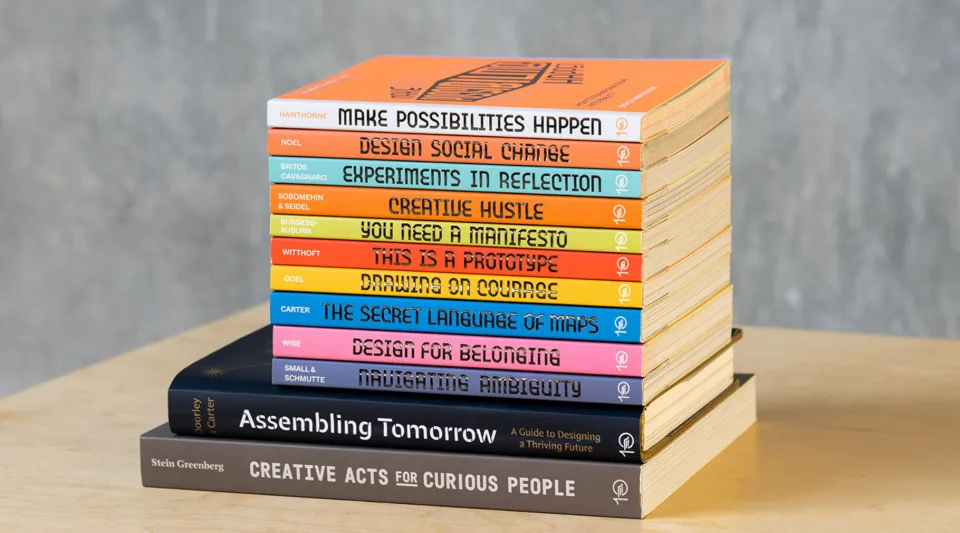
Physical Books vs. E-books vs. Audiobooks: Which Reading Format Reigns Supreme?
In the modern era, bibliophiles are faced with an unprecedented choice: how exactly should they consume their next great story? With the rapid evolution of digital technology, the traditional experience of turning paper pages is now competing with high-tech e-readers and the immersive world of audiobooks. For many, the choice isn't just about convenience; it is about how they process information, their lifestyle, and their personal relationship with literature.
If you are struggling to decide which format deserves a place in your daily routine, you are not alone. This comprehensive guide breaks down the pros and cons of physical books, e-books, and audiobooks to help you determine which format fits your reading habits best.
The Timeless Appeal of Physical Books
For purists, nothing can replace the tactile experience of a physical book. The scent of paper, the weight of the volume in your hands, and the visual progress bar created by the shifting stack of pages on the left versus the right—these are sensory elements that digital formats struggle to replicate.
The Benefits of Print
- Reduced Eye Strain: Unlike screens, physical books do not emit blue light, making them the superior choice for late-night reading before bed.
- Better Information Retention: Studies suggest that readers often have better spatial memory and comprehension when reading physical text, as the physical location of information on a page helps the brain anchor details.
- Collectibility: A personal library is a reflection of one’s identity. Physical books serve as aesthetic decor and long-term keepsakes that can be passed down through generations.
- No Battery Required: A physical book never runs out of power and is immune to software glitches or compatibility issues.
The Drawbacks
The primary downsides to physical books are portability and space. Carrying a hardcover novel in a bag is cumbersome, and for those living in smaller urban apartments, storing a large collection can quickly become a logistical challenge.
The Rise of E-books: Convenience in Your Pocket
E-books revolutionized the publishing industry by allowing readers to carry thousands of titles in a device no thicker than a notepad. For the frequent traveler or the avid reader who consumes multiple books a month, e-readers have become an essential tool.
Why Readers Choose Digital
- Portability: You can take an entire library on vacation without adding a single ounce to your luggage.
- Customization: Readers can adjust font sizes, margins, and brightness, which is a game-changer for those with visual impairments or specific reading preferences.
- Instant Access: With digital storefronts, you can purchase and start reading a new release in seconds without leaving your home.
- Built-in Features: Most e-readers include integrated dictionaries, highlighting tools, and note-taking features that sync directly to your accounts.
The Challenges of E-reading
The biggest hurdle for e-book users is the "screen fatigue" factor. For those who work at computers all day, the idea of staring at another screen for leisure can be draining. Additionally, there is a lack of "digital ownership" in some cases, where access to a book could theoretically be revoked by a platform provider.
Audiobooks: Literature on the Move
Audiobooks are the fastest-growing segment in the publishing world. They have effectively transformed "dead time"—such as commuting, exercising, or doing household chores—into productive or entertaining time. They have opened the world of books to people who previously found it difficult to sit down and read.
The Advantages of Listening
- Multitasking: You can "read" while driving, cooking, or walking the dog. It is the perfect solution for busy professionals and parents.
- Performance Value: A great narrator can elevate a book. Memoirs read by the authors or fiction voiced by talented actors can add layers of emotional depth that silent text cannot provide.
- Accessibility: Audiobooks are a vital resource for individuals with dyslexia, visual impairments, or other conditions that make traditional reading a struggle.
The Downsides
The main critique of audiobooks is the pace. You cannot skim an audiobook as easily as a physical book, and it is much harder to "re-read" a specific passage to analyze the prose. Furthermore, some readers find their minds wandering more easily when listening compared to when they are actively engaging with text.
Comparison Summary Table
| Feature | Physical Books | E-books | Audiobooks |
|---|---|---|---|
| Portability | Low | High | High |
| Eye Strain | None | Low (with E-ink) | None |
| Multitasking | No | No | Yes |
| Storage Space | High (needs shelves) | Zero | Zero |
| Retention | High | Medium | Variable |
How to Choose the Right Format for Your Needs
Deciding which format to use often depends on the specific book you are reading and your current life stage. Here is a guide on how to mix and match these formats to maximize your reading potential.
For Deep Learning and Study
When you are reading non-fiction, textbooks, or complex philosophy, stick to physical books. The ability to physically flip back and forth, annotate in the margins, and visually map where information is located on the page will significantly improve your comprehension and retention.
For Commuting and Daily Chores
If you have a long commute or a repetitive job, audiobooks are your best friend. They turn a boring drive into a storytelling experience. Use this time to catch up on popular fiction, thrillers, or light biographies that don't require heavy note-taking.
For Travel and Nightly Reading
E-books shine when you are on the go. If you are going on a two-week trip, an e-reader ensures you never run out of reading material. Furthermore, if you like to read in bed, an e-reader with an adjustable warm light setting allows you to read without disturbing a partner or straining your eyes with harsh bedside lamps.
The Future of Reading: A Hybrid Approach
The debate between print and digital is increasingly becoming a false dichotomy. Most modern readers are "format-fluid," meaning they use different formats for different purposes. This is often referred to as "Whispersyncing" or hybrid reading—where a reader might listen to a book while driving, then pick up the physical or digital copy to continue from the exact same spot when they get home.
Ultimately, the goal of any reading format is to facilitate the connection between the author’s ideas and the reader’s mind. Whether you are turning a crisp page, tapping a screen, or listening to a narrator, you are engaging in one of the most intellectually stimulating activities available to humans.
Final Thoughts: The Best Format is the One You Actually Use
The "best" way to read is the one that keeps you reading. If you find yourself buying physical books that collect dust on your shelf, switch to an e-reader to see if the convenience helps you finish more chapters. If you find yourself staring at your phone all day and craving a break, pick up a hardcover novel to disconnect from the digital noise.
Don't be afraid to experiment. Your reading habits are not set in stone; they can evolve alongside your lifestyle. The most important thing is that you keep making time for books, as the benefits of reading—reduced stress, increased empathy, and improved vocabulary—far outweigh the minor differences between these three wonderful formats.
Start by auditing your current reading list. Which books are you excited to finish? Which ones feel like a chore? Match the format to the experience you want to have, and you will find yourself falling in love with reading all over again.