The Ultimate Consumer Electronics Buying Guide: How to Make Smarter Tech Investments
In an era where technology evolves at breakneck speed, navigating the world of consumer electronics can feel overwhelming. Whether you are upgrading your home office, looking for the perfect entertainment setup, or seeking the latest wearable tech, the sheer volume of choices is enough to cause "analysis paralysis." Making an informed purchase isn't just about picking the flashiest device; it’s about understanding your specific needs, evaluating long-term value, and ensuring compatibility with your existing ecosystem.
This comprehensive guide is designed to help you cut through the marketing noise. We will explore the fundamental principles of buying electronics, the trends shaping the industry, and the critical factors you must consider before clicking the "buy" button.
Understanding Your Needs: The "Why" Before the "What"
Before diving into technical specifications and price points, start by defining your primary objective. Most consumer electronics fall into one of three categories: productivity, entertainment, or lifestyle. Identifying which category your purchase belongs to will dictate which features are non-negotiable and which are merely "nice-to-have."
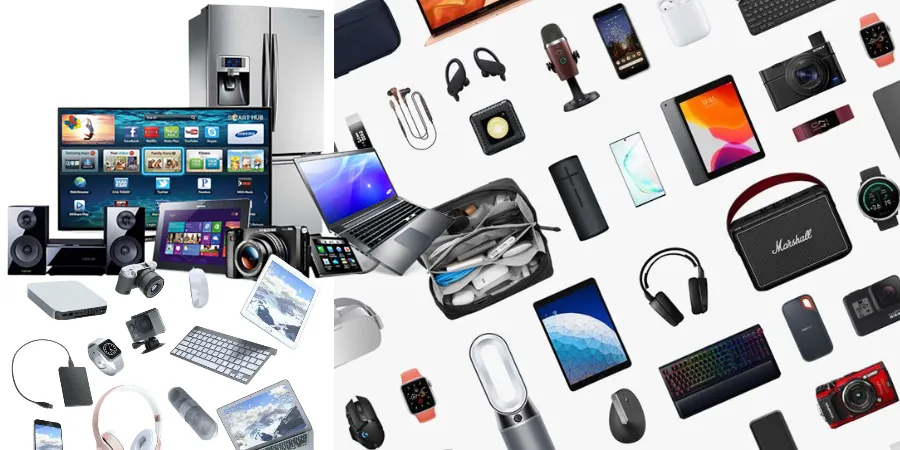
- Productivity: Focus on reliability, ergonomics, and processing power. Examples include laptops, monitors, and tablets.
- Entertainment: Focus on visual fidelity, audio quality, and content accessibility. Examples include smart TVs, gaming consoles, and sound systems.
- Lifestyle: Focus on portability, battery life, and integration. Examples include smartwatches, wireless earbuds, and home automation hubs.
Ask yourself: Is this a tool for work, a medium for leisure, or a device for convenience? A device that excels in one area often compromises in another. For instance, a high-performance gaming laptop will prioritize cooling and graphics over battery life and portability.
Key Technical Specifications: Decoding the Jargon
When reading product descriptions, you will encounter a barrage of technical terms. Understanding these will help you compare products objectively regardless of the marketing claims.
1. Processing Power (CPU and GPU)
The processor is the "brain" of your electronic device. For general productivity, look for multi-core processors that offer a balance between speed and power efficiency. If you are into creative work—such as video editing or 3D rendering—prioritize high clock speeds and dedicated graphics processing units (GPUs).
2. Memory and Storage
Do not confuse RAM with Storage. RAM (Random Access Memory) determines how many tasks your device can handle simultaneously. For modern computing, 8GB is the bare minimum, while 16GB is the sweet spot for most users. Storage (SSD vs. HDD) is where your files live. Always opt for an SSD (Solid State Drive) over an HDD (Hard Disk Drive) for significantly faster boot times and system responsiveness.
3. Connectivity and Ports
In a world shifting toward wireless, ports still matter. Check for USB-C versatility, Thunderbolt support, and HDMI standards. If you plan to connect multiple peripherals, ensure your device has enough ports to avoid a messy collection of dongles and hubs.
Comparison Table: Key Considerations by Device Category
| Device Category | Primary Focus | Critical Spec to Watch | Common Pitfall |
|---|---|---|---|
| Laptops | Portability & Performance | RAM & SSD Type | Ignoring battery life for power |
| Smart TVs | Visual Quality | Panel Type (OLED vs. QLED) | Overlooking refresh rate (Hz) |
| Wearables | Battery & Sensors | Ecosystem Compatibility | Buying without checking phone OS |
| Audio Gear | Sound Fidelity | Frequency Response & Codecs | Prioritizing looks over comfort |
The Importance of Ecosystem Integration
One of the most overlooked aspects of buying electronics is how well a new device plays with your current setup. The "walled garden" approach taken by many manufacturers means that certain devices are optimized to work seamlessly with others of the same brand. While this can offer a smoother user experience, it can also limit your flexibility.
Before purchasing, check for cross-platform compatibility. If you use an Android smartphone, buying a laptop that integrates deeply with a specific proprietary OS might create unnecessary friction. Look for universal standards like Bluetooth 5.x, Wi-Fi 6/6E, and USB-C charging, which ensure that your devices can communicate and power up without requiring specialized, brand-specific cables.
Future-Proofing: How Long Will It Last?
Electronics depreciate faster than almost any other consumer good. To get the best value, practice "future-proofing." This doesn't mean buying the most expensive item on the shelf; it means buying a device that will remain relevant for the next 3 to 5 years.
- Software Support: Check the manufacturer’s history of providing OS updates and security patches. A device that stops receiving updates after one year is a bad investment.
- Repairability: Look for products with higher repairability scores. Devices with user-replaceable batteries or easily accessible components will save you significant money in the long run.
- Standardization: Prioritize devices that use industry-standard connectors and software protocols. Proprietary ports and formats are the first to become obsolete.
Sustainability and the "Right to Repair"
The electronics industry has a significant environmental impact. When shopping, consider the lifecycle of the product. Look for manufacturers that have transparent recycling programs or those that use recycled materials in their packaging and chassis. Furthermore, support the "Right to Repair" movement by favoring brands that provide official repair manuals and spare parts to consumers.
Choosing refurbished or certified pre-owned electronics is another excellent way to reduce your carbon footprint while saving money. Many retailers offer "open-box" deals that are essentially new products returned by customers, often discounted by 15-30%.
Strategic Timing: When to Buy
In the electronics world, timing is everything. If you can afford to wait, you can save hundreds of dollars by timing your purchase correctly.
- Product Refresh Cycles: Most manufacturers release new models on an annual or bi-annual basis. Prices for the "previous generation" models usually drop significantly just before or right after the new version is announced.
- Holiday Sales and Seasonal Events: Major retail holidays are excellent times to buy, but be wary of "price anchoring," where retailers artificially inflate prices before a sale to make the discount look deeper. Use price-tracking tools to see the historical price of an item.
- Back-to-School and End-of-Year: These periods often see aggressive bundling, where you can get extra accessories or software subscriptions included with your hardware purchase at no extra cost.
Final Checklist Before You Purchase
Once you have narrowed down your choices, run through this final checklist to ensure you are making the right decision:
- Reviews from multiple sources: Do not rely on a single source. Read user reviews on forums and watch technical deep-dives from independent experts.
- Warranty coverage: Does the product come with a comprehensive warranty? Are there extended warranty options that actually provide value, or are they just profit centers for the retailer?
- Return Policy: Ensure the retailer has a "no-questions-asked" return policy. You won't know if a device truly fits your workflow until you have used it in your own environment for a few days.
- Hidden Costs: Factor in the cost of necessary accessories—cases, screen protectors, high-speed cables, or software licenses—that might be required to use the device effectively.
Conclusion: The Smart Consumer Mindset
Buying consumer electronics should be an empowering experience. By shifting your focus from marketing hype to technical utility, ecosystem compatibility, and long-term value, you can build a technology setup that enhances your life rather than complicating it. Remember that the "best" device is not the one with the highest specs or the highest price tag—it is the one that solves your specific problems reliably and fits seamlessly into your daily routine.
Take your time, do your research, and prioritize quality over novelty. Technology is meant to serve you, and with the right approach, your next electronics purchase will be an investment that pays dividends in productivity and enjoyment for years to come.