The Ultimate Guide to Building a Sustainable and Stylish Wardrobe: How to Choose Quality Apparel
In an era of fast fashion, where trends change weekly and garments are often discarded after a few wears, building a functional, stylish, and durable wardrobe has become a challenge. Whether you are looking to refine your personal style or simply want to stop the cycle of constant shopping, understanding how to select high-quality apparel is a vital skill. This guide explores the essentials of garment construction, fabric science, and smart shopping strategies to help you curate a closet that stands the test of time.
Understanding Fabric Quality: The Foundation of Apparel
The longevity of any clothing item begins with the fabric. Before looking at the design or the price tag, you must understand what the garment is made of. Fabric composition determines how a piece will drape, how it will hold up in the wash, and how it will feel against your skin.
Natural vs. Synthetic Fibers
To make informed buying decisions, it is helpful to categorize fabrics based on their origin:
- Natural Fibers: Materials like cotton, linen, wool, and silk are breathable, biodegradable, and generally more comfortable. High-quality cotton (like Pima or Egyptian) offers superior softness and durability. Wool is excellent for temperature regulation, while linen is the gold standard for summer apparel.
- Synthetic Fibers: Materials like polyester, nylon, and acrylic are often used for their wrinkle resistance, moisture-wicking properties, and low cost. While they have their place in athletic wear, they are often less breathable and prone to retaining odors.
- Blends: Many garments use a blend of natural and synthetic fibers to combine the best of both worlds—for example, a cotton-polyester blend might offer the comfort of cotton with the wrinkle-resistant durability of polyester.
Evaluating Construction and Craftsmanship
A beautiful design is useless if the garment falls apart after three washes. When shopping for apparel, look for signs of high-quality construction that indicate the manufacturer prioritized longevity.
| Feature | What to Look For | Why It Matters |
|---|---|---|
| Stitching | High stitch density, no loose threads | Ensures seams don't unravel under tension. |
| Seams | French seams or double-stitched seams | Prevents fraying and increases structural integrity. |
| Patterns | Pattern matching at seams | Indicates high-quality manufacturing and attention to detail. |
| Hardware | Metal zippers, reinforced buttons | Plastic hardware is the first thing to break on a garment. |
How to Identify the Perfect Fit
Even the most expensive, high-quality garment will look poor if it doesn't fit correctly. Fit is subjective, but there are universal rules to follow when assessing whether a piece of clothing belongs in your wardrobe.
The Golden Rules of Fit
- Shoulder Alignment: For jackets, shirts, and blazers, the shoulder seam should sit exactly where your shoulder ends. If it hangs off, the piece is too big; if it pulls toward the neck, it is too small.
- Movement and Comfort: You should be able to move your arms freely without the fabric pulling excessively at the back or chest. If you cannot raise your arms, the armholes are likely cut too low or the chest is too tight.
- Proportion: Your clothing should complement your body shape. If you are petite, avoid oversized items that overwhelm your frame. If you are tall, ensure sleeves and pant hems are long enough to maintain balanced proportions.
Building a Capsule Wardrobe: Quality Over Quantity
The concept of a "capsule wardrobe" is the antidote to impulsive shopping. It involves curating a collection of essential, versatile items that can be mixed and matched to create numerous outfits. Instead of owning 50 items that don't go together, aim for 20-30 high-quality pieces that work in harmony.
Essential Pieces for Every Wardrobe
- The Crisp White Shirt: A versatile staple that can be dressed up with a blazer or down with jeans.
- The Perfect Pair of Denim: Invest in a classic indigo wash with minimal distressing; it is timeless and pairs with everything.
- The Tailored Blazer: An essential layer that instantly elevates a casual outfit to business-casual.
- Neutral Knitwear: A high-quality wool or cashmere sweater in a neutral tone like navy, grey, or beige.
- Versatile Footwear: A pair of clean leather sneakers and a pair of classic leather boots or loafers.
Shopping Strategies for the Conscious Consumer
Navigating the apparel market requires a strategy to avoid "retail therapy" traps. Follow these tips to ensure every purchase adds value to your life.
1. The 30-Wear Rule
Before buying an item, ask yourself: "Will I wear this at least 30 times?" If the answer is no, reconsider the purchase. This simple mental check drastically reduces waste and prevents the accumulation of impulse buys.
2. Check the Care Label
If a garment requires professional dry cleaning, consider whether you are willing to pay for that maintenance long-term. Often, garments that are machine-washable are more practical for everyday wear.
3. Prioritize Versatility
Can you wear the item with at least three other pieces you already own? If an item requires you to buy a whole new outfit just to make it work, it is not a wise investment for your wardrobe.
Caring for Your Apparel to Extend Its Life
Once you have invested in quality pieces, you must maintain them properly. Proper garment care is the most effective way to ensure your clothes last for years rather than months.
- Wash Less, Wash Cold: Over-washing wears down fibers. Use cold water to prevent shrinking and color fading.
- Air Dry Whenever Possible: The heat from a tumble dryer is one of the biggest enemies of apparel. It breaks down elastic and causes fibers to become brittle.
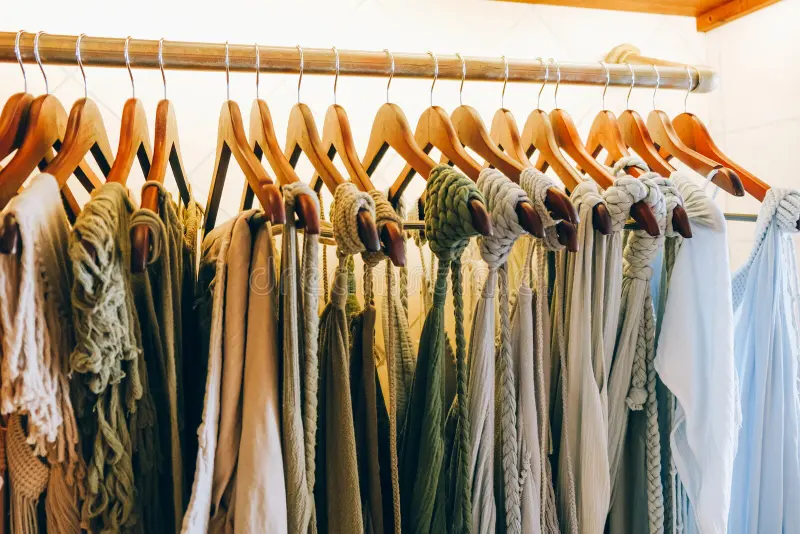
- Storage Matters: Use wooden or padded hangers for jackets and shirts to maintain their shape. Fold heavy sweaters to prevent them from stretching out on hangers.
- Learn Basic Mending: Knowing how to sew a button or fix a small hem can save a garment from being thrown away prematurely.
The Future of Apparel: Sustainability and Transparency
As consumers become more educated, the apparel industry is shifting toward greater transparency. Look for brands that provide information about their supply chain, the working conditions of their factories, and the environmental impact of their materials. While this is not always possible with every purchase, supporting brands that prioritize ethical practices encourages the industry to move in a more sustainable direction.
Conclusion: Developing Your Personal Style
Choosing apparel is not just about utility; it is a form of self-expression. By focusing on quality fabrics, proper construction, and a timeless aesthetic, you can build a wardrobe that reflects who you are while minimizing your environmental footprint. Remember, the most stylish person in the room is not the one following the latest trend, but the one wearing clothes that fit well, feel great, and stand the test of time. Take your time, invest wisely, and enjoy the process of curating a collection of apparel that you truly love.