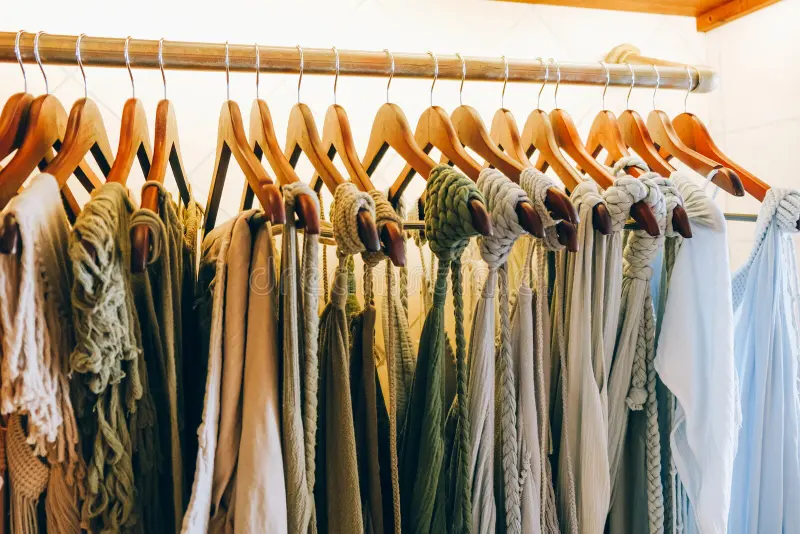
Natural vs. Synthetic Fabrics: Choosing the Best Materials for Your Wardrobe
When building a sustainable and functional wardrobe, the choice of fabric is arguably the most important decision you can make. Every garment in your closet—from your favorite moisture-wicking gym shirt to your go-to winter sweater—is defined by the material it is made from. In the world of apparel and clothing, the debate between natural and synthetic fibers is constant, with each category offering distinct advantages and drawbacks depending on your lifestyle, climate, and personal values.
Understanding the science and utility behind these fabrics will not only help you make better purchasing decisions but will also extend the lifespan of your clothes. In this guide, we break down the key differences between natural and synthetic textiles to help you curate a smarter, more comfortable collection of apparel.
Understanding Natural Fibers: The Gift of Nature
Natural fibers are derived from plants or animals. These materials have been the foundation of human clothing for thousands of years, prized for their breathability, comfort, and biodegradability. Common examples include cotton, wool, linen, and silk.
The Benefits of Natural Fabrics
- Breathability: Natural fibers are generally more porous, allowing air to circulate and moisture to evaporate, which keeps you cool in hot weather.
- Hypoallergenic Properties: Organic cotton and high-quality silk are often gentler on sensitive skin, reducing the risk of irritation or allergic reactions.
- Biodegradability: At the end of their lifecycle, natural fibers break down much faster than synthetic alternatives, making them a more eco-friendly choice for the planet.
- Temperature Regulation: Materials like wool possess unique crimped structures that trap air, providing excellent insulation in the winter while remaining breathable in the summer.
The Challenges of Natural Fabrics
While natural fabrics are beloved, they do come with maintenance requirements. They are prone to wrinkling, can shrink if washed improperly, and are often more susceptible to damage from moths or mildew if not stored correctly. Furthermore, the production of certain natural fibers, particularly conventional cotton, can be water-intensive.
Understanding Synthetic Fibers: The Power of Engineering
Synthetic fibers are man-made through chemical processes, usually derived from petroleum-based products. These include polyester, nylon, acrylic, spandex, and rayon (which is semi-synthetic). These fabrics were developed to solve specific problems that natural fibers struggled with, such as durability, elasticity, and water resistance.
The Benefits of Synthetic Fabrics
- Durability and Strength: Synthetic fibers are engineered to be incredibly tough, resistant to tearing, abrasion, and wrinkling.
- Moisture Management: Many synthetics are hydrophobic, meaning they wick sweat away from the body, making them the gold standard for activewear and high-performance sports apparel.
- Cost-Effectiveness: Because they can be mass-produced in a lab, synthetic fabrics are generally more affordable than natural alternatives.
- Elasticity and Shape Retention: Materials like spandex allow garments to stretch and return to their original shape, providing a perfect fit for leggings, swimwear, and compression gear.
The Challenges of Synthetic Fabrics
The primary concern with synthetic fabrics is their environmental impact. Most are not biodegradable and contribute to microplastic pollution in our oceans when washed. Additionally, because they are not as breathable as natural fibers, they can trap odors and heat, leading to discomfort during prolonged wear.
Comparison Table: Natural vs. Synthetic Fabrics
| Feature | Natural Fibers | Synthetic Fibers |
|---|---|---|
| Breathability | High | Low to Moderate |
| Durability | Moderate | High |
| Moisture Wicking | Variable (Wool is good) | Excellent |
| Environmental Impact | Generally lower | Generally higher |
| Maintenance | Requires care (hand wash/low heat) | Low maintenance (machine wash) |
| Best Use Case | Casual wear, loungewear, formal | Activewear, outerwear, swimwear |
Key Considerations When Choosing Your Apparel
Choosing between natural and synthetic shouldn't be a binary "one or the other" decision. Instead, consider the context of your clothing. A balanced wardrobe often utilizes a mix of both to maximize comfort and utility.
1. Climate and Seasonality
In humid, hot climates, natural fibers like linen and light cotton are essential to prevent overheating. In contrast, if you live in a cold or wet environment, synthetic materials like polyester blends or treated nylon are superior for blocking wind and repelling moisture, keeping you dry and warm.
2. Lifestyle and Activity Level
If your daily routine involves intense physical activity, synthetic fabrics are your best friend. The moisture-wicking properties of polyester prevent the "heavy, wet clothes" feeling that cotton gets when saturated with sweat. However, for office wear or relaxing at home, the soft, breathable touch of cotton or silk is unmatched.
3. The Rise of Performance Blends
Modern apparel manufacturers have recognized that the best results often come from a blend. You will frequently see labels that combine, for example, 95% cotton with 5% spandex. This allows the garment to maintain the breathability of the natural fiber while gaining the stretch and shape retention of the synthetic fiber. When shopping, look for these blends to get the "best of both worlds."
Sustainable Shopping Tips for the Conscious Consumer
As consumers become more aware of the environmental footprint of their clothing, the industry is shifting. Whether you prefer natural or synthetic, there are ways to shop more responsibly:
- Prioritize Quality over Quantity: Investing in a high-quality wool sweater that lasts a decade is more sustainable than buying three cheap synthetic sweaters that fall apart in a year.
- Look for Recycled Synthetics: Many brands now offer apparel made from recycled polyester (rPET), which repurposes plastic bottles and reduces the reliance on virgin petroleum.
- Check the Care Label: Understanding how to wash your clothes—such as using cold water and air drying—significantly extends the life of the garment and reduces the energy used in maintenance.
- Support Sustainable Certification: Look for labels like GOTS (Global Organic Textile Standard) for natural fibers, which ensures ethical and eco-friendly production methods.
Conclusion: Building a Versatile Wardrobe
There is no "perfect" fabric that suits every situation. The art of dressing well lies in understanding the characteristics of the materials you wear. By integrating the breathable, luxurious feel of natural fibers with the rugged, high-performance capabilities of synthetic fabrics, you can build a wardrobe that is not only stylish but also functional and long-lasting.
Next time you go shopping, don't just look at the style or the price tag. Take a moment to check the composition label. Ask yourself: Is this for a high-intensity workout, a formal event, or a cozy day at home? Matching the fabric to the function is the hallmark of a savvy consumer. By making informed choices, you contribute to a more thoughtful approach to apparel—one that values quality, comfort, and the longevity of your clothing collection.