The Ultimate Guide to Building a Timeless Wardrobe: Best Apparel & Clothing Essentials for Every Season
Building a versatile, high-quality wardrobe is not about chasing every fleeting trend that hits the runway. It is about curating a collection of apparel and clothing that offers functionality, comfort, and effortless style. Whether you are a minimalist looking to streamline your closet or a fashion enthusiast wanting to invest in pieces that last, understanding the core categories of apparel is the first step toward impeccable personal style.
In this guide, we explore the best apparel and clothing categories, essential investment pieces, and expert tips on how to choose garments that stand the test of time.
The Philosophy of Quality Over Quantity
The modern approach to apparel and clothing is shifting away from "fast fashion" toward sustainable, high-quality staples. When you invest in better materials—such as organic cotton, merino wool, linen, or high-grade leather—you aren't just buying clothes; you are investing in longevity. The "best" clothing items are those that maintain their shape, color, and texture after multiple washes and years of wear.
To build a capsule wardrobe, focus on neutral tones and classic silhouettes. This strategy ensures that every piece in your closet can be mixed and matched, significantly reducing the "I have nothing to wear" dilemma.
Top Categories for Essential Apparel
To master your wardrobe, you must categorize your clothing needs. Below are the pillars of a well-rounded apparel collection.
1. Elevated Basics: The Foundation
Basics are the backbone of any outfit. These are the items you wear underneath layers or on their own during casual days. The best basics focus on fit and fabric quality rather than flashy logos or complex designs.
- The Perfect White T-shirt: Look for heavyweight cotton that isn't transparent.
- Well-Tailored Denim: A pair of dark-wash, straight-leg jeans is the most versatile piece in any apparel category.
- Neutral Knitwear: A cashmere or merino wool crewneck sweater adds texture and warmth to any ensemble.
2. Outerwear: The Statement Makers
Outerwear is often the first thing people notice. Investing in high-quality jackets and coats is essential for both aesthetic appeal and protection against the elements. The best outerwear transcends seasons.
| Type of Outerwear | Best Material | Ideal Occasion |
|---|---|---|
| Trench Coat | Gabardine or Cotton Blend | Spring/Autumn, Business Casual |
| Leather Jacket | Full-Grain Leather | Evening, Edgy Casual |
| Wool Overcoat | 100% Wool or Cashmere Blend | Winter, Formal Events |
| Denim Jacket | Rigid Denim | Weekend Outings |
3. Tailoring and Formal Wear
Even if you work in a casual environment, having at least one perfectly fitted suit or a structured blazer is non-negotiable. Tailoring is the secret weapon of the best-dressed individuals. A mid-range suit that has been professionally tailored to your body will always look better than an expensive designer suit that fits poorly.
Current Trends in Apparel and Clothing
While we emphasize timelessness, staying aware of current trends can help you inject personality into your wardrobe. Here are the shifts currently dominating the apparel industry:
- Sustainable Fabrics: Consumers are prioritizing eco-friendly materials like Tencel, hemp, and recycled polyester.
- Oversized Silhouettes: Comfort remains king, with relaxed-fit trousers and oversized blazers becoming mainstream.
- Monochromatic Dressing: Wearing one color from head to toe creates a sleek, high-fashion look that is incredibly easy to style.
- Athleisure Evolution: High-performance clothing is now acceptable in more professional settings, provided the fabrics are elevated and clean-cut.
How to Choose the Best Apparel: A Buyer’s Checklist
Before making a purchase, use this checklist to ensure you are getting the best value for your money:
- Check the Fabric Content: Avoid excessive synthetic blends if you want the garment to breathe. Look for natural fibers whenever possible.
- Examine the Stitching: Turn the garment inside out. If the seams are fraying or the stitching is uneven, the piece will likely fall apart after a few wears.
- Test the Hardware: Zippers should glide smoothly, and buttons should be securely attached with reinforced backing.
- Versatility Test: Before buying, ask yourself: "Can I create at least three different outfits with this piece using items I already own?"
Caring for Your Clothing to Ensure Longevity
The best apparel in the world will lose its appeal if it is poorly maintained. Proper care is essential for extending the life of your wardrobe.
Washing and Drying Tips
Always read the care label. For delicate items like wool or silk, hand washing or professional dry cleaning is often necessary. Avoid the tumble dryer for most items; air-drying preserves the fibers and prevents shrinkage. Furthermore, washing clothes in cold water is not only better for the environment but also gentler on fabrics, preventing color fading.
Storage Solutions
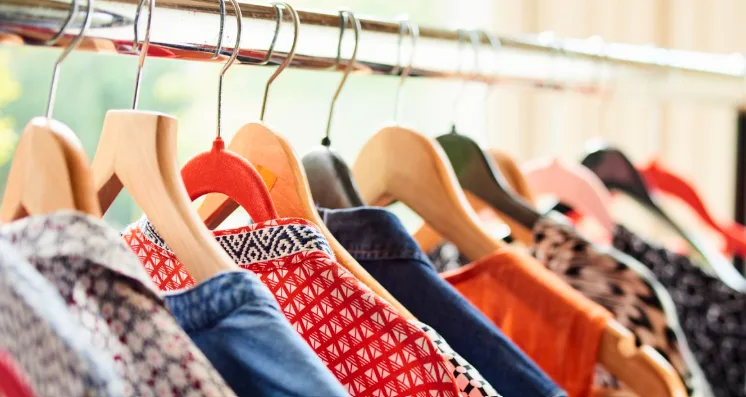
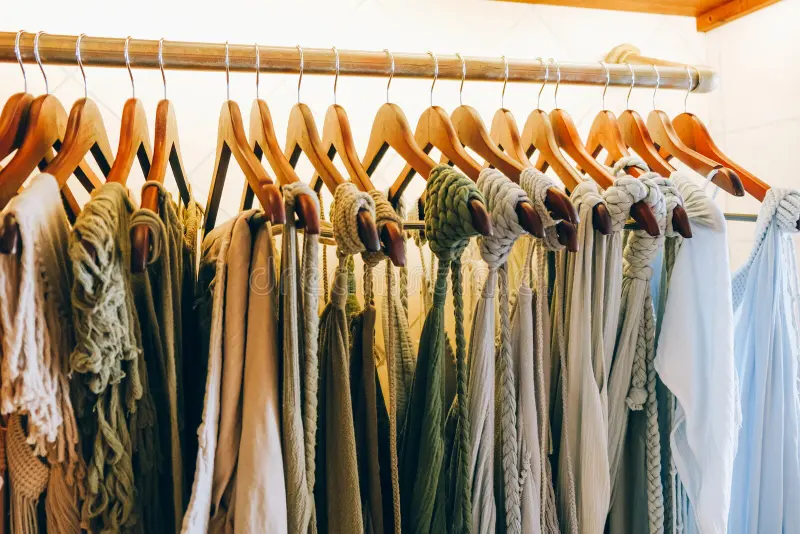
Use wooden or padded hangers for suits and coats to maintain their shape. For knitwear, always fold your sweaters rather than hanging them; hanging causes the shoulders to stretch and the garment to lose its silhouette over time. Keep your clothing in a cool, dry place to prevent mold and moth damage.
The Future of Apparel: Technology and Customization
The apparel and clothing industry is evolving rapidly. We are seeing a rise in 3D-knitting technology, which reduces waste by creating garments to exact measurements. Additionally, the move toward "made-to-order" models is helping reduce overproduction, ensuring that consumers receive items that fit perfectly and are produced ethically.
As you curate your wardrobe, look for brands that prioritize transparency in their supply chain. Knowing how and where your clothing is made is a hallmark of a conscious consumer.
Conclusion: Building Your Signature Style
The best apparel and clothing choices are those that reflect your personal lifestyle and values. By focusing on high-quality basics, investing in durable outerwear, and practicing proper garment care, you can build a wardrobe that is both stylish and sustainable. Remember, fashion is about expression, but style is about consistency. Choose pieces that make you feel confident, comfortable, and ready to take on the world.
Start small, invest wisely, and prioritize quality over the constant pressure to keep up with fast-paced trends. Your future self—and your closet—will thank you.