The Ultimate Guide to Building a Timeless Wardrobe: Best Apparel & Clothing Essentials for Every Season
Building a functional, stylish, and sustainable wardrobe is an art form. In the fast-paced world of fashion, where trends emerge and fade within weeks, the smartest approach is to invest in high-quality apparel and clothing staples that transcend seasons. Whether you are curating a professional capsule wardrobe or looking for the best casual wear, understanding the balance between quality, fabric composition, and versatility is key.
This guide explores the best apparel and clothing categories you should prioritize, how to identify quality garments, and how to maintain your collection for long-term wear.
Understanding the Foundation: Why Quality Over Quantity Matters
The modern consumer is shifting away from "fast fashion" toward a more intentional way of dressing. The best apparel and clothing investments are those that offer a low "cost-per-wear." A high-quality wool coat that lasts ten years is significantly more economical and environmentally friendly than a synthetic jacket that loses its shape after one season.
When shopping for apparel, look for these three pillars of quality:
- Fabric Composition: Natural fibers like organic cotton, linen, merino wool, and silk are generally more breathable and durable than synthetic blends.
- Construction: Check for reinforced stitching, finished seams, and high-quality hardware (zippers and buttons).
- Fit and Tailoring: A garment that fits your body type correctly will always look more expensive than a poorly fitted designer piece.
Essential Apparel Categories for a Versatile Wardrobe
To master your style, you need a mix of core basics and statement pieces. Here are the best apparel categories to focus on when building your collection.
1. Premium Basics: The T-Shirt and Button-Down
The humble T-shirt is the most used item in any closet. The best T-shirts are made from long-staple cotton, such as Pima or Egyptian cotton, which resists pilling. For button-down shirts, look for poplin or oxford weaves, which offer a crisp look and excellent durability.
2. Knitwear and Layering
Knitwear defines your look during colder months. Merino wool is the gold standard for versatility because it is temperature-regulating, moisture-wicking, and naturally odor-resistant. Cashmere remains the ultimate luxury, but ensure it is high-ply to prevent early wear and tear.
3. Bottoms: Denim and Tailored Trousers
Finding the "perfect" pair of jeans is a rite of passage. Raw denim is often considered the best choice for enthusiasts because it molds to your body over time. For professional settings, wool-blend trousers with a slight taper provide a polished silhouette that works for both office and evening wear.
Comparison Table: Fabric Selection for Different Climates
Choosing the right material is essential for comfort and longevity. Use this table as a reference when selecting your next apparel purchase.
| Material | Best Use | Pros | Cons |
|---|---|---|---|
| Organic Cotton | T-shirts, Casual wear | Breathable, soft, easy to wash | Can shrink if not pre-shrunk |
| Merino Wool | Sweaters, Base layers | Temperature control, odor-resistant | Requires delicate washing |
| Linen | Summer shirts, Trousers | Extremely breathable, lightweight | Wrinkles easily |
| Denim (Raw) | Jeans, Jackets | Durable, unique fading patterns | Stiff at first, requires breaking in |
| Silk | Formal wear, Blouses | Luxurious feel, temperature regulating | High maintenance, expensive |
Current Trends in Apparel: What to Look For
While basics remain the foundation, incorporating trends can keep your style feeling fresh. Currently, the industry is seeing a major pivot toward "Quiet Luxury"—an aesthetic characterized by neutral palettes, minimalist silhouettes, and an emphasis on premium materials rather than flashy logos.
The Rise of Sustainable Performance Wear
Athleisure is no longer just for the gym. The best modern performance apparel blends high-tech, moisture-wicking fabrics with sophisticated cuts that can be worn in casual office environments. Look for brands that utilize recycled polyester or bio-based synthetic alternatives to reduce your carbon footprint.
Oversized Silhouettes
The structured, slim-fit era is giving way to more relaxed, oversized fits. Whether it is a wide-leg trouser or a boxy blazer, these pieces offer comfort and a modern, editorial look. The trick to pulling off this trend is to balance the volume—pair an oversized top with a more streamlined bottom, or vice versa.
How to Maintain Your Apparel for Longevity
The best apparel and clothing products will only last as long as the care you provide them. Proper maintenance is the secret to a wardrobe that looks brand new for years.
- Wash Less, Air More: Frequent washing breaks down fibers. Unless a garment is visibly dirty or sweaty, consider airing it out instead.
- Use Cold Water: Hot water can cause shrinkage and damage elastic fibers. Cold water is gentler and more energy-efficient.
- Avoid the Dryer: High heat is the enemy of fabric. Air-drying your clothes on a rack or hanger preserves the shape and integrity of the material.
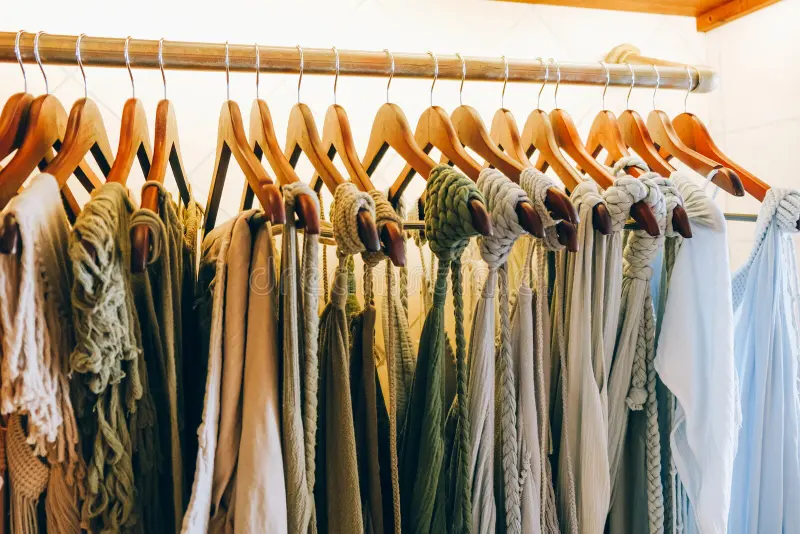
- Invest in Quality Hangers: Wire hangers can distort the shoulders of your jackets and shirts. Switch to wooden or velvet-covered hangers to maintain the structure of your garments.
Shopping Strategies: Finding the Best Deals
Building a high-quality wardrobe does not have to break the bank. Here are professional tips for acquiring the best apparel without overspending:
- Shop Off-Season: Buy your winter coats in the spring and your linen shirts in the fall. Retailers offer the deepest discounts when they need to clear floor space for the next season.
- Check Material Tags: Never buy based on the brand name alone. Check the label to ensure the composition matches the price point. If you see a high percentage of polyester in a "luxury" garment, keep looking.
- Build a Capsule Wardrobe: Before buying, ensure the new item matches at least three other items you already own. If it doesn't fit into your current rotation, it will likely end up unworn.
Conclusion: Defining Your Personal Style
The best apparel and clothing choices are those that make you feel confident and comfortable. By prioritizing natural fibers, understanding how to care for your garments, and focusing on versatile pieces that mix and match, you can create a wardrobe that serves you for years to come. Remember, style is not about having the most clothes; it is about having the right clothes that reflect your personality and lifestyle. Start small, invest wisely, and enjoy the process of curating your perfect look.
As you continue to refine your collection, stay curious about new sustainable technologies in the apparel industry. The future of clothing is moving toward greater transparency and ethical production, making it easier than ever to look good while supporting responsible manufacturing practices.