The Ultimate Guide to Building a Timeless Wardrobe: How to Choose Quality Apparel
In an era of fast fashion, where trends change by the week and garments often lose their shape after a single wash, the art of building a sustainable and stylish wardrobe has become a lost skill. Choosing the right apparel is not just about aesthetics; it is about understanding fabric science, garment construction, and personal utility. Whether you are looking to elevate your professional style or build a reliable capsule collection, this comprehensive guide will help you navigate the complex world of apparel and clothing with confidence.
Understanding Fabric Composition: The Foundation of Quality
The longevity and comfort of any piece of clothing begin with the fabric. Before looking at the label for the price, look at the composition tag. Understanding what your clothes are made of is the single most important factor in determining how they will perform over time.
Natural Fibers vs. Synthetic Blends
Natural fibers are generally more breathable, durable, and biodegradable, but they require different care than synthetic materials. Here is a breakdown of common materials you will encounter in the apparel market:
| Material | Best For | Key Benefit |
|---|---|---|
| Cotton (Pima/Egyptian) | T-shirts, casual shirts | Softness and breathability |
| Merino Wool | Sweaters, base layers | Temperature regulation and odor resistance |
| Linen | Summer apparel | High breathability and moisture-wicking |
| Polyester/Nylon | Athleisure, outerwear | Durability and moisture management |
When selecting high-quality apparel, aim for natural fibers for everyday wear. If you are choosing synthetic blends, ensure they serve a specific purpose, such as moisture-wicking for activewear or water resistance for outerwear.
The Anatomy of Well-Constructed Apparel
A high-quality garment is defined by its construction. Even the finest silk or cotton will fail if the assembly is poor. When shopping, perform these quick inspections to ensure you are investing in a piece that will last:
- Seam Integrity: Check the inside of the garment. Are the seams straight? Are there loose threads hanging everywhere? High-quality clothing features reinforced seams, often with double-stitching, to prevent fraying and tearing.
- The Button Test: If the garment has buttons, pull on them gently. They should be sewn on securely, and the buttonholes should be neatly finished with no loose fabric fibers sticking out.
- Pattern Matching: On patterned clothing (like plaid or stripes), check the seams. If the pattern aligns perfectly across the seam, it indicates a higher level of craftsmanship and attention to detail.
- Hardware Quality: Zippers should glide smoothly without catching. Metal zippers are generally more durable than plastic ones. If a jacket has a snap, it should feel firm and provide a satisfying "click" when closed.
Developing Your Personal Style: The Capsule Wardrobe Approach
One of the biggest mistakes shoppers make is buying "statement pieces" that don't match anything else in their closet. A professional approach to apparel is to build a capsule wardrobe—a collection of versatile items that can be mixed and matched to create numerous outfits.
The Essentials Every Wardrobe Needs
To build a functional foundation, focus on these core categories:
- The Versatile Bottoms: Invest in high-quality denim in a dark wash and tailored trousers in neutral tones like navy, charcoal, or beige. These serve as the anchor for 90% of your outfits.
- The Layering Pieces: A well-fitted blazer or a high-quality cardigan can transform a casual look into a professional one instantly. Look for structured shoulders and natural fiber blends.
- The Core Tops: Crisp white shirts, high-quality crewneck tees, and knit sweaters in neutral colors are the building blocks of any outfit.
- Outerwear: A classic trench coat or a wool overcoat is an investment piece. Choose a timeless cut that isn't overly influenced by fleeting seasonal trends.
How to Shop for the Perfect Fit
Fit is the difference between a garment looking like a luxury item or a bargain bin find. Even a very expensive suit will look cheap if it doesn't fit your body type correctly. Keep these tips in mind:
1. Know Your Measurements
Do not rely on the "size" on the label, as sizing varies wildly between brands. Use a soft measuring tape to measure your chest, waist, hips, and inseam. When shopping online, always consult the specific size chart provided by the manufacturer.
2. Prioritize Shoulders
When buying jackets, shirts, or blazers, the shoulder fit is paramount. The seam of the sleeve should sit exactly where your shoulder ends. If it hangs over, it is too big; if it pulls toward your neck, it is too small. Shoulders are the most difficult and expensive part of a garment to tailor, so get this right from the start.
3. The Role of Tailoring
Rarely does off-the-rack clothing fit perfectly. Budgeting for a local tailor is a professional secret. Shortening sleeves, taking in the waist of a shirt, or hemming trousers can make a $50 garment look like a $500 one. Always buy for the largest part of your body and have the rest taken in.
Sustainable Shopping: Apparel with a Conscience
The environmental impact of the clothing industry is significant. As a conscious consumer, your purchasing power dictates the future of the market. Here is how to make more sustainable choices in your apparel journey:
- Buy Less, Choose Well: Focus on "cost-per-wear." A $100 shirt that you wear 50 times is cheaper and more sustainable than a $20 shirt that you wear twice before it loses its shape.
- Check Certifications: Look for labels like GOTS (Global Organic Textile Standard) or OEKO-TEX, which ensure that the clothing was produced with minimal environmental impact and without harmful chemicals.
- Second-hand and Vintage: High-quality vintage clothing is often better constructed than modern mass-produced apparel. Thrifting is a fantastic way to find unique, durable pieces while reducing textile waste.
Care and Maintenance: Extending the Life of Your Clothing
The journey of apparel doesn't end at the point of purchase. Proper care is essential for maintaining the integrity of your clothes. Follow these professional maintenance tips:
Washing Guidelines
Most people wash their clothes too often and at temperatures that are too high. Excessive washing breaks down fibers and fades colors. Wash your clothes only when necessary, use cold water to prevent shrinking, and turn garments inside out to protect the outer surface.
Drying Techniques
The heat from a tumble dryer is the enemy of most natural fibers. It causes shrinkage and weakens elastic. Whenever possible, air-dry your clothes by laying them flat (for sweaters) or hanging them (for shirts and trousers) away from direct sunlight, which can bleach colors.
Storage Matters
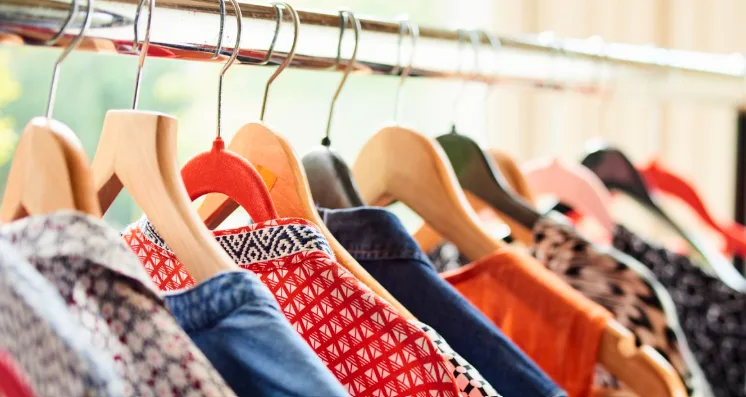
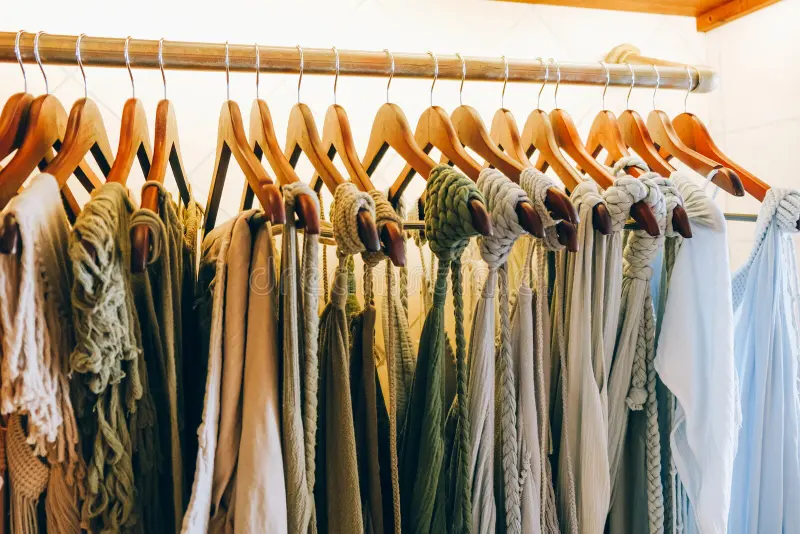
Use wooden or padded hangers for jackets and shirts to maintain their shape. Never hang heavy sweaters, as they will stretch out; instead, fold them neatly in a drawer. If you are storing seasonal apparel, ensure it is clean before packing it away to avoid attracting moths or setting in stains.
Conclusion: Elevating Your Personal Style
Building a wardrobe is a marathon, not a sprint. By prioritizing fabric quality, understanding garment construction, focusing on fit, and maintaining your pieces properly, you can move away from the cycle of disposable fashion and toward a style that is uniquely yours. Remember, the best-dressed individuals aren't necessarily those with the most clothes, but those who have curated a collection of apparel that fits their lifestyle, reflects their personality, and stands the test of time.
As you move forward, start by auditing your current closet. Identify the pieces you reach for most often and analyze why they work. Use the principles outlined in this guide to fill the gaps in your wardrobe with intentional, high-quality choices. Your future self—and your bank account—will thank you.