The Ultimate Guide to Choosing the Best Shoes for Every Occasion: A Comprehensive Handbook
Finding the perfect pair of shoes is more than just a matter of aesthetics; it is an investment in your comfort, posture, and overall health. With thousands of options flooding the market, from high-performance athletic gear to sophisticated formal wear, navigating the world of footwear can be overwhelming. Whether you are an avid runner, a busy professional, or someone looking to upgrade their daily wardrobe, understanding what makes a shoe "the best" is essential.
In this guide, we break down the best types of shoes for various needs, how to select the right fit, and the current trends defining the footwear industry in 2024 and beyond.
Understanding Foot Anatomy and Shoe Fit
Before diving into specific styles, it is crucial to understand that the "best" shoe is subjective based on your foot shape. A shoe that provides excellent support for one person may cause discomfort for another. To find the best fit, consider these three pillars:
- Arch Type: Determine if you have high arches, flat feet, or neutral arches. High arches typically require extra cushioning, while flat feet benefit from motion-control and stability features.
- Width: Many people wear shoes that are too narrow. If your toes feel cramped, look for brands that offer wide-width options.
- Time of Day: Always shop for shoes in the late afternoon. Your feet naturally swell throughout the day, and buying shoes when they are at their largest ensures a comfortable fit during all hours.
The Best Shoes for Athletic Performance
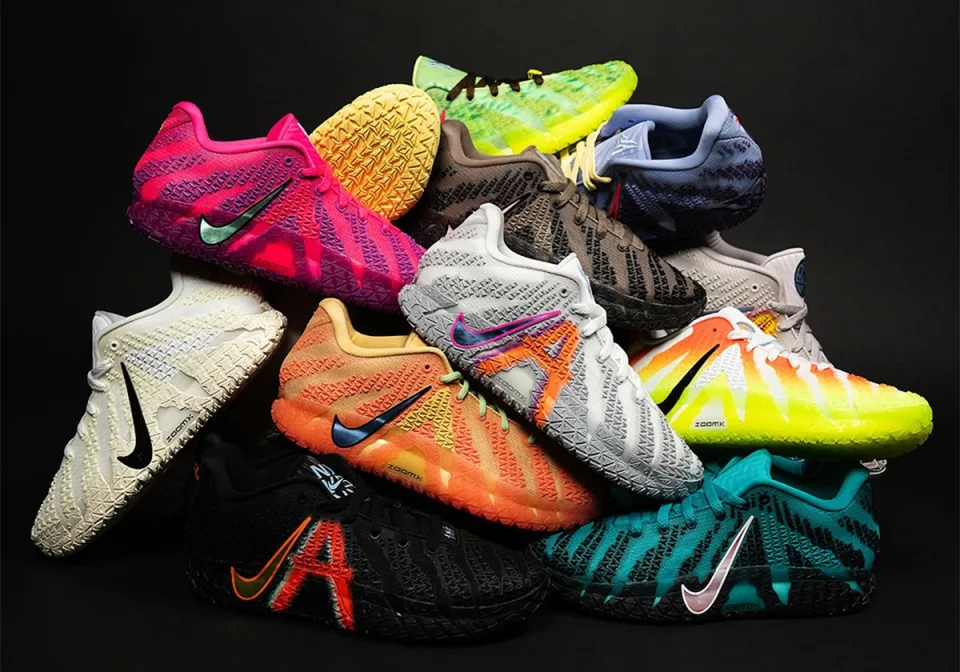
Athletic footwear is a category where technology meets function. The best athletic shoes are engineered to reduce impact, provide energy return, and prevent common sports-related injuries.
Running Shoes: Stability vs. Cushioning
For runners, the choice between stability and cushioning is paramount. Stability shoes are designed for those who overpronate (where the foot rolls inward), while neutral, cushioned shoes are best for those with efficient gaits or high arches. Look for lightweight, breathable mesh uppers and responsive foam midsoles that offer durability over long distances.
Cross-Training Shoes: The Versatile Choice
If your fitness routine involves a mix of weightlifting, HIIT, and agility drills, a dedicated running shoe is not the best choice. Cross-trainers provide a flatter, wider base for stability during squats and deadlifts, combined with enough forefoot flexibility for lateral movements.
Top Footwear Categories at a Glance
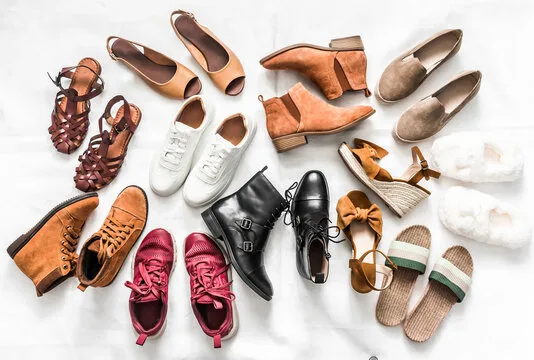
To help you organize your collection, we have categorized the essential types of footwear that every well-rounded wardrobe should include.
| Category | Best For | Key Feature to Look For |
|---|---|---|
| Athletic/Running | Cardio, Long-distance | Shock absorption and arch support |
| Formal/Dress | Work, Weddings, Events | Quality leather and classic silhouette |
| Casual/Sneakers | Daily wear, Errands | Comfort and style versatility |
| Boots | Winter, Hiking, Style | Durability and weather resistance |
How to Choose the Best Formal Shoes
Formal shoes are the anchor of a professional or elegant outfit. While trends come and go, the best formal shoes prioritize timeless design and material quality. When investing in dress shoes, consider these factors:
- Material: Full-grain leather is the gold standard. It is breathable, durable, and develops a beautiful patina over time.
- Construction: Look for "Goodyear welted" shoes. This construction method allows for the sole to be replaced, significantly extending the life of the shoe.
- Sole Type: Leather soles are traditional and look sleek, but rubber-soled dress shoes are becoming increasingly popular for their superior grip and comfort in inclement weather.
The Rise of Sustainable and Eco-Friendly Footwear
One of the most significant trends in the shoe industry is the shift toward sustainability. Consumers are increasingly demanding transparency regarding materials and production processes. The best eco-friendly shoes now utilize:
- Recycled Plastics: Transforming ocean waste into high-performance knit uppers.
- Organic Cotton and Hemp: Reducing the environmental impact of traditional textile manufacturing.
- Bio-based Foams: Replacing petroleum-based plastics with sugarcane or castor bean-derived materials for midsoles.
Investing in sustainable footwear not only helps the planet but often leads to higher-quality products designed to last longer, reducing the need for frequent replacements.
Maintenance Tips to Keep Your Shoes Looking New
Even the best shoes will deteriorate quickly without proper care. Implementing a maintenance routine is the most effective way to protect your investment.
1. Rotation is Key
Never wear the same pair of shoes two days in a row. Shoes need at least 24 hours to air out and allow the materials (especially leather and foam) to regain their shape and dry out completely.
2. Use Shoe Trees
For leather dress shoes and boots, cedar shoe trees are essential. They absorb moisture, neutralize odors, and maintain the shape of the shoe, preventing unsightly creases in the leather.
3. Proper Cleaning Techniques
Avoid throwing sneakers in the washing machine, as the heat and agitation can break down the adhesives. Instead, use a soft-bristled brush, mild soap, and warm water to spot clean. For leather, use a high-quality conditioner to keep the material supple and prevent cracking.
Seasonal Footwear Trends: What to Look For
Footwear trends in the current market are moving toward "functional fashion." We are seeing a blurring of lines between performance gear and high-end streetwear. The "best" trends to watch include:
- Chunky Outsoles: Providing extra height and comfort, chunky soles are dominating both casual sneakers and formal boots.
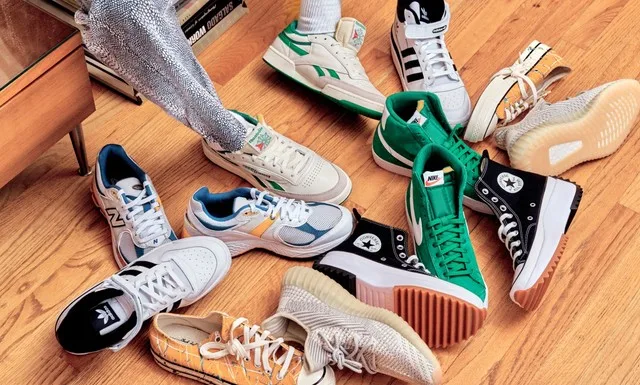
- Retro Revival: Classic silhouettes from the 70s and 90s are making a comeback, often updated with modern, comfortable cushioning technology.
- Tech-Wear Elements: Shoes featuring quick-lace systems, waterproof membranes like Gore-Tex, and reflective materials are becoming standard for urban commuters.
Conclusion: Making the Right Investment
Choosing the best shoes is a balance of function, comfort, and personal style. By understanding your specific needs—whether it is high-impact support for running, durability for work, or style for social occasions—you can make informed decisions that serve you for years to come.
Remember that the price tag is not always the best indicator of quality. Focus on construction methods, material integrity, and how the shoe aligns with your foot anatomy. By prioritizing quality over quantity and maintaining your footwear properly, you will always have the perfect pair ready for any step you take.
Ultimately, the best shoe is the one that allows you to move through your day with confidence, comfort, and ease. Start by evaluating your current collection, identifying the gaps, and investing in versatile, high-quality pieces that will stand the test of time.