The Ultimate Guide to Choosing the Best Shoes for Every Occasion: A Comprehensive Review
Finding the perfect pair of shoes is more than just a fashion statement; it is an investment in your comfort, posture, and long-term foot health. With thousands of options flooding the market—ranging from high-performance athletic trainers to sophisticated formal footwear—navigating the landscape of footwear can be overwhelming. Whether you are an avid runner, a corporate professional, or someone who simply values daily comfort, understanding what makes a shoe "the best" is essential.
In this guide, we break down the best types of shoes for various lifestyles, the technology behind high-quality construction, and expert tips on how to select footwear that keeps you moving pain-free.
Understanding Footwear Anatomy: What Makes a Shoe "The Best"?
Before diving into specific categories, it is crucial to understand the anatomy of a quality shoe. The "best" shoes are not merely about aesthetics; they are engineered with specific components designed to support the mechanics of the human foot.
- The Outsole: The bottom layer that provides traction and durability. High-quality outsoles use rubber compounds that balance grip with wear resistance.
- The Midsole: The heart of the shoe’s comfort. This is where cushioning technologies (like EVA foam, gel inserts, or air pockets) reside to absorb impact.
- The Upper: The top part of the shoe that secures it to your foot. Breathable mesh, premium leather, or recycled knit fabrics determine the shoe’s weight and climate control.
- The Heel Counter: A rigid structure at the back of the shoe that stabilizes the heel and prevents excessive rolling (pronation or supination).
Top Categories of Footwear: Finding Your Perfect Match
To identify the best shoes for your needs, you must categorize them by functionality. Below is a breakdown of the most essential footwear types and what you should look for in each.
1. The Best Running Shoes for Performance
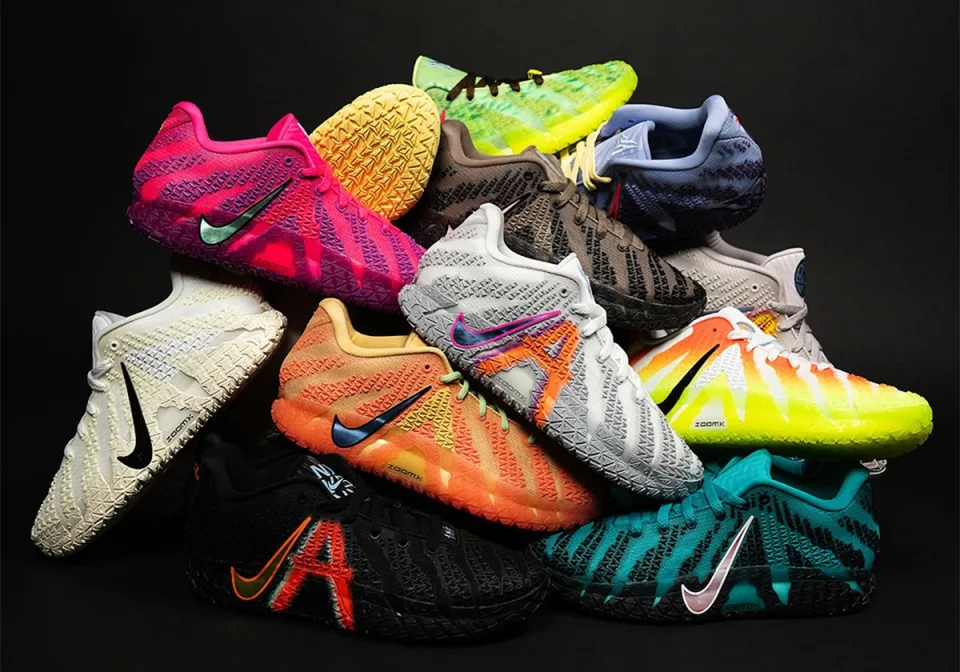
Running shoes are designed for impact absorption and energy return. When shopping for these, focus on your arch type and your gait cycle. If you have flat feet, look for stability shoes; if you have high arches, prioritize cushioning.
2. The Best Walking Shoes for Daily Comfort
Walking shoes differ from running shoes because they require more flexibility in the forefoot. They should be lightweight and feature a breathable upper to prevent moisture buildup during long strolls.
3. The Best Formal Shoes for Professionals
Style should never come at the expense of comfort. The best formal shoes—such as Oxfords, Derbies, or Loafers—should feature high-quality leather that molds to your foot over time and a supportive inner sole that prevents fatigue during long workdays.
4. The Best Casual Sneakers for Versatility
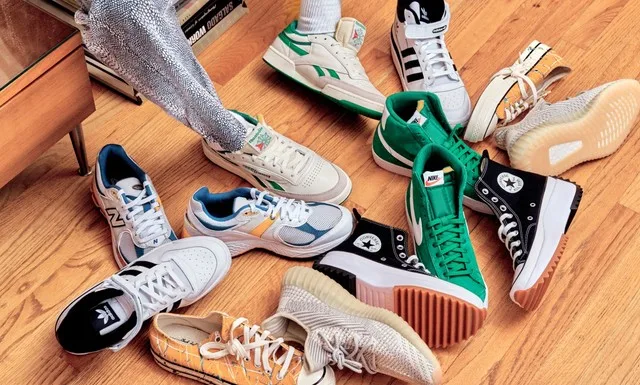
Casual sneakers are the workhorses of your wardrobe. Look for minimalist designs in neutral colors. Durability is key here, as these shoes are intended for frequent, everyday wear.
Comparison Table: Selecting the Right Footwear Type
| Shoe Category | Primary Benefit | Key Feature to Check | Best For |
|---|---|---|---|
| Athletic Running | Shock Absorption | Midsole Cushioning | High-impact cardio |
| Everyday Walking | Flexibility | Forefoot flexibility | Commuting, errands |
| Formal Leather | Professional Aesthetic | Material Quality | Office, formal events |
| Minimalist Casual | Versatility | Outsole durability | Social gatherings |
Expert Tips for Buying the Best Shoes
Even the most expensive pair of shoes will be uncomfortable if they don't fit correctly. Follow these expert tips to ensure your next purchase is a success.
Shop at the Right Time of Day
Did you know your feet actually swell throughout the day? By the afternoon, your feet are at their largest. Always try on new shoes in the late afternoon or evening to ensure you aren't buying a pair that will feel tight by the end of the day.
The Thumb Rule
There should be about a half-inch (roughly the width of your thumb) of space between your longest toe and the front of the shoe. This allows for natural toe splay and prevents blisters during movement.
Don't Rely on "Breaking In"
A common myth is that uncomfortable shoes will eventually become comfortable after you "break them in." While some leather shoes do soften, a shoe should feel comfortable the moment you put it on. If it pinches or causes pressure points in the store, choose a different size or style.
Current Trends in Footwear Technology
The shoe industry is currently undergoing a revolution driven by sustainability and biomechanical innovation. Here are the trends shaping the best shoes on the market today:
- Sustainable Materials: Many top manufacturers are shifting toward recycled ocean plastics, organic cotton, and bio-based foams to reduce their environmental footprint.
- Ergonomic Design: Wide-toe box designs are gaining popularity, as they allow toes to spread naturally, improving balance and reducing bunion formation.
- Smart Footwear: Some athletic shoes now integrate sensors that track cadence, impact force, and foot strike patterns, sending data directly to your smartphone.
Maintaining Your Investment: How to Make Shoes Last Longer
Once you have found the best shoes for your feet, you want them to last as long as possible. Proper care is the secret to longevity.
- Rotate Your Shoes: Avoid wearing the same pair two days in a row. Giving your shoes 24 hours to air out allows the moisture from your feet to evaporate, preventing odor and material degradation.
- Use Shoe Trees: For leather footwear, cedar shoe trees are essential. They help the shoe maintain its shape and absorb excess moisture.
- Clean Regularly: Use a soft brush for suede and a damp cloth for leather. Avoid machine washing your shoes, as the heat and agitation can break down the adhesives holding the shoe together.
- Store Properly: Keep your shoes in a cool, dry place away from direct sunlight, which can cause materials like rubber and leather to crack over time.
The Connection Between Foot Health and Overall Well-being
Your feet are the foundation of your body. When you wear shoes that do not provide adequate support, the misalignment often travels upward. Poor footwear choices are frequently linked to chronic issues such as knee pain, hip discomfort, and lower back strain. By investing in the best shoes that provide proper arch support and cushioning, you are effectively protecting your entire skeletal system.
If you suffer from chronic foot pain, it is always recommended to consult with a podiatrist. They can determine if you have specific biomechanical needs, such as overpronation or flat feet, which might require orthotic inserts in addition to high-quality footwear.
Final Thoughts on Choosing Your Next Pair
Finding the "best" shoes is a highly personal journey that balances style, function, and comfort. By prioritizing quality construction, ensuring a proper fit, and maintaining your footwear with care, you can ensure that every step you take is supported and comfortable.
Remember, the best shoe is the one that allows you to live your life to the fullest without the distraction of foot pain. Whether you are hitting the pavement for a morning run or heading to a boardroom meeting, make your choice with confidence, knowing that a well-fitted shoe is one of the most important tools in your daily arsenal.
Start by evaluating your current collection. Are your soles worn down? Is the cushioning gone? If the answer is yes, use the guidelines above to start your search for your next perfect pair. Your feet will thank you.