The Ultimate Guide to Choosing the Best Toys: A Comprehensive Guide for Every Age and Developmental Stage
Finding the perfect toy is more than just picking something colorful off a shelf. Whether you are shopping for a curious toddler, a creative preschooler, or a tech-savvy pre-teen, the best toys are those that balance entertainment with developmental value. In a market flooded with endless options, navigating the world of play requires a strategic approach. This guide explores how to select the best toys to foster growth, spark imagination, and ensure long-lasting engagement.
Understanding Developmental Milestones: Matching Toys to Age
The most important factor in choosing the best toys is alignment with a child's developmental stage. Toys that are too simple fail to challenge them, while those that are too complex lead to frustration. Here is a breakdown of what to look for at each key stage of childhood:
| Age Range | Developmental Focus | Best Toy Categories |
|---|---|---|
| 0–12 Months | Sensory exploration & motor skills | Soft blocks, rattles, musical mobiles, activity mats |
| 1–3 Years | Gross motor skills & imaginative play | Push-pull toys, simple puzzles, building blocks, dress-up |
| 4–7 Years | Social skills, logic & creativity | Board games, LEGO/construction sets, art supplies, action figures |
| 8+ Years | Critical thinking & complex hobbies | STEM kits, strategy games, complex model building, coding toys |
Top Categories for High-Quality Play
Not all toys are created equal. To get the best value and the highest engagement, experts often categorize the best toys into four primary "pillars of play."
1. Open-Ended Building Toys
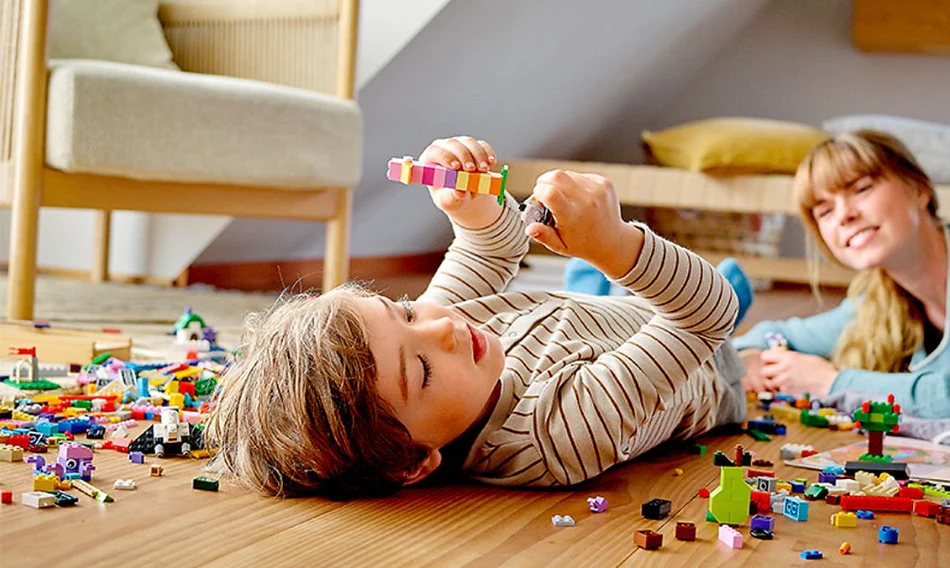
Building sets are the gold standard for long-term play. Unlike toys that do only one thing, building blocks, magnetic tiles, and modular construction sets allow children to create something new every single day. These toys teach spatial awareness, engineering basics, and perseverance. The best part? They grow with the child, becoming more complex as the child’s skill level increases.
2. Imaginative and Role-Play Toys
From kitchen sets to doctor kits, role-play toys are essential for emotional development. They provide a safe environment for children to process their experiences, practice empathy, and develop social language skills. When children engage in "pretend play," they are building the foundation for complex problem-solving later in life.
3. STEM and Educational Toys
STEM (Science, Technology, Engineering, and Math) toys have moved beyond simple flashcards. Modern educational toys focus on hands-on experimentation. Look for kits that involve basic chemistry, programmable robots, or physics-based marble runs. These toys are excellent for children who show an early interest in how the world works, turning "screen time" into "learning time."
4. Active and Outdoor Play
In an increasingly digital world, toys that encourage physical activity are more important than ever. Bicycles, scooters, sports equipment, and climbing structures are not just about burning energy; they are vital for developing balance, coordination, and confidence. The best outdoor toys are those that invite social interaction, such as balls for team sports or collaborative playground gear.
Tips for Selecting the Best Toys for Your Budget
High-quality play does not always require a high price tag. Being a smart consumer in the toy niche involves knowing what to look for beyond the packaging.
- Durability over Quantity: It is better to buy one high-quality, sustainably made wooden toy than five cheap plastic ones that will break within a week. Look for items that can be passed down through siblings.
- The "One-Week Rule": Before purchasing, ask yourself: "Will the child still be interested in this a week from now?" If the toy has only one function, the answer is likely no. If it is open-ended, the answer is yes.
- Read Beyond the Box: Check independent reviews and look for "best of" lists from reputable parenting organizations rather than relying solely on advertisements.
- Avoid "Trend Traps": Popularity is often driven by marketing, not play value. Often, the best toys are the "classics" that have remained popular for decades because they actually work.
Current Trends in the Toy Industry
The toy industry is constantly evolving. As we move further into the decade, three major trends are defining what constitutes the "best" toys on the market:
Sustainable and Eco-Friendly Materials
Parents are increasingly demanding toys made from renewable resources. Natural wood, recycled plastics, and organic cotton are becoming the standard for high-end toy manufacturing. Choosing these toys is not only better for the environment but often results in a more tactile, aesthetically pleasing play experience.
The Rise of "Phygital" Play
The term "phygital" refers to toys that bridge the gap between physical and digital worlds. This includes board games that interact with apps or construction sets that use augmented reality (AR) to bring the creation to life. When used correctly, these toys can teach children digital literacy without sacrificing the tactile joy of physical play.
Inclusive and Diverse Representation
The best toys today reflect the real world. We are seeing a significant shift toward dolls, action figures, and books that feature a diverse range of cultures, abilities, and body types. Providing children with toys that reflect the diversity of the world around them is crucial for fostering inclusivity from a young age.
Safety First: How to Ensure Your Toys are Secure
Regardless of how educational or fun a toy might be, safety is the primary concern. When shopping, always keep these safety pillars in mind:
- Check for Small Parts: For children under three, avoid any toy with small components that could pose a choking hazard. Always verify the age rating on the packaging.
- Material Safety: Look for labels indicating that the toy is BPA-free, lead-free, and non-toxic. This is especially important for infants who explore their world through their mouths.
- Sturdiness: Check for sharp edges, loose strings, or magnets that could detach. A toy should be robust enough to withstand the rough handling that naturally comes with play.
- Battery Security: If a toy requires batteries, ensure the compartment is secured with a screw, especially for toys designed for younger children.
Maximizing the Value of Your Toy Collection
Once you have invested in the best toys, how do you keep the child engaged? One of the most effective strategies is "toy rotation." Instead of leaving every toy available at all times, store a portion of them in a closet and swap them out every few weeks. This makes the toys feel "new" again, reduces clutter in the play area, and encourages children to focus more deeply on the toys currently in rotation.
Additionally, participate in the play. While independent play is vital, children learn the most complex social and cognitive skills when they interact with adults during play. Use the toy as a conversation starter—ask questions about what they are building or why they chose a certain color. This transforms a simple toy into a powerful educational tool.
Conclusion: The Lasting Impact of Great Play
The best toys are those that disappear into the background, leaving the child’s imagination to take center stage. Whether you are looking for building sets that teach engineering, art supplies that spark creativity, or active gear that builds physical health, the goal remains the same: to provide the tools for a happy, healthy childhood.
By focusing on open-ended play, prioritizing quality over quantity, and staying mindful of developmental stages, you can curate a collection of toys that will provide years of joy. Remember, the most expensive toy is not always the best one; the best toy is the one that invites the child to think, dream, and grow.