The Ultimate Guide to Choosing the Best Toys: A Comprehensive Guide for Every Age and Interest
Finding the perfect toy can feel like searching for a needle in a haystack. With thousands of options hitting the market every year, from high-tech gadgets to timeless wooden classics, parents, gift-givers, and collectors often find themselves overwhelmed. However, the best toys are more than just objects; they are tools for development, creativity, and joy. In this guide, we explore how to navigate the vast world of toys, identify what makes a toy "the best," and understand the current trends shaping the industry.
Why Choosing the Right Toy Matters
Play is the fundamental language of childhood. It is how children learn to solve problems, interact with others, and understand the physical world. When you select the best toys, you are doing more than keeping a child occupied; you are investing in their cognitive, physical, and emotional growth.
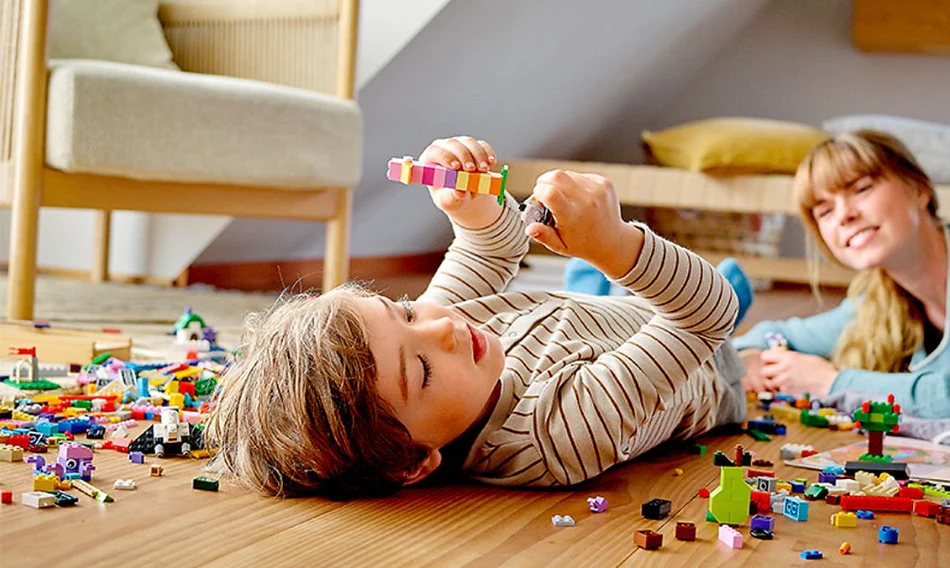
The best toys are those that grow with the child, offering different layers of complexity. A simple set of building blocks, for instance, can be used by a toddler to practice motor skills and by a school-aged child to engineer complex architectural structures. When evaluating a toy, consider these three pillars of play:
- Engagement: Does the toy capture the child's attention for more than a few minutes?
- Durability: Can it withstand the rigors of enthusiastic play?
- Open-endedness: Does it allow for multiple ways to play, rather than just one repetitive action?
Categorizing the Best Toys by Age Group
Developmental needs change rapidly. What fascinates a six-month-old will likely bore a six-year-old. Here is a breakdown of the best categories for each developmental stage.
Infants and Toddlers (0–2 Years)
At this stage, toys should focus on sensory exploration and fine motor skill development. Look for high-contrast colors, varied textures, and safe, non-toxic materials. The best toys for this group include soft stackers, board books, and activity tables that encourage standing and reaching.
Preschoolers (3–5 Years)
This is the golden age of imaginative play. Preschoolers are beginning to mimic the world around them. The best toys here are those that facilitate role-playing, such as play kitchens, dress-up costumes, and tool benches. Additionally, basic construction sets help build early spatial awareness.
School-Aged Children (6–10 Years)
Children in this age bracket thrive on challenges. They are ready for board games that teach strategy, complex LEGO sets, science kits, and sports equipment. The best toys for school-aged kids often involve social interaction, encouraging them to play with friends and siblings.
Comparison Table: Key Toy Categories and Their Benefits
| Category | Primary Benefit | Best For |
|---|---|---|
| STEM/Educational | Problem-solving & Logic | Curious minds and future engineers |
| Active/Outdoor | Physical health & Coordination | High-energy children |
| Creative/Arts | Self-expression & Fine motor skills | Children who enjoy quiet, focused play |
| Imaginative/Role-play | Social skills & Emotional intelligence | Children developing empathy and storytelling |
Current Trends in the Toy Industry
The toy industry is constantly evolving. Staying informed about current trends helps you find the best toys that are not only fun but also relevant to today’s educational standards.
1. Sustainability and Eco-Friendly Materials
Parents are increasingly prioritizing the environment. The best toys today are often made from recycled plastics, sustainably sourced wood, or organic cotton. Look for certifications that guarantee the safety and ethical production of these items.
2. The Integration of Tech and Tactile Play
While screens are prevalent, the "best" toys often bridge the gap between digital and physical. Augmented Reality (AR) sets that bring building blocks to life on a tablet screen are becoming incredibly popular. These toys offer the benefits of technology without sacrificing the tactile joy of building.
3. Inclusive Play
Representation matters. Toy manufacturers are increasingly focusing on diversity, creating dolls, action figures, and playsets that reflect a wide range of abilities, ethnicities, and family structures. These toys help children develop a broader worldview and greater empathy.
Tips for Buying the Best Toys on a Budget
You don't need to break the bank to provide high-quality play experiences. Here are some strategies for finding the best deals:
- Shop Off-Season: Many retailers offer significant discounts on outdoor toys in the winter and indoor educational games in the summer.
- Focus on Versatility: A toy that can be used in ten different ways is a better investment than a single-use electronic toy that loses its appeal quickly.
- Check Second-Hand Markets: High-quality wooden toys and classic board games are often available in excellent condition at resale shops.
- Look for "Classic" Over "Trendy": While licensed toys from popular movies are exciting, they often carry a price premium. Classic toys like puzzles, art supplies, and building sets rarely go out of style.
Safety First: How to Ensure Your Toys are Safe
No matter how educational or fun a toy is, safety is the most important factor. Before purchasing, always inspect the packaging for age-appropriateness labels. These are not suggestions; they are based on safety standards regarding small parts and potential choking hazards.
Additionally, look for the "ASTM" mark, which indicates that the toy has been tested to meet American Society for Testing and Materials standards. Always check for loose buttons, sharp edges, or magnets that could be dangerous if ingested. Regularly inspecting toys for wear and tear is also essential to ensure they remain safe over time.
The Future of Play
As we look ahead, the best toys will continue to be those that balance fun with function. We are seeing a shift toward "Screen-Free Coding," where children learn the basics of programming through physical blocks and robots. This trend emphasizes that even in a digital world, the most effective learning often happens with our hands.
Ultimately, the "best" toy is subjective. It is the one that sparks a light in a child's eyes, invites them to explore, and keeps them coming back for more. Whether it is a simple cardboard box that becomes a spaceship or a complex robotics kit, the value of a toy lies in the memories and skills it helps build.
Conclusion
Choosing the best toys requires a mix of research, understanding the child’s interests, and prioritizing quality over quantity. By focusing on open-ended, durable, and age-appropriate options, you can provide gifts that offer lasting value. Remember, the best toy is one that doesn't just entertain, but inspires. Keep these tips in mind, stay observant of the child’s developing passions, and you will always be able to pick the perfect playmate for their growth journey.
Happy gifting and happy playing!