The Ultimate Guide to Choosing the Best Toys for Every Age and Development Stage
Finding the perfect toy is more than just picking something colorful off a shelf. It is about understanding the intersection of play, development, and joy. Whether you are shopping for a curious toddler, a creative preschooler, or an inquisitive pre-teen, the best toys are those that spark imagination, challenge cognitive abilities, and stand the test of time. In this comprehensive guide, we explore the best categories of toys that offer lasting value, how to select them, and the current trends shaping the toy industry today.
Why Choosing the Right Toy Matters
Toys are the tools of childhood. They serve as the primary medium through which children learn about the world, their own capabilities, and social dynamics. When a child engages with a well-designed toy, they are not just having fun; they are building neural pathways, developing fine motor skills, and practicing problem-solving. Selecting the "best" toy involves looking beyond marketing hype and focusing on the core principles of play: active engagement, open-ended possibilities, and age-appropriateness.
The Best Toy Categories for Holistic Development
To navigate the vast world of toys, it is helpful to categorize them by the type of developmental benefit they provide. Below is a breakdown of the most effective categories for long-term play value.
1. Open-Ended Construction Toys
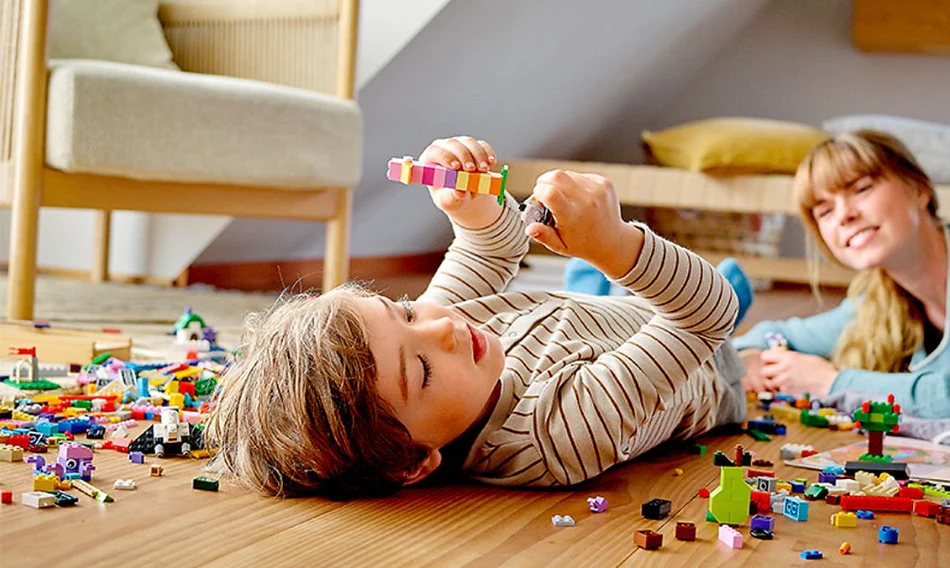
Construction toys are arguably the best investment for any playroom. Unlike toys with a single function, building blocks, magnetic tiles, and modular kits allow children to create, deconstruct, and rebuild infinitely. These toys teach spatial reasoning, engineering basics, and perseverance.
2. Imaginative and Role-Play Sets
Role-play is essential for emotional intelligence. Through play kitchens, dress-up costumes, and action figure scenarios, children process complex social situations, develop empathy, and improve their communication skills. The best role-play toys are those that act as a "blank canvas" for the child’s narrative.
3. STEM-Focused Learning Tools
Science, Technology, Engineering, and Math (STEM) toys have evolved significantly. Modern kits now introduce concepts like basic coding, physics, and robotics in a way that feels like a game. These are excellent for older children who are ready to transition from simple building to logical programming.
4. Active and Outdoor Play Equipment
Physical health is tied to cognitive function. Toys that encourage movement—such as balance bikes, climbing triangles, and sports equipment—are vital for gross motor development and sensory integration.
Comparison Table: Selecting Toys by Developmental Stage
| Age Group | Developmental Focus | Best Toy Types |
|---|---|---|
| Infants (0-12 months) | Sensory & Motor Skills | Soft blocks, high-contrast mobiles, grasping rattles |
| Toddlers (1-3 years) | Coordination & Cause-Effect | Stacking cups, push-along walkers, shape sorters |
| Preschoolers (3-5 years) | Imaginative & Social Play | Dress-up kits, play kitchens, puzzles, art supplies |
| School Age (6+ years) | Logic & Strategic Thinking | Board games, building kits, science experiment sets |
Tips for Selecting High-Quality Toys
As a consumer, navigating the "best" products requires a discerning eye. Here are professional tips to ensure your investment pays off in hours of meaningful play:
- Prioritize Durability: If a toy breaks after a week of use, it fails the "best toy" criteria. Look for high-quality materials like sustainably sourced wood or BPA-free, high-impact plastics.
- The 80/20 Rule of Play: The best toys follow the 80/20 rule: the child should be doing 80% of the work (thinking, moving, creating) while the toy provides only 20% of the stimulus. Avoid toys that do all the talking and moving for the child.
- Check for Versatility: Can the toy be used in multiple ways? A simple set of wooden planks can become a bridge, a tower, a fence for toy animals, or a pattern-making tool.
- Safety First: Always verify age ratings. These ratings are not just suggestions; they are based on safety testing regarding choking hazards and structural integrity.
Current Trends in the Toy Industry
The toy market is constantly shifting. Here are the trends currently dominating the space that parents and gift-givers should be aware of:
Eco-Friendly and Sustainable Materials
There is a massive shift toward environmental responsibility. Parents are increasingly favoring toys made from recycled plastics, organic cotton, and FSC-certified wood. These products are not only better for the planet but often feature a timeless aesthetic that lasts for generations.
The "Analog" Resurgence
In an era of screens, there is a renewed appreciation for analog toys. Board games, intricate jigsaw puzzles, and tactile crafts are seeing a resurgence as families seek ways to connect without digital distractions.
Inclusivity and Representation
The best toys today reflect the diverse world we live in. Manufacturers are producing a wider variety of dolls, action figures, and storybooks that represent different ethnicities, abilities, and family structures, allowing every child to see themselves in their playthings.
How to Maintain and Organize Your Toy Collection
Having the best toys is only half the battle; maintaining them is the other. A cluttered playroom often leads to overwhelmed children who struggle to focus on any single activity.
The Toy Rotation Method
Instead of having every toy available at once, implement a rotation system. Store 70% of the toys in bins and keep only 30% out on shelves. Every two to three weeks, swap the toys. This keeps the environment fresh and makes old toys feel new again, extending their lifespan and reducing the need for constant new purchases.
Proper Storage Solutions
Use clear, labeled bins for smaller pieces like building blocks or action figure accessories. This encourages children to clean up after themselves and prevents pieces from getting lost, which is the most common reason for toys being discarded prematurely.
Conclusion: The Lasting Value of Play
Choosing the best toys is an investment in a child’s growth. By focusing on open-ended, durable, and developmentally appropriate items, you create an environment where children can thrive. Remember that the "best" toy is not always the most expensive one or the one currently trending on social media. It is the toy that invites a child to think, imagine, and grow. Whether you are gifting for a birthday, a holiday, or simply looking to refresh your home’s play area, prioritize quality over quantity, and watch as your children turn simple play into a foundation for their future success.
As you continue to curate your toy collection, keep these principles in mind: encourage creativity, value sustainability, and always leave room for the child’s own imagination to take the lead. Happy playing!