The Ultimate Guide to Choosing the Best Toys for Every Age and Development Stage
Finding the perfect toy is more than just picking something colorful off a shelf. It is about understanding the developmental needs of a child, their unique interests, and the long-term value a plaything brings to their growth. Whether you are shopping for a curious toddler, an imaginative preschooler, or a tech-savvy pre-teen, the market is flooded with options that can make the decision-making process overwhelming.
In this comprehensive guide, we explore the best toys across various categories, focusing on educational value, durability, and engagement. Our goal is to help you navigate the toy aisle with confidence, ensuring that your investment fosters creativity, cognitive development, and, most importantly, hours of joy.
Understanding Developmental Stages in Toy Selection
The most effective toys are those that align with a child’s specific developmental milestones. A toy that is too simple may be ignored, while one that is too complex can lead to frustration. To choose the best toys, you must first understand what children need at different ages.
Infants (0-12 Months): Sensory Exploration
At this stage, toys should focus on sensory stimulation. Look for high-contrast colors, varied textures, and sounds. Soft blocks, rattles, and activity gyms are staples that help develop fine motor skills and hand-eye coordination.
Toddlers (1-3 Years): Cause and Effect
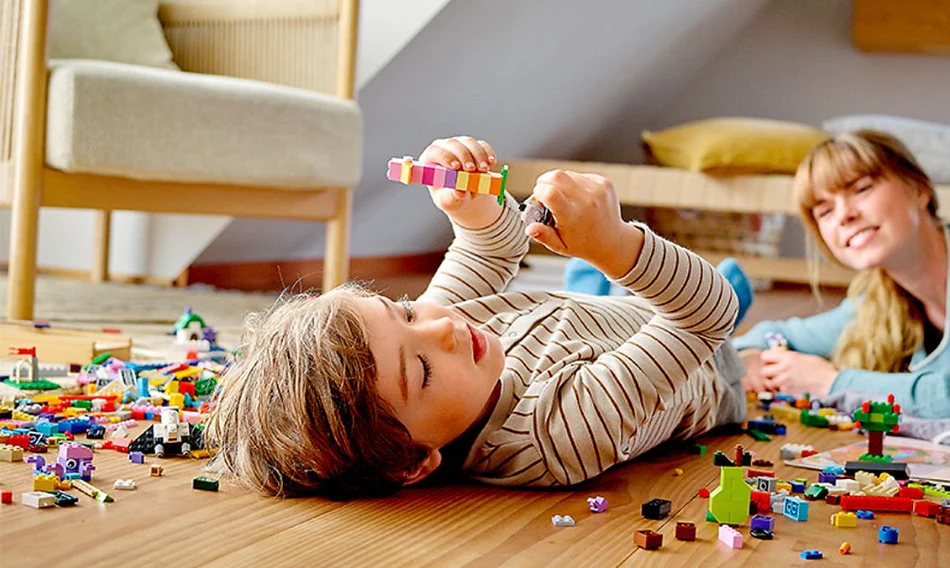
Toddlers are natural explorers. They learn by doing. Toys that allow them to stack, sort, pull, or push are ideal. Building blocks, shape sorters, and push-along toys help develop gross motor skills and spatial awareness.
Preschoolers (3-5 Years): Imaginative Play
This is the golden age of "make-believe." Preschoolers thrive on toys that allow them to role-play and mimic the adult world. Dress-up costumes, kitchen sets, and art supplies are essential for developing social-emotional skills and creativity.
School-Age (6-12 Years): Strategy and Logic
As children grow, their attention span increases, and their interest in complex systems emerges. Science kits, intricate building sets, board games, and introductory coding robots are perfect for challenging their growing minds.
Comparison of Toy Categories: What Offers the Best Value?
When evaluating the best toys, it is helpful to categorize them based on the type of play they encourage. The following table breaks down popular categories and their primary benefits.
| Category | Best For | Developmental Benefit |
|---|---|---|
| STEM/Educational | Logic & Problem Solving | Enhances critical thinking and math skills. |
| Open-Ended Toys | Creativity & Imagination | Encourages independent, non-prescriptive play. |
| Active/Outdoor | Physical Health | Builds gross motor skills and stamina. |
| Board Games | Social Interaction | Teaches sportsmanship, patience, and strategy. |
| Arts & Crafts | Fine Motor Skills | Improves hand-eye coordination and self-expression. |
Top Trends in the Toy Industry for 2024 and Beyond
The toy industry is constantly evolving. Staying informed about current trends can help you choose gifts that feel modern and exciting. Here are the top trends currently shaping the best toy selections:
- Eco-Friendly Materials: Parents are increasingly prioritizing sustainability. Toys made from FSC-certified wood, recycled plastics, and organic cotton are becoming the gold standard.
- Screen-Free Tech: There is a growing movement toward "smart" toys that do not require a tablet or smartphone. These toys use sensors and simple electronics to provide interactive experiences without the blue light.
- Inclusivity and Representation: Modern toy lines are placing a greater emphasis on diversity, offering dolls and action figures that represent a wide range of abilities, cultures, and body types.
- Hybrid Play: The intersection of physical and digital play—where a physical toy interacts with a game interface—remains a popular choice for older children who enjoy a multi-sensory experience.
Tips for Buying the Best Toys on a Budget
You do not need to break the bank to provide high-quality play experiences. Smart shopping involves looking for longevity and versatility rather than just the latest fad.
1. Prioritize Open-Ended Toys
Toys like wooden blocks, silk scarves, or plain figurines can be anything a child wants them to be. Because these toys don't have a single "purpose," they are rarely discarded after a few uses, providing excellent long-term value.
2. Shop Off-Season
Retailers often clear out inventory after major holidays. Buying outdoor toys in the autumn or indoor activity sets in the spring can save you a significant amount of money.
3. Look for "Grow-With-Me" Designs
Some of the best investments are toys that adapt to a child's age. For example, a tricycle that converts into a balance bike, or a building set that starts as simple towers and evolves into complex architecture as the child matures.
4. Check for Durability
Read reviews focusing on material quality. A cheaper toy that breaks after one week is more expensive in the long run than a slightly higher-priced toy that lasts for years.
The Importance of Safety Standards
Regardless of how fun or educational a toy is, safety must always come first. When shopping, keep these three safety pillars in mind:
- Age Grading: Always follow the manufacturer's age recommendations. These are not suggestions; they are based on safety testing regarding choking hazards and small parts.
- Material Safety: Ensure that plastic toys are BPA-free and that paints used on wooden toys are non-toxic and lead-free.
- Battery Security: For toys using button batteries, ensure the battery compartment is secured with a screw to prevent accidental ingestion, which is a major safety concern for young children.
How to Organize and Maintain Your Toy Collection
The best toys are the ones that actually get played with. A cluttered toy room can lead to "decision paralysis," where a child feels overwhelmed and chooses not to play at all.
Implement a Toy Rotation System: Instead of having every toy accessible at once, store half of them in a closet. Rotate the toys every few weeks. This keeps the environment fresh and exciting, and children often rediscover "old" toys with newfound enthusiasm.
Use Clear Storage Bins: Categorizing toys by type (e.g., blocks, cars, art supplies) makes cleanup easier and helps children understand how to organize their space. Clear bins allow them to see what is available without dumping everything onto the floor.
Conclusion: Choosing Toys That Last a Lifetime
Selecting the best toys is an investment in a child’s future. By focusing on quality over quantity, prioritizing open-ended play, and staying mindful of developmental milestones, you can curate a collection that supports growth and sparks imagination. Whether you are choosing a simple set of wooden blocks or an advanced science kit, remember that the most important element of any toy is the joy it brings to the child.
As you browse for your next purchase, keep these principles in mind. The goal is to provide tools that allow children to explore the world, solve problems, and express their unique personalities. With the right approach, every toy becomes an opportunity for learning and discovery.