The Ultimate Guide to Choosing the Best Toys: Trends, Developmental Benefits, and Buying Tips
Choosing the right toy is more than just picking something colorful off a shelf. For parents, educators, and gift-givers, selecting the best toys involves understanding child development, safety standards, and the long-term value of play. In an era dominated by digital screens, finding toys that foster creativity, physical activity, and cognitive growth is more important than ever.
This comprehensive guide explores the best categories of toys that stand the test of time, current market trends, and essential tips to help you make informed purchasing decisions that provide joy and educational value to children of all ages.
Why Play Matters: The Developmental Impact of Toys
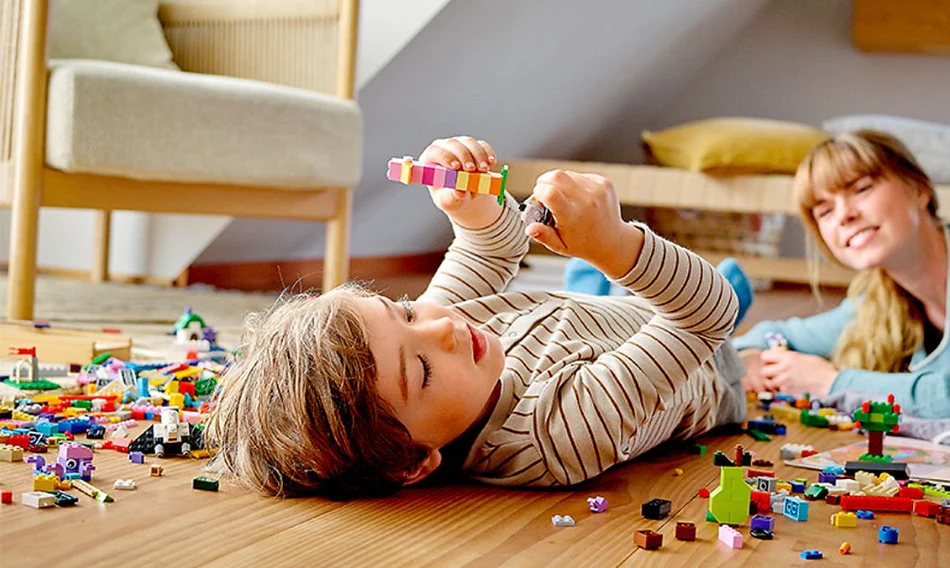
Play is the "work" of childhood. Through toys, children learn to navigate the world, solve problems, and express emotions. The best toys are those that provide "open-ended" play—meaning they can be used in multiple ways, encouraging a child's imagination rather than dictating how the toy should be used.
Key Developmental Benefits of Quality Toys
- Cognitive Development: Puzzles, building blocks, and strategy games enhance critical thinking, spatial awareness, and memory.
- Social and Emotional Growth: Role-playing toys, such as dolls or play kitchens, help children develop empathy, communication skills, and conflict resolution.
- Physical Coordination: Active toys, including sports equipment, ride-on toys, and climbing structures, improve gross and fine motor skills.
- Creativity and Innovation: Art supplies, musical instruments, and construction sets allow children to express their individuality and experiment with new ideas.
Top Categories of Toys for Holistic Growth
When searching for the best toys, it is helpful to categorize them based on the type of stimulation they provide. Below is a breakdown of the most impactful categories that remain staples in child development.
| Category | Best For | Developmental Focus |
|---|---|---|
| Construction Sets | Ages 3+ | Spatial reasoning, patience, and engineering skills. |
| STEM/STEAM Kits | Ages 6+ | Scientific inquiry, logic, and technological literacy. |
| Open-Ended Imaginative Play | Ages 2-8 | Creativity, storytelling, and emotional intelligence. |
| Active/Outdoor Gear | All Ages | Physical health, coordination, and stamina. |
| Board Games | Ages 5+ | Social interaction, turn-taking, and strategy. |
Current Trends in the Toy Industry
The toy industry is constantly evolving. As we move further into the decade, several trends are shaping what parents are looking for in the best toys for their children.
1. Sustainable and Eco-Friendly Materials
There is a significant shift toward wooden toys, recycled plastics, and biodegradable materials. Parents are increasingly prioritizing toys that are not only durable but also environmentally responsible. Sustainable toys often have a timeless aesthetic and are built to be passed down through generations, reducing waste.
2. The Rise of "Tech-Lite" Toys
While screen-based toys are popular, there is a growing counter-movement toward "tech-lite" toys. These are toys that use technology to enhance play—such as interactive coding robots or augmented reality science kits—without relying solely on passive screen time. The goal is to keep the child physically active and mentally engaged.
3. Focus on Inclusivity and Representation
Modern toy design is increasingly reflecting the diversity of the world. Dolls with varying abilities, diverse cultural backgrounds, and non-traditional career roles are becoming the standard. This inclusivity helps children develop a broader understanding of the world and fosters a sense of belonging.
Essential Tips for Buying the Best Toys
With thousands of options available, the shopping process can feel overwhelming. Follow these expert tips to ensure you are selecting high-quality, safe, and engaging toys.
Check the Age Appropriateness
Age ratings on packaging are not just suggestions; they are based on safety and developmental readiness. A toy designed for an eight-year-old may contain small parts that pose a choking hazard to a toddler, or it may be too complex, leading to frustration rather than learning.
Prioritize Durability
The best toys are those that can withstand the rigors of play. Look for sturdy construction, non-toxic finishes, and quality materials. While it may be tempting to buy the cheapest option, a well-made toy will last longer and provide more value over time.
Read Reviews and Look for Peer Recommendations
Before purchasing, look for reviews that mention long-term engagement. Does the child play with it for a week and then discard it, or does it remain a staple in their toy box? Real-world feedback from other parents is often more valuable than marketing copy.
Focus on "Low Tech, High Engagement"
Often, the best toys are the simplest ones. Blocks, balls, art supplies, and dress-up clothes are frequently the most played-with items in a home. These toys require the child to do the work, which stimulates the brain far more than a toy that simply lights up and makes noise on its own.
Safety First: A Checklist for Parents
Safety is the most critical factor when selecting toys. Always ensure that the items you purchase meet local safety standards. Keep the following checklist in mind:
- Check for small parts: If you have children under three, avoid any toy with small pieces that could be swallowed.
- Inspect for sharp edges: Ensure that plastic or wooden toys do not have rough, splintered, or sharp edges.
- Battery safety: If a toy requires batteries, ensure the compartment is secured with a screw that a child cannot easily open.
- Avoid toxic materials: Look for labels indicating "non-toxic," "lead-free," and "BPA-free," especially for toys that might end up in a child's mouth.
Curating the Perfect Toy Collection
You do not need an entire room full of toys to keep a child entertained and developing well. In fact, research suggests that having too many toys can actually decrease the quality of play, as children become overwhelmed and less focused. Instead, focus on a curated collection of "best-in-class" toys that serve different purposes.
Building a Balanced Toy Library
A balanced collection should ideally include at least one item from each of the following categories:
- A Building Set: Blocks, magnetic tiles, or interlocking bricks.
- An Artistic Medium: High-quality crayons, modeling clay, or drawing pads.
- A Physical Challenge: A ball, a jump rope, or a balancing board.
- A Social/Cooperative Game: A simple card game or a board game that encourages interaction.
- A Creative Prop: Items for imaginative play, such as capes, puppets, or toy medical kits.
Conclusion: Investing in Play
The best toys are investments in a child's future. By choosing items that challenge their minds, encourage their creativity, and support their physical development, you are providing them with the tools they need to grow into capable, curious individuals. Remember that the value of a toy is not found in its price tag or its brand name, but in the hours of discovery, laughter, and learning it facilitates.
Whether you are shopping for a birthday, a holiday, or simply looking to refresh your child’s play environment, keep these principles in mind: prioritize safety, look for open-ended play potential, and choose quality over quantity. With this approach, you will build a toy collection that truly enriches your child's life for years to come.