The Ultimate Guide to Choosing the Best Toys: Trends, Developmental Benefits, and Expert Buying Tips
Choosing the best toys for children is more than just a trip to the store; it is an investment in a child’s cognitive, social, and physical development. With the toy industry constantly evolving, parents and gift-givers often find themselves overwhelmed by the sheer volume of options. Whether you are looking for educational tools, screen-free entertainment, or the latest tech-integrated playthings, understanding how to select the right toys can make a significant difference in a child’s growth.
In this guide, we explore the best categories of toys, current market trends, and essential tips to help you make informed decisions that bring both joy and value to playtime.
Understanding the Developmental Impact of Toys
Toys are the tools of childhood. When a child plays, they are not just having fun; they are learning how the world works. The best toys are those that encourage open-ended play, allowing children to use their imagination rather than following a rigid set of rules.
Cognitive and Motor Skill Development
For younger children, toys that focus on sensory experiences and motor skills are essential. Blocks, puzzles, and shape sorters help develop hand-eye coordination and spatial reasoning. As children grow, board games and strategy-based toys foster critical thinking, patience, and logical reasoning.
Social and Emotional Growth
Toys that encourage role-playing—such as kitchen sets, dress-up costumes, or dolls—help children practice empathy and communication. These toys allow them to simulate real-life scenarios, helping them process emotions and learn how to interact with peers in a safe environment.
Top Categories of Best Toys in 2024
To navigate the market effectively, it helps to categorize toys by their primary function. Below is a breakdown of the most impactful toy categories currently trending among educators and child development experts.
| Category | Best For | Developmental Benefit |
|---|---|---|
| STEM/STEAM Kits | Ages 6+ | Logic, problem-solving, and scientific curiosity. |
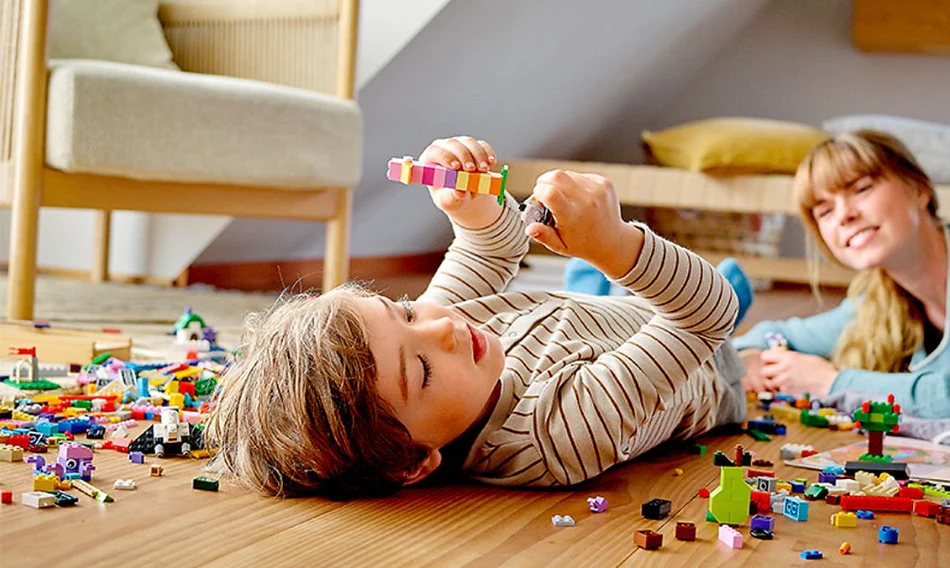
| Open-Ended Building Sets | Ages 3+ | Creativity, spatial awareness, and focus. |
| Art & Creative Supplies | Ages 2+ | Fine motor skills and self-expression. |
| Active/Outdoor Play | All Ages | Physical health, coordination, and stamina. |
| Board & Card Games | Ages 5+ | Social skills, turn-taking, and strategy. |
How to Choose the Best Toys: Expert Buying Tips
Selecting the right toy requires a balance between what a child wants and what they actually need for their developmental stage. Here are four expert tips to guide your next purchase.
1. Prioritize Open-Ended Play
The best toys are often the simplest ones. Toys that can be used in multiple ways—like a set of magnetic tiles or a basic wooden train set—have a longer lifespan than toys with a single function. If a toy can only do one thing, a child will likely lose interest within days.
2. Check for Durability and Safety
Safety is non-negotiable. Always check age recommendations and look for non-toxic materials. Furthermore, consider the durability of the product. Investing in high-quality materials, such as solid wood or reinforced non-toxic plastics, ensures the toy can withstand years of enthusiastic play and potentially be passed down to siblings.
3. Match the Toy to the Child’s Interests
Observe what the child is naturally drawn to. Do they love animals? Are they obsessed with how things move? Do they enjoy building structures? Tailoring a gift to their specific interests increases the likelihood that they will engage with the toy deeply rather than casting it aside.
4. Limit Electronic Dependency
While tech-integrated toys have their place, excessive screen time or toys that do all the "thinking" for the child can stifle creativity. The best toys often require the child to be the active participant, providing the movement, the sounds, and the story themselves.
Emerging Trends in the Toy Industry
The toy market is currently undergoing a shift toward sustainability and inclusivity. Here is what to watch for when shopping this year.
- Eco-Friendly Materials: Parents are increasingly seeking toys made from recycled plastics, sustainably sourced wood, or organic fabrics. This shift not only benefits the environment but also provides safer, non-toxic options for children.
- Inclusive Representation: There is a growing emphasis on toys that reflect diverse backgrounds, abilities, and family structures. These toys help children develop a broader understanding of the world around them.
- Intergenerational Play: We are seeing a resurgence in classic board games and puzzles designed to be enjoyed by the whole family, bridging the gap between generations and encouraging quality bonding time.
The Importance of Organizing and Rotating Toys
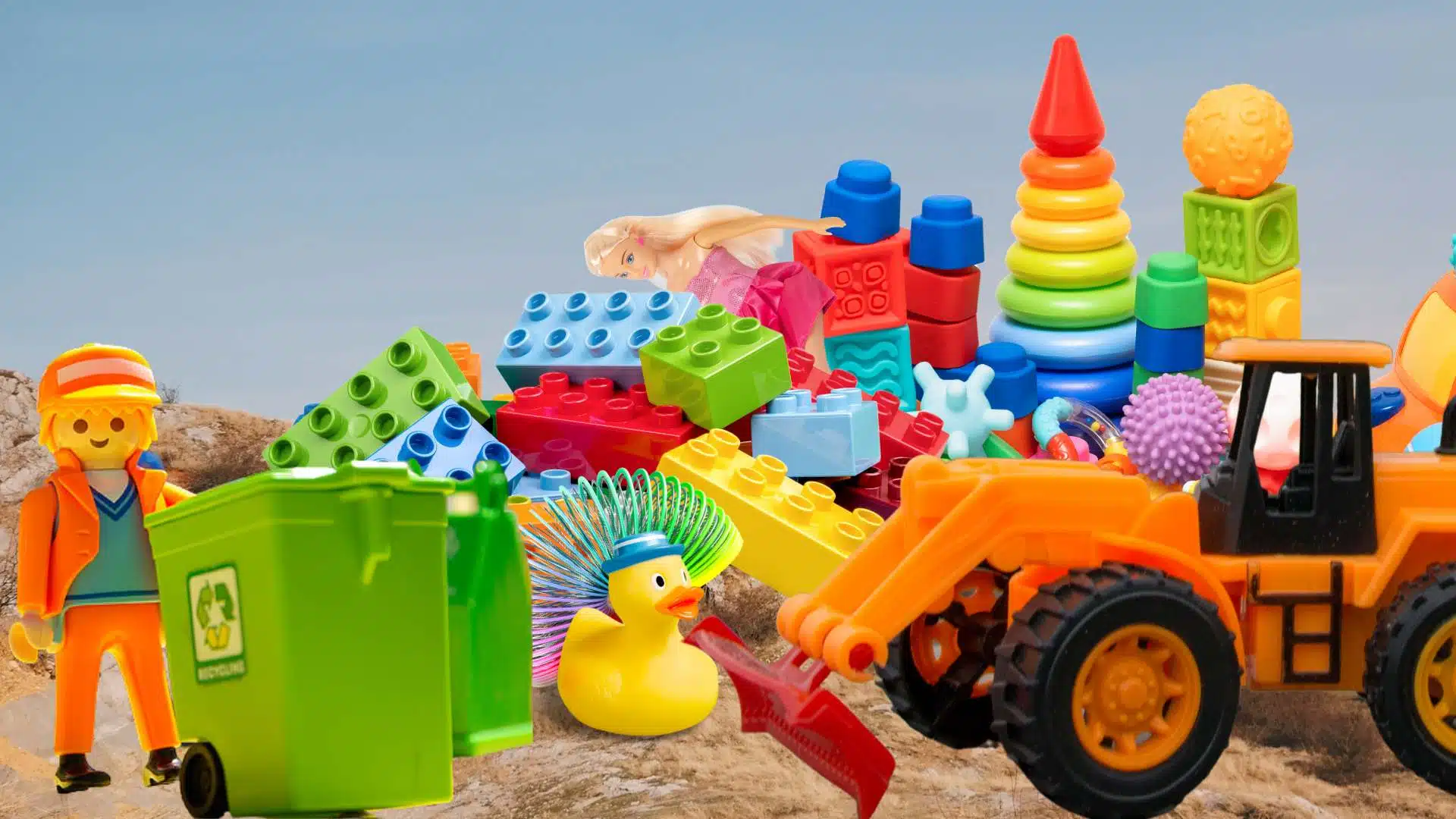
Having too many toys out at once can lead to "play paralysis," where a child feels overwhelmed and struggles to focus on any single activity. One of the best strategies for parents is to implement a toy rotation system.
By keeping a portion of the toys in storage and rotating them every few weeks, you keep the environment fresh and exciting. This not only prevents clutter but also helps children rediscover their toys, sparking new interest in items they had previously ignored. This practice also makes clean-up easier and helps children learn to appreciate the toys they have.
Final Thoughts on Investing in Quality Play
When searching for the best toys, remember that the value of a toy is measured by the quality of the play it inspires, not the price tag. Whether it is a simple set of crayons or a complex engineering kit, the goal is to provide children with the tools they need to explore, create, and grow.
By focusing on open-ended designs, prioritizing safety, and observing the unique interests of the child, you can curate a collection of toys that will provide years of entertainment and developmental benefits. Ultimately, the best toys are the ones that foster a lifelong love of learning and discovery.
Frequently Asked Questions About Choosing Toys
What are the best toys for sensory development?
Sensory bins, kinetic sand, textured blocks, and musical instruments are excellent for stimulating the senses and helping children process sensory input effectively.
How do I know if a toy is safe for my child?
Always check for the age-appropriateness label. Avoid toys with small parts for children under three, and ensure that the toy meets international safety standards (such as ASTM or EN71) to ensure the materials are free from harmful chemicals.
Are expensive toys always better?
Not necessarily. Many of the best toys are inexpensive, low-tech items like art supplies, building blocks, or outdoor equipment. Expensive toys often come with brand premiums or complex electronics that may not offer more educational value than simpler alternatives.
As you continue your journey in selecting the best toys, keep these principles in mind: simplicity, engagement, and safety. By doing so, you will ensure that playtime remains a cherished and productive part of childhood.