The Ultimate Guide to Choosing the Perfect Pair of Shoes: Comfort, Style, and Functionality
Finding the perfect pair of shoes is more than just a matter of aesthetics; it is a fundamental necessity for your overall health and daily comfort. Whether you are an athlete looking for performance-enhancing footwear, a professional seeking polished office shoes, or someone who values comfort above all else, the sheer variety of options on the market can be overwhelming. This comprehensive guide will walk you through everything you need to know to make an informed decision when buying shoes.
Understanding Your Foot Type: The Foundation of Comfort
Before you even look at a style or color, you must understand your own anatomy. Not all feet are created equal, and wearing the wrong type of shoe for your foot shape can lead to long-term issues like plantar fasciitis, bunions, and chronic back pain.
The Three Primary Arch Types
- Low Arches (Flat Feet): If your feet tend to roll inward (overpronation), you need shoes with extra stability and motion control to keep your feet aligned.
- Neutral Arches: If your feet have a normal arch and a balanced stride, you have the luxury of choosing from a wide range of shoes, though cushioning is still recommended for comfort.
- High Arches: High arches often cause the foot to roll outward (supination). You should look for shoes with significant cushioning and flexibility to absorb shock, as your feet do not naturally absorb impact well.
A Quick Reference: Shoe Categories for Every Occasion
Selecting the right shoe depends heavily on the activity. Use the table below to determine which category fits your lifestyle needs.
| Category | Primary Benefit | Best For |
|---|---|---|
| Athletic/Running | Shock absorption & support | Exercise, long walks, gym |
| Dress Shoes | Aesthetics & professionalism | Formal events, office settings |
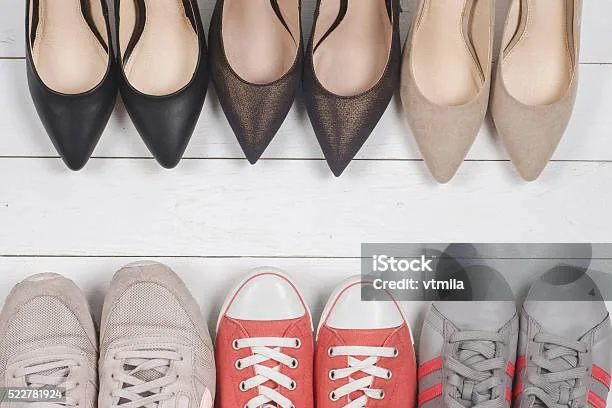
| Casual/Sneakers | Versatility & comfort | Daily errands, social outings |
| Boots | Protection & durability | Winter, hiking, rugged terrain |
| Sandals/Slides | Breathability | Beach, summer, indoor use |
How to Choose the Right Size: It’s Not Just About the Number
Many people wear the wrong shoe size without realizing it. Feet tend to swell throughout the day due to gravity and physical activity. To ensure the best fit, follow these professional tips:
- Shop in the afternoon: Your feet are at their largest after a full day of walking. This is the ideal time to try on new shoes to prevent buying a pair that feels tight later in the day.
- Measure both feet: Most people have one foot slightly larger than the other. Always fit your shoes to the larger foot.
- The Thumb Rule: There should be approximately half an inch (the width of your thumb) of space between your longest toe and the front of the shoe.
- Check the width: If the sides of your feet are bulging over the soles, the shoe is too narrow, regardless of the length.
Material Matters: Leather, Synthetic, or Mesh?
The material of your shoe dictates its durability, breathability, and how it ages. Choosing the right material is essential for longevity.
Natural Materials
Leather is the gold standard for dress shoes and high-quality boots. It is durable, moldable to the foot, and breathable. However, it requires regular maintenance and protection from water. Suede is another popular choice, offering a soft, sophisticated texture, though it is notoriously difficult to clean.
Synthetic and Technical Materials
Modern athletic shoes rely on synthetic meshes and specialized foams. Mesh is lightweight and highly breathable, making it perfect for running. Synthetic leathers and rubbers are often used for weatherproofing, providing a barrier against the elements that natural leather cannot easily match without heavy treatment.
Seasonal Shoe Rotation: A Practical Approach
Your shoe collection should adapt to the seasons. A smart rotation not only keeps your feet comfortable but also extends the lifespan of your footwear.
Spring and Summer
Prioritize breathability. Lightweight sneakers, canvas shoes, and sandals allow air circulation, preventing moisture buildup and fungal growth. Look for moisture-wicking linings or removable insoles that can be washed.
Autumn and Winter
Focus on insulation and traction. Boots with rubber outsoles provide better grip on slippery surfaces. If you live in a cold climate, ensure your winter footwear has adequate space for thicker socks without restricting circulation, as tight shoes will make your feet colder.
Essential Maintenance Tips for Longevity
Even the most expensive pair of shoes will fail if neglected. Follow these maintenance habits to keep your investment in top shape:
- Rotate your shoes: Never wear the same pair two days in a row. Shoes need at least 24 hours to dry out from the moisture generated by your feet.
- Use shoe trees: For leather shoes, cedar shoe trees help maintain the shape and absorb excess moisture and odor.
- Clean immediately: Don’t let mud or salt sit on your shoes. Wipe them down after use, especially during winter months.
- Store properly: Keep shoes in a cool, dry place away from direct sunlight, which can cause materials to crack and colors to fade.
Common Mistakes to Avoid When Buying Shoes
Avoid these common pitfalls to ensure your next purchase is a success:
- Prioritizing style over fit: A beautiful shoe that hurts is a useless shoe. Never compromise on comfort for the sake of trends.
- Assuming they will "stretch out": While some leather shoes do soften over time, never buy a shoe expecting it to significantly increase in size. If it doesn't feel comfortable in the store, don't buy it.
- Ignoring the socks: When trying on shoes, wear the type of socks you intend to wear with them. A hiking boot will feel very different with thin dress socks compared to thick wool socks.
Conclusion: Investing in Your Mobility
Your feet are the foundation of your body. Investing in quality shoes is not an indulgence; it is a necessity for maintaining your mobility and health as you age. By understanding your arch type, choosing the right materials, and keeping your collection well-maintained, you can ensure that every step you take is supported, comfortable, and stylish.
Remember, the best shoe is the one that fits your lifestyle and your anatomy perfectly. Take your time, measure accurately, and don't be afraid to try on multiple sizes to find that perfect fit. Happy walking!