The Ultimate Guide to Choosing the Perfect Pair of Shoes: Comfort, Style, and Functionality
Finding the perfect pair of shoes is more than just a matter of aesthetics. Whether you are an athlete, a busy professional, or someone who loves to explore the outdoors, your footwear serves as the foundation for your daily activities. A poor choice in footwear can lead to chronic pain, posture issues, and long-term foot health problems. Conversely, the right pair can enhance your performance, boost your confidence, and keep you comfortable throughout the longest days.
In this comprehensive guide, we will walk you through everything you need to know about selecting the right shoes for your specific needs, foot type, and lifestyle.
Understanding Your Foot Type
Before you even look at a style or a color, you must understand your foot anatomy. Not all feet are created equal, and wearing shoes that don't accommodate your specific arch or width is the fastest way to invite discomfort.
The Wet Test: Determining Your Arch
One of the easiest ways to determine your arch type is the "wet test." Dip the sole of your foot in water and step onto a piece of cardboard or a dark floor. Observe the imprint:
- High Arches: You will see only your heel and the ball of your foot. High arches often require extra cushioning to absorb shock.
- Neutral/Normal Arches: You will see a distinct curve along the inside of your foot. You have a wide range of shoe options, but look for stability.
- Flat Feet: You will see almost your entire footprint. This indicates overpronation, where your foot rolls inward. You need shoes with strong motion control and arch support.
Categorizing Shoes by Function
Shoes are specialized tools. Using a hiking boot for a formal gala or a dress shoe for a marathon is a recipe for disaster. Here is a breakdown of the primary shoe categories and what to look for in each.
| Category | Primary Feature | Best For |
|---|---|---|
| Athletic/Running | Cushioning & Breathability | Exercise, cardio, daily walking |
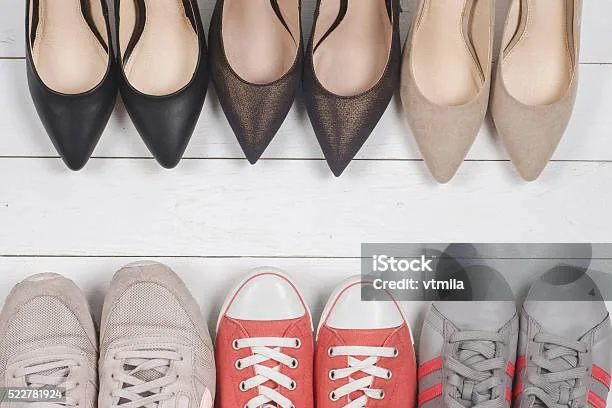
| Dress Shoes | Structure & Aesthetics | Formal events, office settings |
| Casual/Sneakers | Versatility & Comfort | Daily errands, social outings |
| Outdoor/Hiking | Traction & Durability | Trekking, uneven terrain |
| Work/Safety | Protection & Support | Construction, industrial labor |
Key Features to Evaluate Before Buying
When you are in the store or browsing online, don't just focus on the design. Evaluate these four critical components of shoe construction:
1. The Outsole
The outsole is the bottom of the shoe that makes contact with the ground. Look for high-quality rubber or synthetic compounds. If you are buying for outdoor use, look for deep lugs (the bumps on the sole) to provide grip. For indoor use, a flatter, smoother sole is usually sufficient.
2. The Midsole
This is where the magic happens. The midsole is responsible for shock absorption. Materials like EVA (Ethylene-Vinyl Acetate) or polyurethane are standard. If you spend long hours standing, prioritize shoes with thick, responsive midsoles to protect your joints.
3. The Upper
The upper is the part of the shoe that covers the top of your foot. Breathability is key here. Mesh uppers are excellent for athletic shoes, while leather or suede uppers are better for formal shoes where durability and structure are preferred.
4. The Heel Counter
The heel counter is the rigid cup at the back of the shoe that holds your heel in place. A good heel counter prevents your foot from slipping and provides essential ankle stability.
Essential Tips for the Perfect Fit
Many people wear the wrong shoe size without realizing it. Follow these professional tips to ensure your next purchase fits like a glove:
- Shop in the afternoon: Your feet naturally swell throughout the day. If you try on shoes in the morning, they may feel too tight by the evening.
- Wear the right socks: Always try on shoes while wearing the type of socks you intend to use with them. A pair of thick hiking socks will change the fit significantly compared to thin dress socks.
- The Thumb Rule: There should be about a thumb’s width of space between your longest toe and the front of the shoe.
- Check the width: Don't just focus on length. If the sides of your feet are bulging over the edge of the insole, you need a wider size (often labeled as "Wide" or "EE").
- Walk around: Never buy a shoe based on how it feels while sitting. Walk around the store, test the flexibility, and ensure there is no heel slippage.
Shoe Maintenance: Extending the Life of Your Footwear
Once you have invested in a quality pair of shoes, you want them to last. Proper maintenance is essential for both hygiene and longevity.
Rotation is Key
Never wear the same pair of shoes two days in a row. Shoes need at least 24 hours to dry out from the moisture generated by your feet. Rotating between two or three pairs will significantly extend the life of the materials.
Cleaning Techniques
Different materials require different care:
- Leather: Wipe with a damp cloth and use a leather conditioner periodically to prevent cracking.
- Mesh/Synthetic: Use a soft-bristled brush and mild soapy water. Avoid putting them in the washing machine, as the heat can degrade the adhesives.
- Suede: Use a dedicated suede brush to remove dirt. Avoid water, which can stain the material.
Storage
Store your shoes in a cool, dry place away from direct sunlight. Using shoe trees (especially for leather dress shoes) helps maintain the shape and absorbs excess moisture.
Identifying Signs It’s Time for Replacement
Even the most expensive shoes have a shelf life. Continuing to wear worn-out shoes can lead to foot, knee, and back pain. Replace your shoes if you notice any of the following:
- Uneven wear on the sole: If the tread is worn down significantly on one side, it indicates your gait is being compromised.
- Loss of cushioning: If you feel the ground more than usual or experience foot fatigue quickly, the midsole has likely compressed and lost its shock-absorbing properties.
- Structural breakdown: If the heel counter has collapsed or the upper material is tearing, the shoe can no longer provide the support your foot needs.
- Consistent pain: If your feet hurt after wearing a specific pair that used to be comfortable, it is a clear signal that the internal structure has failed.
The Future of Footwear: Trends to Watch
The shoe industry is constantly evolving. As you look for your next pair, keep an eye on these emerging trends:
Sustainability
More manufacturers are focusing on eco-friendly materials, such as recycled plastics, organic cotton, and bio-based foams. Choosing sustainable footwear doesn't mean sacrificing quality; many of these new materials are just as durable as traditional ones.
Smart Footwear
We are seeing an increase in "smart" shoes equipped with sensors that track your gait, pressure points, and activity levels. While not necessary for everyone, these can be a game-changer for athletes looking to optimize their performance or individuals recovering from foot injuries.
Versatility
The line between "formal" and "casual" is blurring. Modern designs are increasingly focused on hybrid footwear—shoes that look professional enough for the office but provide the comfort and performance of a high-end sneaker.
Conclusion
Selecting the right pair of shoes is an investment in your health and your daily comfort. By understanding your foot type, choosing the right category for your activity, ensuring a proper fit, and maintaining your footwear with care, you can ensure that every step you take is supported and comfortable.
Remember, your feet carry you through every milestone of your life. Treat them well by choosing footwear that balances function, quality, and style. Whether you are hitting the gym, heading to the office, or exploring the great outdoors, the right shoes are the foundation of your success.