The Ultimate Guide to Choosing the Perfect Shoes: Style, Comfort, and Functionality
Choosing the right pair of shoes is more than just a matter of fashion; it is a fundamental decision for your long-term health and daily comfort. Whether you are an athlete, a professional navigating the corporate world, or someone who loves to explore the outdoors, your footwear acts as the bridge between your body and the ground. With thousands of options available, finding the perfect pair can feel overwhelming. This comprehensive guide will walk you through everything you need to know to make informed footwear choices.
Understanding Your Foot Type and Biomechanics
Before diving into aesthetics, you must understand your feet. No two pairs of feet are identical, and choosing shoes that do not align with your natural biomechanics can lead to discomfort, blisters, and long-term injuries.
The Three Primary Arch Types
- Low Arches (Flat Feet): These feet tend to overpronate, meaning they roll inward when walking or running. You need shoes with strong arch support and motion control features to prevent strain.
- Neutral Arches: If your feet have a normal arch, you have a balanced gait. You can wear a wide variety of shoes, though stability-focused footwear is generally recommended for long-term comfort.
- High Arches: These feet often underpronate (supinate), meaning they roll outward. High-arched individuals benefit from shoes with extra cushioning to absorb shock, as their feet do not naturally dissipate impact well.
To test your arch type, try the "wet test." Dip your foot in water and step onto a piece of paper. If you see your entire footprint, you likely have flat feet. If you see only your heel and the ball of your foot, you have high arches.
Categorizing Footwear: Choosing by Occasion
The secret to a versatile wardrobe is having the right tool for the job. Footwear is categorized by its intended use, and cross-pollinating these categories often leads to poor performance and premature wear.
| Category | Key Features | Best For |
|---|---|---|
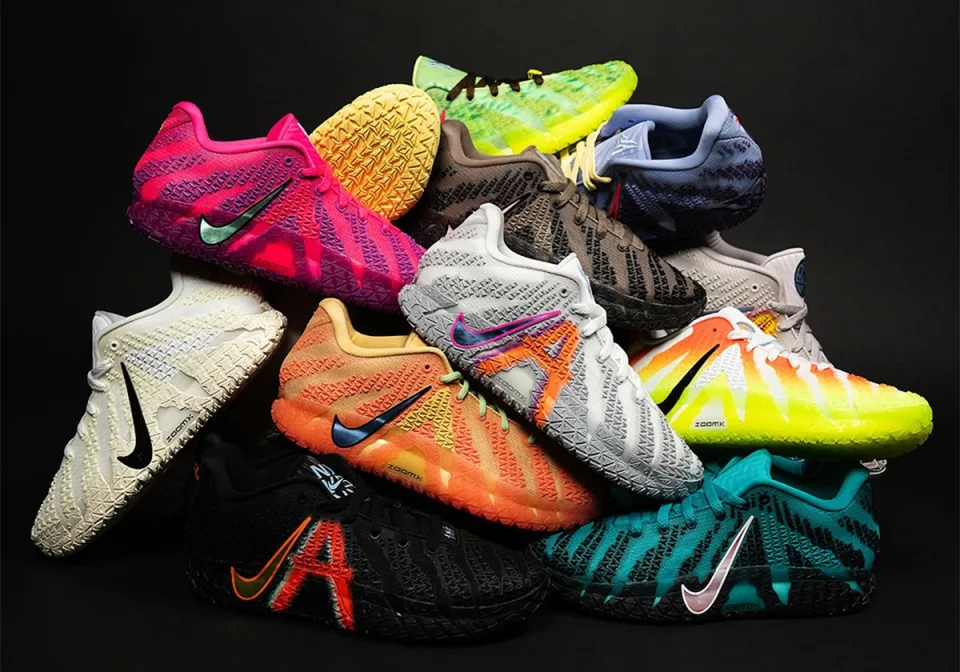
| Athletic/Performance | Cushioning, breathability, traction | Running, gym, cross-training |
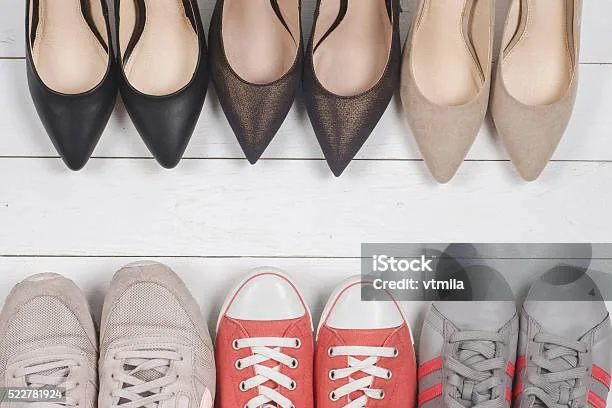
| Formal/Dress | Leather/suede, structured, thin soles | Weddings, office, gala events |
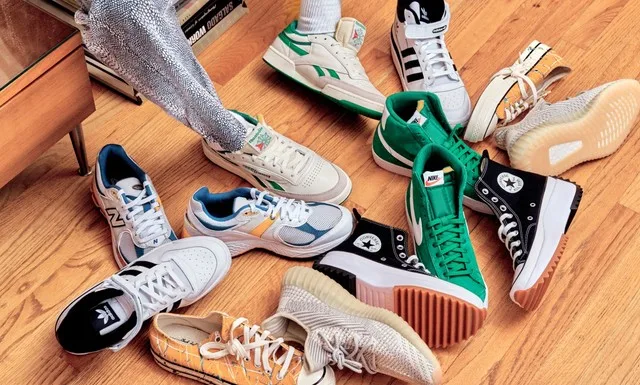
| Casual/Lifestyle | Versatile, comfort-focused, durable | Daily errands, social outings |
| Outdoor/Adventure | Waterproofing, rugged outsoles, ankle support | Hiking, trekking, winter weather |
Key Features to Look for When Buying Shoes
Regardless of the style, certain technical aspects determine the quality and longevity of a shoe. When shopping, inspect these four pillars of construction:
1. The Outsole (Traction and Durability)
The outsole is the bottom layer that makes contact with the ground. Look for high-quality rubber compounds. If you are buying shoes for outdoor use, deep lugs are essential for grip. For indoor or office shoes, a smoother, low-profile sole is often preferred for a cleaner aesthetic and better floor contact.
2. The Midsole (Cushioning and Support)
This is the "engine" of the shoe. Modern footwear uses materials like EVA foam or proprietary gel systems to manage impact. If you stand for long periods, prioritize shoes with a thicker, responsive midsole to reduce fatigue in your knees and lower back.
3. The Upper (Breathability and Fit)
The upper determines how the shoe wraps around your foot. Natural materials like leather offer durability and mold to your foot over time, while synthetic mesh is superior for moisture-wicking and weight reduction in athletic gear.
4. The Heel Counter
The heel counter is the rigid cup at the back of the shoe that locks your heel in place. A sturdy heel counter prevents your foot from sliding side-to-side, which is crucial for preventing ankle rolls and blisters.
The Art of the Perfect Fit
Even the most expensive, high-tech shoe will be painful if the size is incorrect. Many people wear shoes that are too small, leading to bunions, hammertoes, and nerve issues.
- Shop in the Afternoon: Your feet naturally swell throughout the day. If you buy shoes in the morning, they may feel tight by dinner time.
- The Thumb Rule: Ensure there is roughly a thumb's width of space between your longest toe and the front of the shoe.
- Check the Width: Your feet should not feel compressed on the sides. If you feel "spillage" over the sole or significant pressure on your pinky toe, you likely need a wide-width version.
- Wear Your Socks: Always try on shoes with the type of socks you intend to wear with them. Hiking socks are significantly thicker than dress socks and will change the fit entirely.
Seasonal Trends vs. Timeless Classics
In the world of footwear, there is a constant tension between fast-moving trends and timeless staples. Building a smart collection involves balancing both.
Timeless Staples
These are the "foundation" pieces that never go out of style. A high-quality pair of leather boots, a clean white minimalist sneaker, and a classic oxford shoe are essentials. These items should be where you invest the majority of your budget, as they are designed to last for years.
Navigating Trends
Trends, such as chunky "dad" sneakers or neon-accented athletic gear, are fun but fleeting. If you want to incorporate trends into your wardrobe, do so with lower-cost options. This allows you to stay current without cluttering your closet with items that will look dated in six months.
Caring for Your Footwear to Extend Longevity
Buying the right shoes is only half the battle; maintaining them is the other. Proper care can double the lifespan of your favorite pairs.
- Rotation is Key: Never wear the same pair of shoes two days in a row. Shoes need at least 24 hours to dry out from the moisture generated by your feet. Wearing them back-to-back prevents them from drying, which leads to odor and material breakdown.
- Use Shoe Trees: For leather shoes, cedar shoe trees are essential. They absorb moisture and help the shoe maintain its shape, preventing deep creases.
- Clean Regularly: Wipe down your shoes after every use if they are exposed to dirt or salt. A simple damp cloth is often enough for most surfaces.
- Store Properly: Keep your shoes in a cool, dry place. Avoid leaving them in direct sunlight or in a hot car, as extreme heat can degrade the adhesives used in modern footwear construction.
Sustainability in Footwear
As the fashion industry evolves, many consumers are becoming more conscious of the environmental impact of their purchases. When looking for sustainable options, consider brands that utilize recycled materials, such as ocean plastics or recycled rubber outsoles. Additionally, look for "repairable" footwear—shoes that can be resoled by a cobbler rather than thrown away when the bottom wears out. Investing in quality, repairable footwear is the most sustainable choice a consumer can make.
Conclusion: The Investment in Your Steps
Your shoes are the foundation of your mobility. By understanding your specific arch type, choosing the right category for your activities, and prioritizing proper fit over aesthetic trends, you ensure that every step you take is supported and comfortable. Remember that high-quality footwear is an investment in your physical health. Take the time to research, try on different styles, and maintain your collection properly, and you will find that the right pair of shoes can truly change your day for the better.
Whether you are preparing for a long hike, a day at the office, or a casual weekend out, use this guide as your roadmap. Happy walking!