The Ultimate Guide to Choosing the Perfect Toys: A Comprehensive Guide for Every Age and Interest
Choosing the right toy is more than just picking a colorful object off a shelf. It is about fostering development, sparking imagination, and ensuring safety. Whether you are a parent, grandparent, or a gift-giver, navigating the vast world of toys can be overwhelming. From sensory-rich infant playthings to complex strategy board games for teenagers, understanding how to select the right toy for the right developmental stage is a skill that pays off in hours of meaningful play.
This guide provides a structured approach to buying toys, focusing on developmental benefits, safety standards, and emerging trends in the industry.
Understanding Developmental Stages: Matching Toys to Age
The most important factor in choosing a toy is the child's developmental stage. Toys are tools for learning; a toy that is too advanced may cause frustration, while one that is too simple may lead to boredom. Here is how to categorize your selection based on age groups.
Infants (0–12 Months): Sensory Exploration
At this stage, babies learn through their senses. They are interested in textures, bright colors, and sounds. Focus on toys that encourage reaching, grasping, and tracking.
- Soft books and textured mats: Help with tactile development.
- Rattles and musical toys: Teach cause-and-effect relationships.
- Unbreakable mirrors: Encourage self-recognition.
Toddlers (1–3 Years): Active and Imaginative Play
Toddlers are discovering their independence. They are learning to walk, talk, and manipulate objects with greater precision. Look for toys that encourage physical movement and early pretend play.
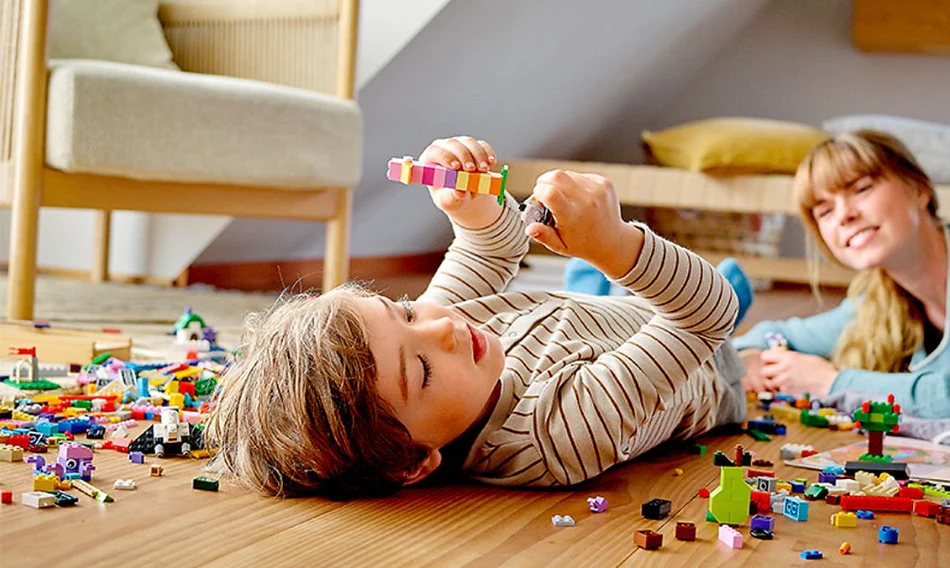
- Building blocks: Develop fine motor skills and spatial awareness.
- Push-and-pull toys: Aid in physical coordination and balance.
- Shape sorters: Introduce problem-solving and logic.
Preschoolers (3–5 Years): Creative Expression
This is the golden age of "make-believe." Preschoolers enjoy role-playing, art, and more complex social interactions. Toys that allow for open-ended play are best here.
- Art supplies: Foster creativity and fine motor control.
- Dress-up clothes: Encourage empathy and social role-playing.
- Simple puzzles: Develop critical thinking and patience.
School-Age Children (6–12 Years): Strategy and Skill
As children enter school, their interests become more specialized. They enjoy complex games, STEM kits, and toys that involve social competition or collaborative goal-setting.
- Board games: Teach sportsmanship and strategic planning.
- STEM/Science kits: Provide hands-on learning for physics, chemistry, and engineering.
- Advanced construction sets: Allow for intricate design and engineering.
Safety First: What to Look for on the Label
Safety is the non-negotiable priority in the toy industry. Before purchasing any item, always inspect the packaging for safety certifications and warning labels. Here are the key indicators of a safe toy:
| Feature | What to Check For |
|---|---|
| Age Grading | Ensure the toy is labeled for the child's specific age group. Avoid "small parts" for children under 3. |
| Material Safety | Look for labels like "non-toxic," "BPA-free," and "phthalate-free," especially for items that might be chewed. |
| Durability | Check for sharp edges, loose strings, or parts that could easily break off and become choking hazards. |
| Certification | Look for compliance marks (such as ASTM F963 in the US or CE marking in Europe). |
The Rise of STEM and Educational Toys
The "Toys" category has undergone a significant shift toward STEM (Science, Technology, Engineering, and Mathematics) and STEAM (which adds Arts). Parents and educators are increasingly looking for toys that do more than just entertain—they want toys that educate.
When shopping for educational toys, focus on the "4 Cs":
- Critical Thinking: Does the toy require the child to solve a problem?
- Creativity: Does it have a "right" way to be used, or can it be reimagined?
- Collaboration: Does the toy encourage playing with others?
- Communication: Does it prompt the child to describe what they are doing?
The Trend Toward Sustainable and Eco-Friendly Toys
Modern consumers are becoming more conscious of the environmental impact of plastic toys. There is a growing trend toward high-quality, sustainable options. When choosing toys, consider the materials used in production:
- Wood: Durable, tactile, and often sourced from renewable forests.
- Recycled Plastics: A great way to reduce landfill waste while providing durable play experiences.
- Organic Cotton/Wool: Ideal for plush toys, offering a safe, chemical-free option for infants.
Avoiding Overstimulation: The Power of Open-Ended Play
One common mistake when buying toys is purchasing items that do "everything" for the child. Electronic toys with flashing lights, loud noises, and automated movements can sometimes overstimulate a child, limiting their ability to engage their own imagination.
Instead, prioritize open-ended toys. These are items that require the child to provide the action, the story, and the outcome. Examples include:
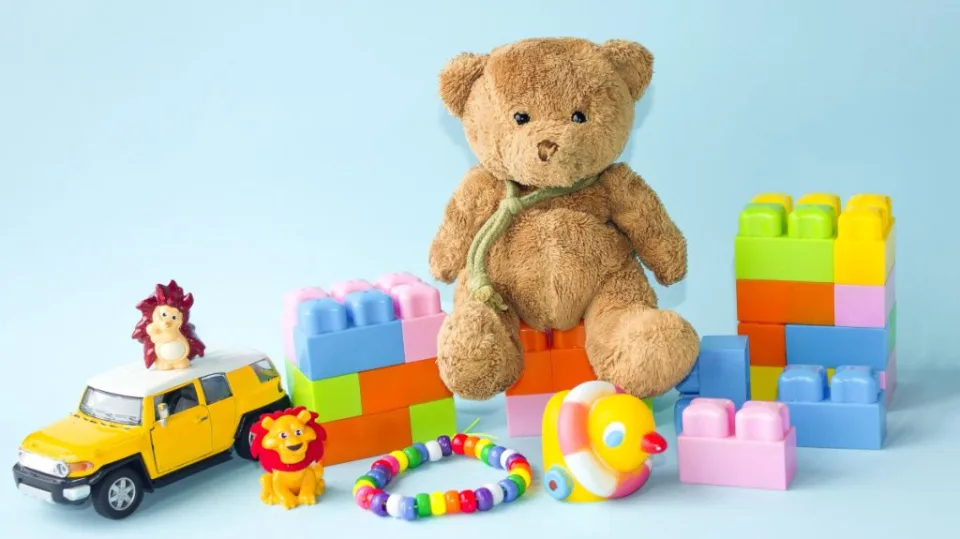
- Wooden blocks
- Plain dolls or figurines
- Modeling clay
- Art materials
These toys allow children to be the directors of their own play, which significantly boosts cognitive development and emotional regulation.
Tips for Navigating Holiday and Gift-Giving Seasons
Buying toys during high-demand seasons requires a bit of strategy. To avoid the stress of "must-have" items and ensure you are getting quality, follow these tips:
- Read reviews from multiple sources: Don't rely solely on the marketing copy on the box. Look for real-world feedback regarding durability and play value.
- Think long-term: Instead of buying the "toy of the month" that will be forgotten in a week, invest in classic toys that can grow with the child.
- Consider the storage factor: Before buying a massive playset, think about whether the recipient has the space to store it.
- Quality over quantity: It is better to give one high-quality, engaging toy than five cheap, plastic items that may break quickly.
How to Organize and Rotate Toys
Once you have purchased the perfect toys, managing them is the next challenge. A cluttered play area can actually hinder a child’s ability to focus. Implementing a "toy rotation" system is a highly effective strategy used by educators and minimalist parents alike.
The Rotation Method:
- Divide the child's toys into several bins.
- Keep only one or two bins available at any given time.
- Store the rest out of sight (in a closet or attic).
- Every few weeks, swap the available toys with the ones in storage.
This keeps toys feeling "new" and exciting, encourages children to play more deeply with what is currently available, and makes cleaning up much easier.
Conclusion: Investing in Play
Toys are the building blocks of a child's early life. They are the instruments through which children explore the world, test their boundaries, and develop the skills they will need as adults. By focusing on age-appropriateness, prioritizing safety, and favoring open-ended, durable materials, you can ensure that your toy purchases are not just temporary distractions, but valuable investments in a child’s growth.
Whether you are buying for a birthday, a holiday, or simply because you want to encourage a new interest, remember that the best toy is one that sparks curiosity and joy. Keep this guide in mind, look past the marketing hype, and choose toys that provide the space for children to learn, imagine, and grow.