The Ultimate Guide to Choosing the Perfect Toys: A Developmental and Play-Based Approach
Choosing the right toy is more than just picking something colorful off a shelf. It is an investment in a child’s cognitive, physical, and emotional development. With the toy market evolving rapidly—from high-tech robotics to classic wooden blocks—parents and gift-givers often find themselves overwhelmed by the sheer variety of options. This guide provides a comprehensive framework for selecting toys that are safe, engaging, and age-appropriate, ensuring you make the best choice for every stage of childhood.
Understanding Developmental Stages in Toy Selection
The most important factor in choosing a toy is alignment with a child’s developmental stage. Toys are tools for learning; a toy that is too advanced can cause frustration, while one that is too simple may lead to boredom. Here is how to categorize toy selection by age group:
Infants (0–12 Months): Sensory Exploration
At this stage, infants learn through their senses. Focus on toys that encourage grasping, reaching, and tracking movement. Soft textures, high-contrast colors, and gentle sounds are ideal. Avoid small parts that pose choking hazards.
Toddlers (1–3 Years): Active Play and Imagination
Toddlers are discovering their independence. They thrive on toys that allow them to manipulate objects, such as stacking blocks, shape sorters, and push-pull toys. This is also the age where pretend play begins, so simple dress-up items or play kitchens are excellent choices.
Preschoolers (3–5 Years): Creativity and Social Skills
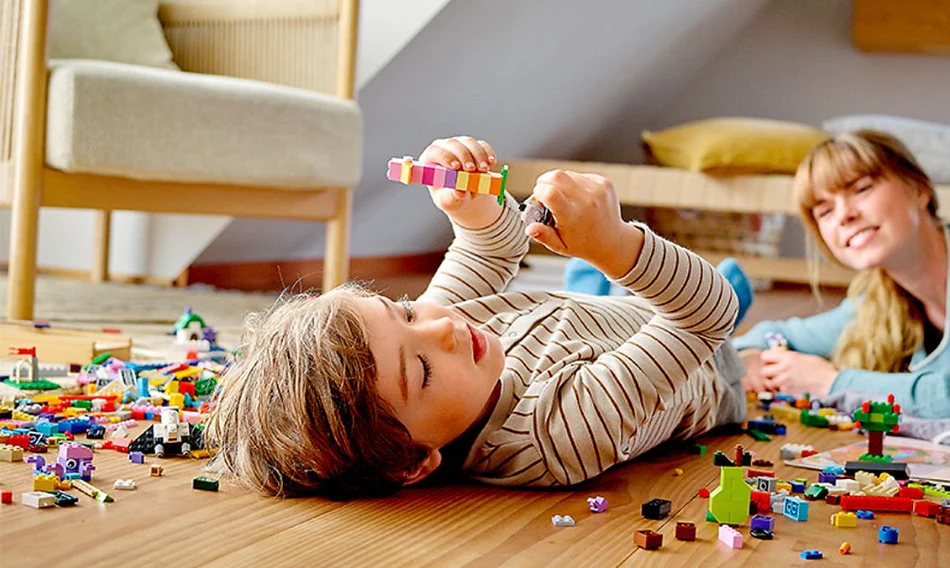
Preschoolers are developing fine motor skills and complex social play. Art supplies, puzzles with more pieces, and construction sets (like interlocking bricks) are perfect for fostering creativity. This is the prime age for cooperative games that teach sharing and turn-taking.
School-Age Children (6+ Years): Strategy and Complexity
As children enter school, their interests become more specialized. They enjoy board games, complex building sets, science kits, and hobby-based toys. At this stage, toys should challenge their problem-solving abilities and allow for long-term project engagement.
The Importance of Open-Ended Play
One of the most critical trends in the toy industry is the shift toward "open-ended play." Open-ended toys are those that do not have a single, predetermined way to be used. Unlike a battery-operated toy that performs the same action every time a button is pressed, open-ended toys allow the child to dictate the play.
Examples of open-ended toys include:
- Building blocks: Can become a castle, a spaceship, or a city.
- Play silks or scarves: Can be used for costumes, fort-building, or sensory play.
- Art materials: Allow for infinite expression without a "right" or "wrong" outcome.
- Figurines: Enable storytelling and role-playing scenarios.
By choosing open-ended toys, you are encouraging critical thinking and imaginative problem-solving, which are essential skills for lifelong learning.
Safety First: A Checklist for Responsible Buying
Safety is non-negotiable when it comes to toys. Regardless of the brand, every toy must meet rigorous safety standards. Before purchasing, consider these essential safety checks:
| Checklist Item | What to Look For |
|---|---|
| Age Grading | Always follow the manufacturer's age recommendation. It is based on safety, not just intelligence. |
| Choking Hazards | For children under 3, avoid any object that can fit inside a toilet paper roll. |
| Material Safety | Look for non-toxic paints, BPA-free plastics, and sustainably sourced wood. |
| Durability | Check for loose parts, sharp edges, or weak hinges that could break during play. |
| Battery Safety | Ensure battery compartments are screwed shut and not easily accessible by children. |
Balancing Technology and Traditional Play
In the digital age, many toys incorporate technology such as apps, screens, or sensors. While tech-based toys can teach basic coding or logic, they should not replace tactile, physical play. The key is balance.
When selecting a tech-enabled toy, ask yourself: Does the technology enhance the play, or does it do the playing for the child? The best tech toys are those that require the child to be an active participant rather than a passive observer. For instance, a robot that requires the child to input a sequence of commands is far more beneficial than a toy that simply plays music or dances on its own.
Tips for Sustainable and Eco-Friendly Toy Selection
As consumers become more environmentally conscious, the toy industry is seeing a surge in sustainable options. Choosing eco-friendly toys is not only better for the planet but often results in higher-quality, longer-lasting products.
- Choose Natural Materials: Opt for FSC-certified wood, organic cotton, or recycled plastics.
- Prioritize Durability: A high-quality wooden toy that lasts for generations is more sustainable than a cheap plastic toy that breaks within a week.
- Support Minimalist Design: Toys that are well-designed don't need excessive packaging. Look for brands that use recycled cardboard and soy-based inks.
- Consider Longevity: Choose toys that grow with the child, such as modular building sets or art easels.
How to Organize and Rotate Toys
Buying the "perfect" toy is only half the battle. If a child is overwhelmed by too many options, they often lose interest in everything. Implementing a toy rotation system is a professional secret to keeping children engaged.
The Strategy:
- Store the majority of toys in a closet or dedicated storage space.
- Keep only a small selection (e.g., 5–8 items) in the play area at one time.
- Rotate the selection every two weeks.
- Observe which toys the child ignores; if a toy hasn't been played with in several rotations, it may be time to donate or store it away for a younger sibling.
This method prevents "toy fatigue," encourages deeper focus, and makes cleanup much easier for both parents and children.
Evaluating Trends: What is Worth the Hype?
The toy market is driven by trends, from viral social media sensations to movie-tie-in merchandise. While it is natural for children to want the "hottest" toy, it is important to evaluate whether the trend offers lasting value.
Ask these three questions before buying into a trend:
- Is it a "one-hit wonder"? Will the child be bored after the initial novelty wears off in 24 hours?
- Does it require constant upgrades? Some toy lines are designed to make the child feel they need to collect "the whole set" to have fun.
- Is it grounded in a play pattern? Does it build on a skill (like construction) or a social behavior (like pretend play), or is it purely decorative?
Final Thoughts: The Best Toy is You
While this guide provides the tools to select high-quality toys, it is important to remember that the most valuable resource a child has is time with their caregivers. No matter how educational or expensive a toy is, its true potential is unlocked when an adult joins in the play.
Use toys as a bridge to connection. Build a tower together, role-play a scenario, or learn the rules of a new board game side-by-side. By selecting toys that facilitate interaction, you are not just buying a product—you are creating memories and building the foundational skills that will serve a child for a lifetime. Happy playing!