The Ultimate Guide to Choosing the Perfect Toys for Every Age and Developmental Stage
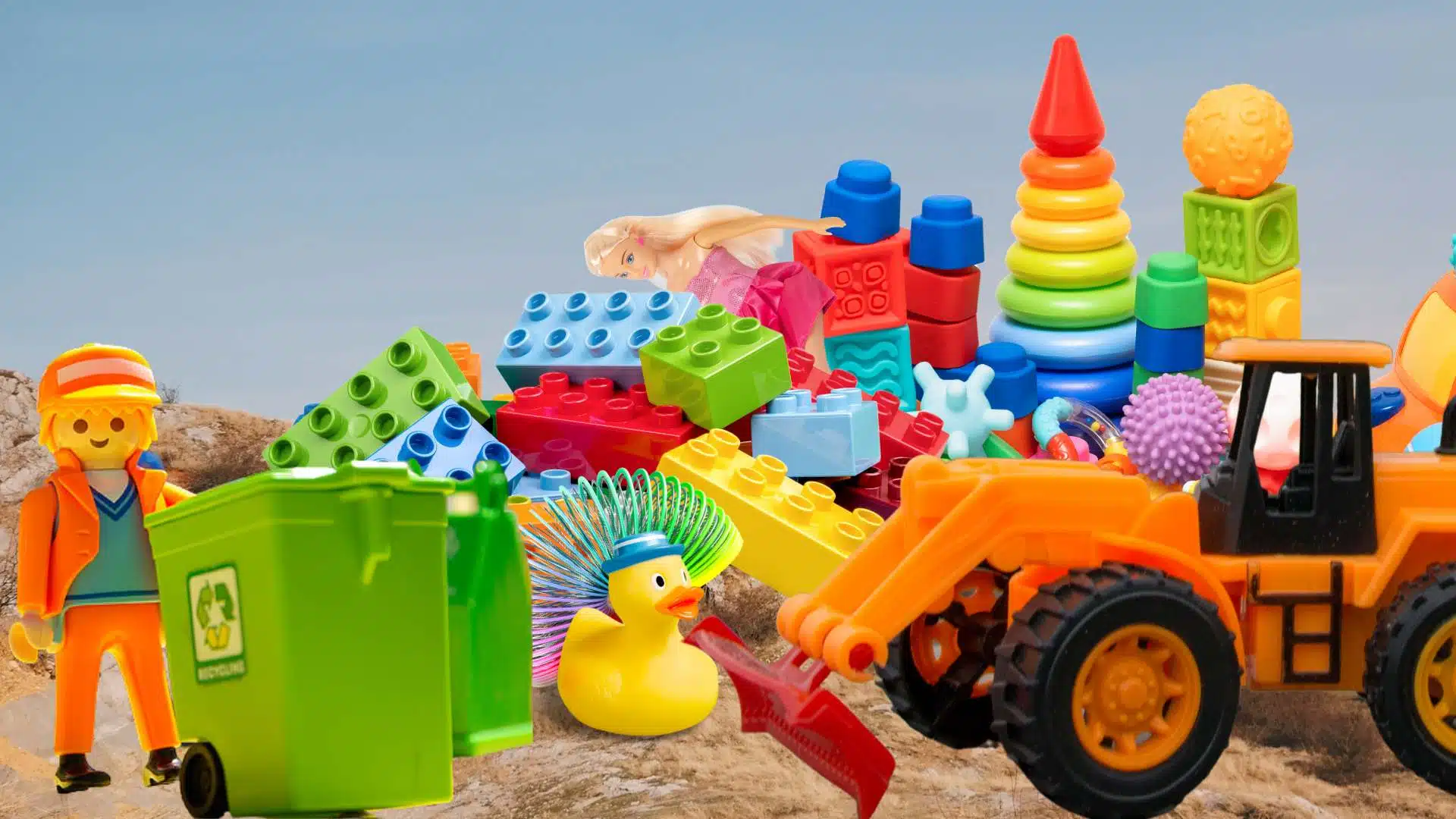
Selecting the right toy is more than just picking something colorful off a shelf. Toys are the primary tools through which children explore the world, develop critical cognitive skills, and express their creativity. With the toy market flooded with thousands of options—from high-tech gadgets to classic wooden blocks—parents and gift-givers often find themselves overwhelmed. This comprehensive guide will help you navigate the toy aisle with confidence, ensuring you choose products that are safe, engaging, and developmentally appropriate.
Understanding Developmental Stages in Toy Selection
The most important factor in choosing a toy is matching it to a child’s developmental stage. A toy that is too advanced can cause frustration, while one that is too simple may lead to boredom. Here is a breakdown of how to approach toy selection based on age groups.
Infants (0–12 Months): Sensory Exploration
At this stage, babies learn through their senses. They are fascinated by textures, sounds, and high-contrast visuals. Focus on toys that encourage grasping, reaching, and sensory stimulation.
- Soft plush toys: Ideal for cuddling and tactile development.
- Rattles and shakers: Introduce the concept of cause and effect.
- Activity gyms: Great for tummy time and developing neck muscles.
Toddlers (1–3 Years): Active Discovery
Toddlers are constantly on the move and developing fine motor skills. They love to mimic adults and explore how things work. Look for toys that encourage movement and problem-solving.
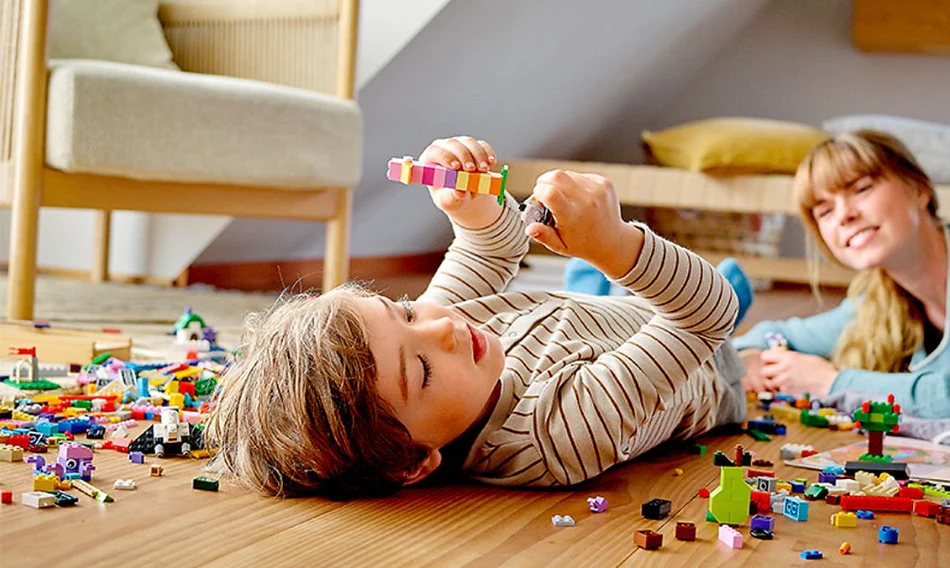
- Building blocks: Enhance spatial awareness and hand-eye coordination.
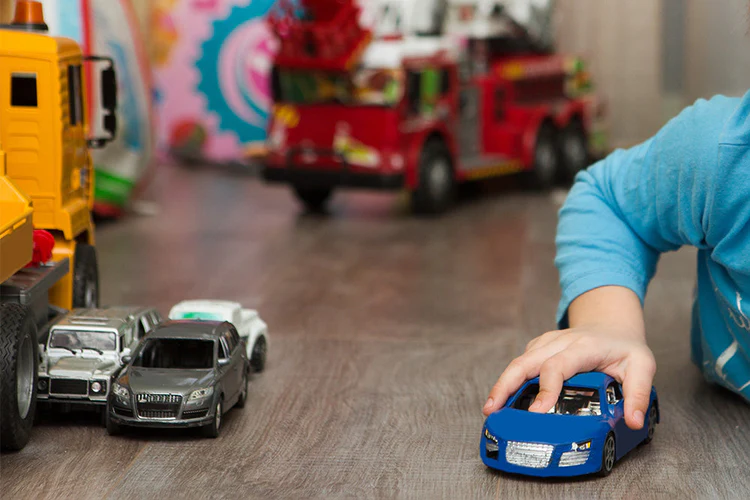
- Push-and-pull toys: Support balance and gross motor skills.
- Shape sorters: Introduce logic and classification.
Preschoolers (3–5 Years): Imaginative Play
This is the golden age of "make-believe." Preschoolers are developing social skills and language. They enjoy toys that allow them to role-play and express their budding personalities.
- Dress-up clothes: Foster creativity and empathy.
- Art supplies: Encourage self-expression and fine motor control.
- Puzzles: Improve focus and critical thinking.
School-Age Children (6+ Years): Skill Building and Strategy
As children enter school, their attention spans increase. They are ready for more complex challenges, including board games, STEM kits, and hobby-based toys.
Comparison Table: Toy Categories by Developmental Benefit
| Toy Category | Primary Benefit | Recommended Age |
|---|---|---|
| Sensory/Textured Toys | Sensory integration | 0–18 Months |
| Construction Sets | Spatial reasoning, STEM | 2+ Years |
| Role-Play Sets | Social skills, language | 3–6 Years |
| Strategy Games | Logical thinking, patience | 6+ Years |
| Art & Craft Kits | Creativity, fine motor skills | 4+ Years |
The Importance of STEM and Open-Ended Play
In recent years, there has been a significant shift toward STEM (Science, Technology, Engineering, and Math) toys. These toys are designed to spark curiosity about how the world works. However, it is vital to balance these with "open-ended" toys.
Open-ended toys are items that do not have a single "right" way to be played with. A set of plain wooden blocks can be a castle, a bridge, or a spaceship depending on the child's imagination. Unlike toys with rigid rules or electronic flashing lights that dictate play, open-ended toys require the child to be the creator, which significantly boosts cognitive development and problem-solving abilities.
Safety First: A Checklist for Parents
Safety is the non-negotiable priority when buying toys. Regardless of the trend or the price point, always keep these safety considerations in mind:
- Age Labels: Always check the manufacturer’s age recommendation. These are not just suggestions; they are based on safety testing regarding choking hazards and structural integrity.
- Choking Hazards: For children under three, avoid any toy with small parts that can fit through a toilet paper roll tube.
- Material Quality: Opt for non-toxic materials. If you are choosing plastic, ensure it is BPA-free. For wooden toys, check for smooth finishes to prevent splinters.
- Battery Safety: If a toy requires batteries, ensure the compartment is secured with a screw, especially for toys intended for younger children.
Current Trends in the Toy Industry
The toy industry is constantly evolving, reflecting both technological advancements and societal shifts. Staying informed about these trends can help you choose gifts that feel modern and relevant.
Sustainable and Eco-Friendly Toys
There is a growing movement toward environmental consciousness. Parents are increasingly opting for toys made from sustainable materials like FSC-certified wood, recycled plastics, or organic cotton. These toys are not only better for the planet but are often more durable than their plastic counterparts.
Screen-Free Tech
While technology is everywhere, there is a push for "smart" toys that encourage screen-free interaction. Think of coding robots that don't require a tablet or interactive globes that teach geography through audio prompts. These toys provide the benefits of technology without the risks associated with excessive screen time.
Inclusive Toys
Diversity and representation are becoming standard in the toy world. From dolls with different abilities to playsets that represent various cultures and family structures, the current market is making a conscious effort to ensure every child feels seen and included.
Tips for Choosing the Best Gift
If you are buying a gift for a child who is not your own, it can be tricky. Use these strategies to ensure your gift is a hit:
- Consult the Parents: Don't be afraid to ask what the child is currently interested in. This prevents duplication and ensures the toy fits the family’s values (e.g., avoiding loud electronic toys if the parents prefer a quiet home).
- Consider Storage: Large, bulky toys can be a nightmare for parents with limited space. Consider modular toys or those that come with their own storage containers.
- Focus on Longevity: Choose high-quality toys that will last through years of play rather than "disposable" plastic toys that break within a week.
- Observe Interests: If the child loves dinosaurs, look for books or puzzles about paleontology. Tailoring a gift to a specific interest shows thoughtfulness.
Conclusion: The Value of Play
Ultimately, the best toy is one that encourages a child to engage, think, and explore. Whether it is a simple set of crayons or a complex robotics kit, the goal is to provide a medium through which the child can grow. By focusing on developmental appropriateness, prioritizing safety, and valuing open-ended play, you can select toys that will not only entertain for an afternoon but will provide lasting benefits for years to come.
Remember, the most important component of any toy is the play itself. When you take the time to choose thoughtfully, you are giving a child more than just an object—you are giving them an opportunity to learn, create, and imagine a bigger world.