The Ultimate Guide to Choosing the Perfect Toys: How to Select Playthings That Spark Joy and Development
Choosing the right toy is more than just picking something colorful off a shelf. Whether you are a parent, a grandparent, or a gift-giver, selecting a toy involves understanding the delicate balance between entertainment, safety, and developmental value. In an era where digital screens often dominate leisure time, high-quality physical toys remain essential tools for fostering creativity, motor skills, and emotional intelligence in children.
This comprehensive guide explores the essential criteria for selecting toys across different age groups, the importance of open-ended play, and how to navigate the vast landscape of the modern toy industry.
Understanding Developmental Stages: Why Age Appropriateness Matters
A toy is only as good as its ability to engage a child at their current stage of development. If a toy is too simple, a child will become bored; if it is too complex, they may become frustrated. Matching toys to developmental milestones is the first step in successful toy selection.
Infants (0–12 Months): Sensory Exploration
At this stage, babies learn through their senses. They are attracted to high-contrast colors, soft textures, and sounds. Focus on toys that encourage grasping, reaching, and tactile exploration.
- Soft, plush toys with different textures.
- Unbreakable mirrors for self-discovery.
- Rattles and musical toys that respond to movement.
Toddlers (1–3 Years): Building and Motion
Toddlers are entering a phase of physical exploration and imaginative imitation. They are beginning to understand cause-and-effect relationships.
- Large building blocks for spatial awareness.
- Push-and-pull toys to encourage walking and balance.
- Simple shape-sorting puzzles.
Preschoolers (3–5 Years): The Rise of Imagination
This is the golden age of "pretend play." Children begin to engage in role-playing, which is crucial for social development and language skills.
- Dress-up clothes and costumes.
- Kitchen sets or tool benches.
- Art supplies for fine motor skill refinement.
The Power of Open-Ended Play
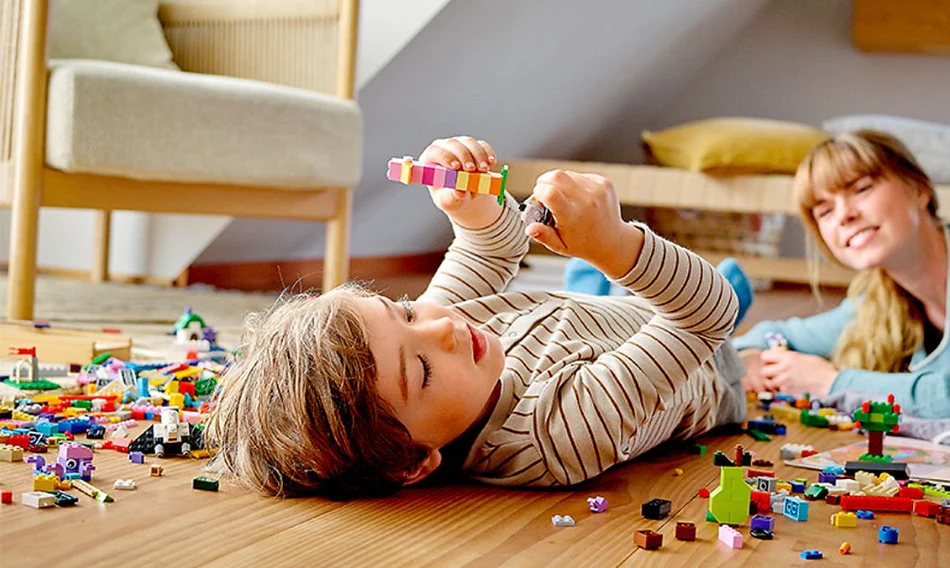
When shopping for toys, the term "open-ended" is a gold standard. An open-ended toy is one that does not have a single, fixed way of being played with. Instead, it allows the child to decide the rules, the story, and the outcome.
Why should you prioritize these over "closed" toys (like electronic gadgets with pre-set buttons)?
- Encourages Critical Thinking: Children must invent their own solutions to problems.
- Longer Lifespan: Because the play changes as the child grows, these toys stay relevant for years.
- Builds Confidence: There is no "right" or "wrong" way to play, which reduces anxiety and encourages experimentation.
Comparing Toy Categories: A Quick Reference Table
To help you decide what kind of toy fits your needs, consider the following breakdown of categories based on their primary benefit:
| Category | Primary Benefit | Best For |
|---|---|---|
| Construction Sets | Spatial Reasoning & Math | Children who enjoy building and logic. |
| Arts & Crafts | Fine Motor Skills & Expression | Children who need a creative outlet. |
| Active/Outdoor Toys | Gross Motor Skills & Health | High-energy kids needing physical release. |
| Role-Play Toys | Social Skills & Empathy | Children exploring social roles and language. |
| STEM/Science Kits | Curiosity & Problem Solving | Older children interested in "how things work." |
Safety First: A Checklist for Responsible Toy Buying
Safety is the non-negotiable aspect of toy shopping. Regardless of how educational or fun a toy might be, it must adhere to safety standards. Before finalizing a purchase, perform a quick safety audit:
- Check for Small Parts: For children under three, ensure the toy contains no small parts that could pose a choking hazard.
- Material Quality: Look for non-toxic paints and BPA-free plastics. Sustainable, natural materials like wood or organic cotton are often safer alternatives to mass-produced plastics.
- Durability: Avoid toys with sharp edges or parts that can easily break off into small, dangerous shards.
- Battery Safety: Ensure that battery compartments are secured with screws so that a child cannot easily access the batteries, which can be dangerous if ingested.
The Shift Toward Sustainable and Eco-Friendly Toys
Modern consumers are increasingly conscious of their environmental footprint. The toy industry is responding with a move toward "conscious play." When shopping, look for brands that prioritize sustainable manufacturing processes.
Choosing wooden toys over plastic ones is a great way to reduce household waste. Wooden toys are generally more durable, easier to repair, and biodegradable. Furthermore, many companies now use recycled cardboard for packaging, which reduces the overall environmental impact of the purchase.
How to Organize and Rotate Toys
One of the most common mistakes parents make is providing too many toys at once. A cluttered playroom can lead to "decision paralysis," where a child feels overwhelmed and ends up playing with nothing. The solution is toy rotation.
By keeping only a small selection of toys available and storing the rest in a closet or bin, you keep the play environment fresh. Every few weeks, swap the toys out. This makes "old" toys feel new again and keeps the child’s interest piqued, encouraging deeper engagement with the items they currently have.
Trends in the Toy Industry: What to Watch
The toy world is constantly evolving. Staying informed about current trends can help you choose gifts that are both modern and engaging. Currently, there is a massive push toward:
- STEM/STEAM Integration: Toys that incorporate Science, Technology, Engineering, Arts, and Math are becoming standard. These toys teach children the fundamentals of coding, physics, and design through play.
- Inclusive Play: There is a growing focus on toys that represent diverse cultures, abilities, and family structures, helping children develop empathy and a broader worldview.
- Screen-Free Digital Alternatives: Many parents are looking for "smart" toys that offer interactive learning without the need for a tablet or smartphone screen.
The Psychology of Gift Giving
When buying a toy for someone else's child, the pressure can be high. A helpful tip is to observe the child’s current interests. Does the child love dinosaurs? Are they obsessed with building towers? Do they spend all their time drawing?
Rather than buying the "hottest" toy on the market—which is often a fleeting trend—choose a toy that aligns with the child’s personality. A thoughtful gift that speaks to a child's specific passion will always be more cherished than a generic toy that sits on a shelf.
Conclusion: Choosing Quality Over Quantity
At the end of the day, the best toy is one that creates a connection—between the child and the object, or between the child and the people they play with. By focusing on durability, open-ended potential, and age-appropriateness, you can build a collection of toys that supports a child's growth rather than just occupying their time.
Remember that the most valuable part of any toy is the play that happens around it. Whether it's a simple set of wooden blocks or a complex science kit, your role as an adult is to provide the environment and the encouragement for the child to explore, learn, and imagine. Use this guide as your roadmap, and you will be well-equipped to make informed, meaningful choices that bring joy for years to come.