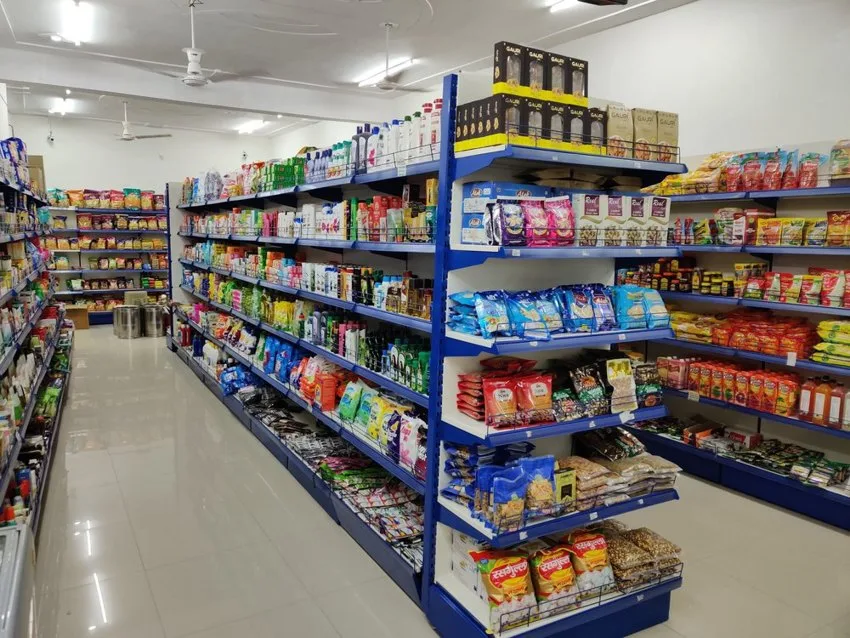
The Ultimate Guide to Departmental Shopping: How to Navigate Large Retailers Like a Pro
Departmental shopping can be an overwhelming experience. Whether you are stepping into a massive multi-story department store or browsing a comprehensive online marketplace, the sheer volume of products across various categories—from home goods and fashion to electronics and beauty—can make it difficult to find exactly what you need. However, when navigated correctly, departmental shopping is the most efficient way to manage your household needs, gift-giving, and personal style upgrades.
This guide provides you with the strategies, insider tips, and decision-making frameworks needed to master the art of departmental shopping. By understanding how these retail ecosystems are organized and how to evaluate quality across different departments, you can save time, avoid impulse buys, and ensure you are getting the best value for your money.
Understanding the Departmental Ecosystem
To shop effectively, you must first understand how department stores and digital departmental platforms operate. Most of these retailers categorize their inventory into distinct departments to streamline the customer journey. Understanding these divisions helps you narrow your focus before you even start browsing.
The Core Departments
- Home & Kitchen: Includes furniture, cookware, bedding, and home decor.
- Apparel & Accessories: Covers clothing for men, women, and children, along with footwear and jewelry.
- Beauty & Personal Care: Encompasses cosmetics, skincare, fragrances, and grooming tools.
- Electronics & Gadgets: Features home appliances, personal tech, and entertainment systems.
When you enter a store or visit a website, don't try to "browse everything." Instead, adopt a mission-based approach. Identify which department holds the solution to your current need and stick to the navigational path designed for that category.
Strategic Buying: A Framework for Every Department
Buying a toaster is a fundamentally different process than buying a winter coat. However, a consistent framework can be applied to almost any departmental purchase to ensure satisfaction. Follow these four steps before finalizing any transaction.
1. Define the Purpose and Frequency of Use
Ask yourself: Is this an item I will use daily, or is it for occasional use? High-frequency items (like a coffee maker or a pair of everyday jeans) justify a higher investment in quality and durability. Low-frequency items (like formal wear or seasonal decor) can often be purchased at a lower price point without compromising your overall lifestyle.
2. Check Materials and Construction
Regardless of the department, quality is in the details. In apparel, look for natural fibers and reinforced stitching. In home goods, look for solid construction rather than particle board or thin plastics. Always check the "Specifications" or "Materials" tab on product pages to avoid synthetic materials that may degrade quickly.
3. Evaluate Warranty and Return Policies
Departmental stores often carry a wide range of brands, each with different manufacturer warranties. Before purchasing big-ticket items like electronics or furniture, check if the store offers an extended return window or a satisfaction guarantee. This is particularly important when buying online, where you cannot physically inspect the product.
4. The Price-to-Value Ratio
Don't just look for the cheapest item. Look for the best value. Use the following table to help guide your decision-making process when comparing options within a department.
| Category | Priority Factor | What to Avoid |
|---|---|---|
| Home Appliances | Energy efficiency & repairability | Obscure brands with no service centers |
| Clothing | Fabric quality & fit | Fast-fashion trends that won't last a season |
| Beauty/Skincare | Ingredient transparency | Products with heavy fragrances or irritants |
| Home Decor | Timeless design vs. trends | Cheap materials that look artificial |
Tips for Navigating Seasonal Sales
Departmental retailers rely heavily on seasonal cycles. Understanding these cycles is the best way to maximize your budget. Most departments follow a predictable calendar of markdowns.
The Seasonal Cycle
- Early Season: Best for selection and finding your specific size or color. Prices are at MSRP.
- Mid-Season: Sales begin to appear as retailers manage inventory levels.
- End-of-Season: Deep discounts (clearance). This is the best time to buy staples for the following year, provided you are willing to accept limited stock.
Pro-tip: Always check the "New Arrivals" section for inspiration, but head straight to the "Sale" or "Clearance" section for your actual purchasing. Often, the quality of items in the sale section is identical to the full-price stock; they are simply being rotated out to make room for new inventory.
How to Shop Departmental Online Like a Pro
Online departmental shopping offers the advantage of filters and comparison tools. To make the most of these, use the following tactics:
Mastering the Filter System
Do not scroll aimlessly. Use filters to narrow down by price, brand, customer rating, and specific features. If you are buying furniture, filter by dimensions immediately to ensure the piece fits your space. If you are buying clothing, filter by fabric composition to ensure you are getting quality materials like cotton, wool, or linen.
The Power of Customer Reviews
Customer reviews are your best friend in a departmental setting. However, do not just look at the star rating. Read the "3-star" reviews; these are often the most honest, highlighting both the strengths and the specific flaws of the product. Look for reviews that include photos to see how the item looks in a real-world setting rather than a studio-lit product photo.
Cross-Referencing
If you find a product you love in a department store, perform a quick search to compare the model number with other retailers. While departmental stores offer convenience, sometimes a specific model may be priced differently elsewhere. However, remember to factor in shipping costs and return ease when calculating your "true" cost.
Common Pitfalls to Avoid
Even experienced shoppers fall into traps in large retail environments. Here is how to stay disciplined:
- The "Bundling" Trap: Retailers often push bundles or sets. Only buy the bundle if you actually need every item in it. If you only need the main product, buying the set is an unnecessary expense.
- Ignoring Hidden Costs: When buying furniture or large appliances, always account for shipping, assembly, and disposal of old items. These "hidden" costs can sometimes double the price of the product.
- Over-buying based on "Store Credit": Avoid buying items just because you have a store credit or a coupon. If you don't need the item, you aren't saving money; you are spending it.
Sustainability in Departmental Shopping
As consumers become more conscious of their footprint, departmental shopping can be approached with sustainability in mind. Look for retailers that offer "Eco-friendly" or "Sustainable" filters. Support brands within these departments that utilize recycled materials, ethical manufacturing processes, and transparent supply chains.
Furthermore, focus on the "Buy Less, Buy Better" philosophy. Instead of buying five cheap items that will break or wear out in a year, invest in one high-quality piece from a reputable department that will last for years. This is not only better for the planet but also significantly better for your long-term finances.
Final Thoughts: Building Your Shopping Strategy
Departmental shopping doesn't have to be a chore. By treating it as a strategic process rather than a recreational activity, you can curate a home and a wardrobe that truly reflect your values and needs. Start by creating a "Need List" before you head out or log on, stick to your budget, and always prioritize quality over quantity.
Remember that the best shoppers are those who remain patient. If you don't find exactly what you need, don't settle. Departmental inventories rotate constantly, and with a bit of persistence, you will eventually find the perfect item at the right price point. Use this guide as your roadmap, and you will navigate the complex world of departmental retail with confidence and ease.