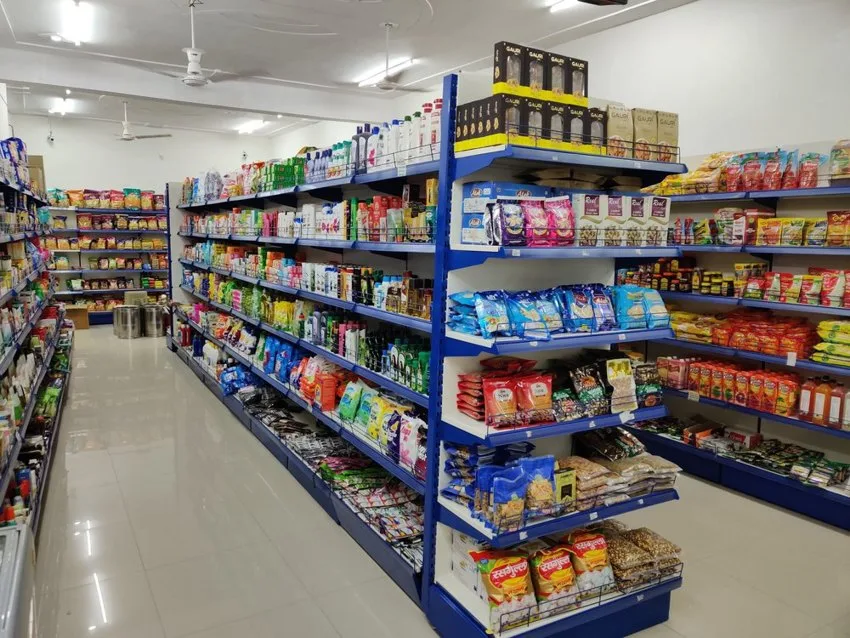
The Ultimate Guide to Departmental Shopping: How to Master the Multi-Category Experience
Navigating a large departmental store or a comprehensive online marketplace can be an overwhelming experience. With aisles—or digital categories—stretching from home décor and high-end electronics to apparel and gourmet kitchenware, the sheer volume of choice often leads to "decision fatigue." Whether you are furnishing a new home, upgrading your wardrobe, or looking for the perfect gift, mastering the art of departmental shopping is an essential skill for the modern consumer.
This guide provides a strategic framework for navigating departmental categories, helping you identify quality, compare value, and make informed purchasing decisions across diverse product ranges.
Understanding the Departmental Ecosystem
Departmental shopping is unique because it consolidates disparate product categories under one roof (or one URL). Unlike boutique shopping, where the focus is narrow, departmental shopping requires a "generalist" mindset supported by "specialist" research. To succeed, you must understand that these stores operate on volume and variety, meaning quality can vary significantly from one shelf to the next.
Key Departments You Should Know
- Home & Kitchen: Focuses on durability, materials, and long-term utility.
- Electronics: Driven by specifications, lifecycle, and compatibility.
- Apparel & Accessories: Centered on fabric quality, sizing consistency, and seasonal trends.
- Beauty & Personal Care: Relies on ingredients, skin compatibility, and dermatological standards.
Strategic Buying Framework: A Step-by-Step Approach
To avoid impulsive purchases and ensure you are getting the best value, follow this structured approach whenever you enter a departmental category.
1. Define Your Need vs. Want
Before stepping into a department, categorize your intent. Are you looking for a "workhorse" item—something meant for daily, heavy-duty use—or a "statement" piece? Workhorse items (like a blender or a winter coat) require higher investment in quality, while statement pieces can prioritize aesthetic appeal over longevity.
2. The "Material First" Rule
Regardless of the department, the material is the primary indicator of value. In home goods, look for solid woods or high-grade stainless steel. In apparel, prioritize natural fibers like cotton, wool, or linen over synthetic blends. Always check the product specifications tag or the digital "Details" tab before committing.
3. Cross-Category Price Comparison
One of the greatest advantages of departmental shopping is the ability to compare price points across similar functions. Use the following table to help guide your budget allocation based on the product category.
| Category | Budget Focus | Priority Factor |
|---|---|---|
| Kitchen Appliances | Durability & Warranty | Motor power/Build material |
| Home Textiles | Thread count & Fiber type | Washability/Softness |
| Electronics | Future-proofing/Specs | Processor/Connectivity |
| Apparel | Fit & Versatility | Fabric weight/Stitching |
Tips for Navigating Specific Departments
Mastering the Home & Kitchen Department
When shopping for home goods, the biggest mistake is prioritizing aesthetics over functionality. A toaster might look beautiful on your counter, but if the heating elements are inconsistent, it fails its primary purpose. When buying cookware or small appliances, always look for "modular" options—items that can be repaired or have replaceable parts. This extends the lifecycle of your purchase significantly.
Navigating the Apparel Department
Departmental clothing sections can be tricky due to varying size charts. A "Medium" in one brand may fit like a "Large" in another. Always utilize the "Size Guide" or "Fit Finder" tools if shopping online. In-store, focus on the "feel" test: pull the fabric, check the seams for loose threads, and ensure the buttons are securely attached. These small details are often the first things sacrificed in mass-produced departmental inventory.
Shopping for Electronics and Gadgets
Electronics are the most volatile category in any department. Technology evolves rapidly, so the "newest" model is not always the best value. Look for the "sweet spot"—the model that is one generation behind the latest release. It usually offers 90% of the performance at 60% of the price. Check the warranty terms carefully; departmental stores often offer extended protection plans, but you should verify if these are necessary or if the manufacturer’s warranty already provides sufficient coverage.
Identifying Trends vs. Fads
Departmental stores thrive on trends. It is easy to get caught up in the "must-have" items of the season. To maintain a curated lifestyle, learn to distinguish between a trend and a fad.
- Trends: These are shifts in lifestyle that have staying power. Examples include sustainable home goods, ergonomic office equipment, and minimalist design. These are safe investments.
- Fads: These are hyper-specific, novelty items designed for social media appeal. They often lack utility and end up in the donation pile within a year. Avoid overspending on these items.
Quality Assurance: How to Spot a "Hidden Gem"
In a sea of mass-produced goods, how do you find the items that will actually last? Look for these three indicators:
- Weight: In hardware, kitchenware, and furniture, weight is often a proxy for quality. Heavier items usually indicate denser materials and better structural integrity.
- User Feedback Patterns: When reading reviews, ignore the 5-star and 1-star extremes. Focus on the 3-star reviews. These users usually provide the most balanced view of the product’s pros and cons.
- Brand Heritage: Even within a large department, look for sub-brands that have a history of specializing in a single category. A department store might carry a hundred brands of cookware, but the one that has been making pots for 50 years is almost always the safer bet.
Optimizing Your Buying Process
To maximize your efficiency and satisfaction when shopping across departmental lines, consider these final best practices:
1. Create a "Shopping Matrix"
Before heading out or browsing online, list your top three requirements for each item. For a vacuum, it might be: 1) Suction power, 2) Cordless, 3) Weight. If a product doesn't meet all three, move on. This keeps you disciplined.
2. Timing is Everything
Departmental stores operate on strict seasonal cycles. If you are looking for home décor, the best prices are found in the "off-season" (e.g., buying patio furniture in late summer or winter). Never pay full price for seasonal items unless you absolutely need them immediately.
3. The Return Policy Check
Because departmental shopping involves diverse categories, return policies can be complex. Electronics may have a 15-day window, while apparel might offer 60 days. Always confirm the return policy *before* the transaction, especially for high-ticket items.
Conclusion: The Smart Shopper’s Mindset
Successful departmental shopping is not about finding the cheapest item; it is about finding the best value. By focusing on material quality, understanding your specific needs, and ignoring the noise of fleeting fads, you can turn a potentially chaotic shopping experience into a streamlined process of acquisition. Whether you are upgrading your kitchen or refreshing your living space, remember that the most successful purchases are those that balance form, function, and longevity.
By applying these strategies, you become a more conscious consumer, ensuring that every dollar spent in the departmental landscape contributes to a more functional, efficient, and enjoyable lifestyle.