The Ultimate Guide to Investing in Fine Jewelry and Luxury Watches: A Timeless Investment
The world of fine jewelry and luxury timepieces is a fascinating intersection of art, engineering, and personal expression. Whether you are looking to mark a milestone, diversify your investment portfolio, or simply curate a collection that reflects your personal style, navigating the market requires a blend of knowledge, patience, and discernment. Unlike fast fashion, high-end jewelry and watches are designed to endure, often gaining sentimental and financial value over time.
This comprehensive guide explores the essential factors you must consider when purchasing luxury jewelry and watches, ensuring that every acquisition is a well-informed decision.
Understanding the Basics of Fine Jewelry
Fine jewelry is defined by the use of precious metals—such as gold, platinum, and silver—and genuine gemstones. When shopping for jewelry, the "Four Cs" of diamonds are only the beginning. Understanding the quality of craftsmanship and the provenance of materials is crucial for long-term satisfaction.
Decoding Precious Metals
The metal foundation of your jewelry determines its durability and aesthetic appeal. Gold is measured in karats (K), which indicates the purity of the metal:
- 24K Gold: 99.9% pure, but very soft and prone to scratching.
- 18K Gold: 75% pure, widely considered the standard for fine jewelry as it balances durability with luxury.
- 14K Gold: 58.3% pure, highly durable and ideal for everyday wear.
- Platinum: A dense, naturally white metal that is hypoallergenic and exceptionally durable, making it a premium choice for setting diamonds.
Evaluating Gemstone Quality
Beyond diamonds, colored gemstones like sapphires, rubies, and emeralds offer vibrant alternatives. When evaluating these stones, look for:
- Color: The intensity and saturation of the hue are the most critical factors.
- Clarity: Natural inclusions are common, but the stone should be eye-clean unless it is an heirloom piece.
- Cut: A precision cut maximizes the brilliance and fire of the stone.
The Art of Choosing a Luxury Timepiece
A luxury watch is more than a tool for tracking time; it is a masterpiece of mechanical engineering. When investing in horology, you must look beyond the brand name and focus on the movement, the complication, and the heritage.
Mechanical vs. Quartz Movements
The heart of a watch is its movement. Purists generally prefer mechanical movements, while quartz offers precision and convenience.
| Feature | Mechanical (Manual/Automatic) | Quartz |
|---|---|---|
| Power Source | Mainspring (manual or kinetic) | Battery |
| Craftsmanship | High; intricate assembly | Standardized; electronic |
| Maintenance | Requires regular servicing | Low maintenance |
| Value | Often retains value/appreciates | Generally depreciates |
Understanding Watch Complications
A "complication" is any function on a watch beyond the simple display of hours, minutes, and seconds. Common complications include:
- Chronograph: A stopwatch function integrated into the watch.
- Moon Phase: Displays the current lunar cycle.
- Perpetual Calendar: Automatically adjusts for leap years and different month lengths.
- Tourbillon: A mechanism designed to counteract the effects of gravity on the watch’s accuracy—a hallmark of high-end horology.
Trends vs. Timelessness: Building Your Collection
One of the biggest pitfalls in the jewelry and watch market is chasing fleeting trends. While it is fun to incorporate current styles, a robust collection should be built on a foundation of "investment pieces."
The Case for Minimalist Elegance
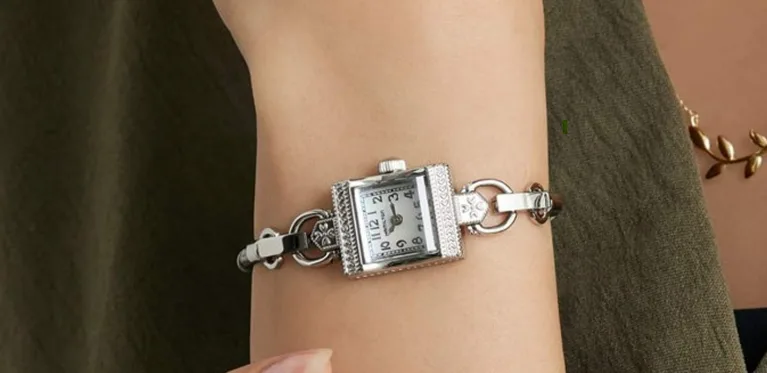
Classic designs, such as tennis bracelets, solitaire diamond pendants, and clean-dial dress watches, never go out of style. These pieces offer the highest versatility, allowing you to pair them with everything from casual attire to formal evening wear. By focusing on quality materials and understated designs, you ensure that your pieces remain relevant for decades.
When to Embrace Trends
If you want to experiment with bold designs—such as stackable rings, chunky chains, or oversized watch cases—it is wise to opt for high-quality fashion jewelry or entry-level luxury pieces. Reserve your significant budget for items that possess an inherent, timeless quality.
Essential Tips for Smart Buying
Purchasing luxury goods requires a strategic approach. Follow these tips to protect your investment and ensure authenticity:
- Always Verify Provenance: For high-value items, documentation is everything. Ensure the piece comes with original papers, certificates of authenticity (such as GIA for diamonds), and service records.
- Buy from Reputable Sources: Whether buying new or pre-owned, only work with established dealers or authorized retailers. If a deal seems too good to be true, it almost certainly is.
- Consider the Pre-owned Market: The secondary market is a treasure trove for finding vintage watches and estate jewelry. You can often find rare, discontinued models that hold their value better than new retail items.
- Factor in Maintenance Costs: Fine jewelry needs professional cleaning and inspection, and mechanical watches require servicing every 3–5 years. Budget for these costs to keep your collection in pristine condition.
The Importance of Care and Storage
Even the finest jewelry and watches can deteriorate if not properly cared for. The longevity of your pieces depends on how you store and maintain them.
Proper Storage
Never store jewelry in a heap, as diamonds can scratch other gemstones and metals. Use a jewelry box with velvet-lined compartments. For watches, invest in a high-quality watch winder if you own automatic models, or a watch box that prevents the timepieces from knocking against each other.
Routine Maintenance
Avoid wearing delicate jewelry while performing household chores, exercising, or swimming. Chemicals in cleaning products and salt water can damage both metals and stones. For watches, avoid exposing them to strong magnetic fields, which can interfere with the movement's accuracy.
Conclusion: The Legacy of Your Collection
Building a collection of jewelry and watches is a journey of personal discovery. It is not just about the monetary value; it is about the stories these pieces tell and the legacy they leave behind. By prioritizing quality over quantity, understanding the technical aspects of your items, and maintaining them with care, you are not merely a consumer—you are a custodian of craftsmanship.
Whether you are purchasing your first luxury watch or adding a rare gemstone to your jewelry box, remember that the best pieces are those that resonate with your personal history and bring you joy every time you wear them. Invest wisely, choose carefully, and enjoy the timeless beauty of your collection for years to come.