The Ultimate Consumer Electronics Buying Guide: How to Choose the Right Tech for Your Lifestyle
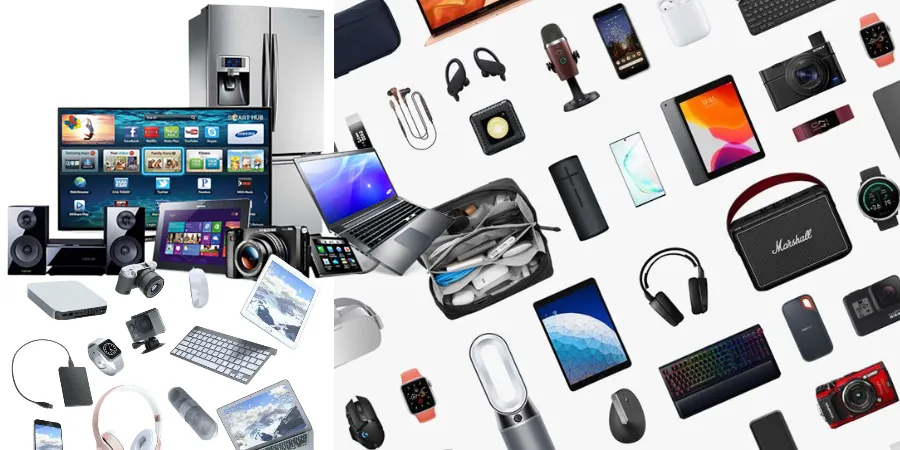
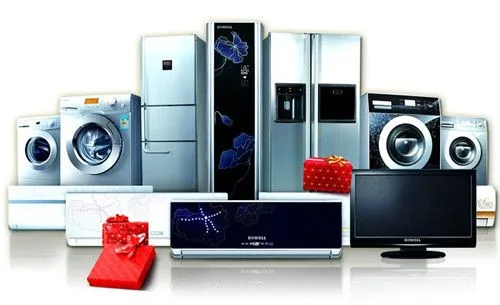
In an era where technology evolves at a breakneck pace, navigating the consumer electronics market can feel overwhelming. Whether you are upgrading your home office, searching for the perfect entertainment setup, or looking for portable gadgets to boost your productivity, making the right choice requires more than just looking at the price tag. This comprehensive guide provides you with the essential knowledge to make informed decisions across the most popular categories in electronics.
Understanding Your Needs: The First Step to Smart Buying
Before diving into specific product categories, it is crucial to define your "tech persona." Are you a power user who requires top-tier performance, a casual user looking for reliability, or a budget-conscious shopper seeking the best value-for-money? Understanding your usage patterns will prevent you from overspending on features you do not need or underspending on components that will become obsolete within a year.
Consider the following questions before making any electronics purchase:
- Frequency of use: Will this device be used daily for professional work or occasionally for entertainment?
- Future-proofing: Do you need the latest hardware to last 3-5 years, or is a mid-range model sufficient for current needs?
- Ecosystem compatibility: Does the device integrate seamlessly with your existing smartphone, tablet, or smart home setup?
Key Categories in Consumer Electronics
The electronics landscape is vast. Below, we break down the critical factors for the most common product segments.
1. Computing and Laptops
When shopping for a computer, the divide is usually between "Pro" performance and "Portable" convenience. The internal specifications are what dictate the longevity of your machine.
- Processor (CPU): Look for the latest generation of chips. For multitasking and content creation, prioritize high core counts.
- RAM: 8GB is the bare minimum for modern operating systems; 16GB is the current "sweet spot" for most users.
- Storage: Always opt for Solid State Drives (SSD) over traditional Hard Disk Drives (HDD) for speed.
2. Home Entertainment and Displays
Whether you are buying a television or a dedicated computer monitor, display technology has changed significantly. Terms like OLED, QLED, and Mini-LED are now standard.
- OLED: Offers perfect blacks and infinite contrast, ideal for movies and gaming in dark rooms.
- QLED/Mini-LED: Offers higher peak brightness, making them better for well-lit living rooms.
- Refresh Rate: 60Hz is standard, but 120Hz or higher is highly recommended for gamers and those who prefer smoother motion.
3. Audio Equipment
Audio is subjective, but technical specifications can guide you toward quality. Whether choosing noise-canceling headphones or home theater speakers, consider the frequency response and connectivity options like Bluetooth 5.0+ or high-fidelity wired connections.
Comparison Table: Key Specifications to Look For
| Category | Priority Feature | Recommended Minimum | Ideal for Power Users |
|---|---|---|---|
| Laptops | RAM | 8GB | 32GB+ |
| Monitors | Resolution | 1080p (Full HD) | 4K UHD |
| Smartphones | Storage | 128GB | 512GB+ |
| Networking | Wi-Fi Standard | Wi-Fi 6 | Wi-Fi 7 |
Tips for Navigating Trends and Marketing Hype
Electronics marketing often uses buzzwords to inflate perceived value. As a savvy consumer, you should look past the jargon.
The "Newest Model" Trap
Manufacturers release new models annually, but the hardware upgrades are often incremental. Frequently, buying the previous year’s flagship model offers 90% of the performance at 60% of the price. Always compare the technical specifications of the new model against the previous one before committing.
Software Support Lifecycle
In the age of connected devices, hardware is only as good as its software support. Before buying smartphones, tablets, or smart home hubs, check the manufacturer's commitment to security patches and OS updates. A device that stops receiving updates is a security risk and loses value quickly.
Sustainable Electronics: Making Eco-Friendly Choices
The electronics industry has a significant environmental footprint. Being a conscious consumer involves more than just selecting a product; it involves considering the lifecycle of the device.
- Repairability: Check if the device has a high "repairability score." Can the battery be replaced? Can the RAM or storage be upgraded?
- Refurbished vs. New: Certified refurbished electronics are a fantastic way to save money while reducing electronic waste.
- Recycling: Always dispose of old electronics through certified e-waste recycling programs rather than throwing them in the trash.
The Importance of Connectivity and Ecosystems
Modern electronics are designed to work together. If you already own a specific ecosystem of devices, it is often more efficient to stay within that ecosystem. This ensures that features like file sharing, cloud syncing, and peripheral pairing work without friction.
However, do not be afraid to branch out if a product offers significantly better value or functionality. Just ensure that the device supports universal standards (like USB-C, Matter for smart homes, or open-source audio codecs) to avoid vendor lock-in.
Final Checklist Before You Buy
To summarize your purchasing strategy, use this checklist to ensure you are getting the best deal and the right product:
- Read Independent Reviews: Look for reviews that test the product over several weeks, not just "unboxing" videos.
- Check Return Policies: Ensure you have a window to return the product if it does not meet your expectations in your specific environment.
- Verify Warranty Coverage: Understand what is covered by the standard warranty and whether an extended warranty is actually necessary for your specific device.
- Compare Total Cost of Ownership: Does the device require expensive proprietary accessories, subscriptions, or specialized cables?
Conclusion
Purchasing electronics should be an empowering experience. By focusing on your specific needs, prioritizing long-term value over short-term trends, and understanding the technical specifications that actually matter, you can build a collection of gadgets that truly enhance your life. Remember, the best piece of technology is not the one with the highest price tag or the most aggressive marketing—it is the one that solves your problems, fits your workflow, and provides reliable service for years to come.
As you move forward with your next electronics purchase, keep these principles in mind, and you will navigate the complex market with the confidence of an expert.