The Ultimate Guide to Investing in Fine Jewelry and Luxury Watches: How to Choose Timeless Pieces
The world of jewelry and luxury watches is a blend of artistry, engineering, and personal expression. Whether you are looking to commemorate a significant life milestone, diversify your investment portfolio, or simply elevate your daily style, understanding the nuances of these luxury goods is essential. Investing in high-quality pieces is not just about aesthetics; it is about craftsmanship, material integrity, and long-term value retention.
This comprehensive guide will navigate you through the complexities of selecting fine jewelry and horological masterpieces, ensuring that your next acquisition is both beautiful and enduring.
Understanding Fine Jewelry: The Pillars of Quality
When shopping for fine jewelry, the difference between a costume piece and an heirloom lies in the materials and the technique. To make an informed decision, you must familiarize yourself with the foundational elements of quality.
The Four Cs of Diamonds
While most people are familiar with the "Four Cs," understanding how they interact is crucial for balancing budget and brilliance:
- Cut: The most important factor. A well-cut diamond reflects light beautifully, even if the color or clarity is lower.
- Color: Ranges from D (colorless) to Z (light yellow). For most, a G-H grade offers the best visual value.
- Clarity: Measures internal inclusions. Eye-clean diamonds (VS1-VS2) are usually indistinguishable from Flawless to the naked eye.
- Carat: Represents weight. Remember that a larger diamond with a poor cut will look less impressive than a smaller, high-quality cut stone.
Precious Metals: Gold, Platinum, and Beyond
The metal composition of your jewelry determines its durability and maintenance needs. Gold is measured in karats (k), with 24k being pure. Since pure gold is too soft for daily wear, 14k or 18k alloys are preferred for strength. Platinum, on the other hand, is denser and more hypoallergenic, making it a popular choice for engagement rings and high-end settings.
Navigating the World of Luxury Watches
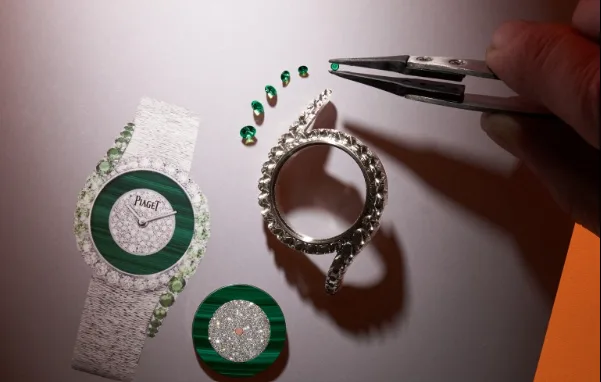
Unlike jewelry, which is primarily ornamental, a luxury watch is a mechanical marvel. Selecting a timepiece requires a shift in perspective—you are buying a movement, a legacy, and a functional tool.
Quartz vs. Mechanical Movements
The heart of any watch is its movement. Understanding the difference is vital for any collector:
| Feature | Quartz Movement | Mechanical Movement |
|---|---|---|
| Power Source | Battery | Mainspring (Manual or Automatic) |
| Accuracy | Extremely high | Varies (requires regulation) |
| Craftsmanship | Mass-produced | Artisanal/Hand-assembled |
| Maintenance | Low (battery change) | High (periodic servicing) |
Essential Watch Complications
A "complication" is any function on a watch other than the display of time. Common complications include chronographs (stopwatch functions), moon phases, and GMT displays for tracking multiple time zones. When buying, ask yourself if you will actually use these features, as they often increase the complexity and the service costs of the watch.
Trends vs. Timelessness: Building a Collection
One of the biggest pitfalls in the jewelry and watch market is chasing ephemeral trends. While it is fun to incorporate current styles, a curated collection should be built on pieces that transcend seasons.
The "Capsule" Jewelry Collection
To build a versatile jewelry wardrobe, focus on these five essential categories:
- The Signature Necklace: A gold chain or a simple pendant that can be layered or worn alone.
- Stud Earrings: Diamond, pearl, or gold ball studs are the ultimate "go-anywhere" accessory.
- The Everyday Ring: A sturdy, comfortable band that reflects your personal aesthetic.
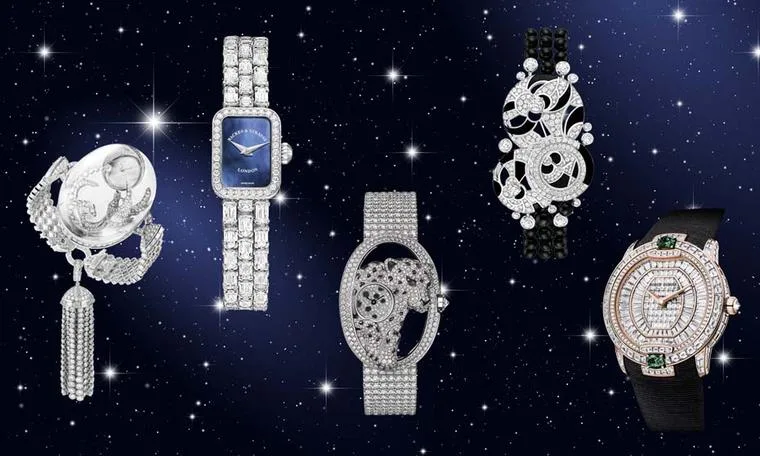
- The Statement Piece: A bold cocktail ring or intricate bracelet reserved for special occasions.
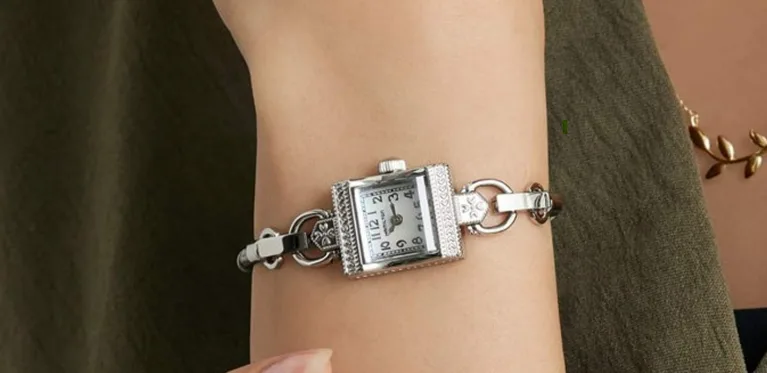
- The Timepiece: A versatile watch that bridges the gap between casual and formal attire.
Identifying Long-Term Value
If you are viewing your purchase as an investment, look for scarcity and provenance. Limited production runs, historical significance, and the use of rare gemstones or precious metals generally contribute to better value retention. Always prioritize "buy once, buy well"—a single high-quality piece is a better investment than ten low-quality items.
Best Practices for Buying Jewelry and Watches
The acquisition process should be deliberate. Whether buying online or in-person, follow these steps to ensure authenticity and satisfaction.
1. Verification and Certification
Never purchase a significant diamond without a grading report from a reputable laboratory (such as GIA or AGS). For luxury watches, insist on the original papers and the box if possible. If the price seems too good to be true, it almost certainly is.
2. Understanding the "Pre-Owned" Market
The secondary market is a treasure trove for collectors. Many luxury watches and vintage jewelry pieces hold their value exceptionally well. However, when buying pre-owned, always factor in the cost of a professional cleaning or a mechanical service to bring the piece back to its original glory.
3. Assessing Comfort and Wearability
Jewelry is meant to be worn. Before finalizing a purchase, consider the weight, the clasp security, and how the piece interacts with your clothing. A watch that is too heavy or a bracelet that snags on fabric will eventually end up sitting in a safe rather than on your wrist.
Maintenance: Keeping Your Treasures Radiant
Even the finest pieces require care. Proper maintenance not only preserves the beauty of your jewelry and watches but also protects your investment.
- Jewelry Cleaning: Avoid ultrasonic cleaners for porous gemstones like pearls or opals. Use a soft cloth and mild soapy water for gold and diamonds.
- Watch Servicing: Mechanical watches should be serviced every 3 to 5 years by a certified watchmaker to ensure the lubricants do not dry out and the movement remains precise.
- Storage: Store pieces separately to prevent scratching. Watches should be kept in a dry, cool environment, ideally in a watch box or a safe with a watch winder for automatic models.
Conclusion: The Emotional and Financial Value
Investing in jewelry and watches is a deeply personal journey. While the financial aspect—value retention and appreciation—is important, the true value of these items lies in the stories they tell and the confidence they provide to the wearer. By focusing on quality craftsmanship, understanding the mechanics of your pieces, and prioritizing timeless design, you can build a collection that will not only stand the test of time but also serve as a legacy for future generations.
Remember, the best piece of jewelry or the perfect watch is the one that resonates with you. Take your time, do your research, and enjoy the process of discovering pieces that define your unique style.