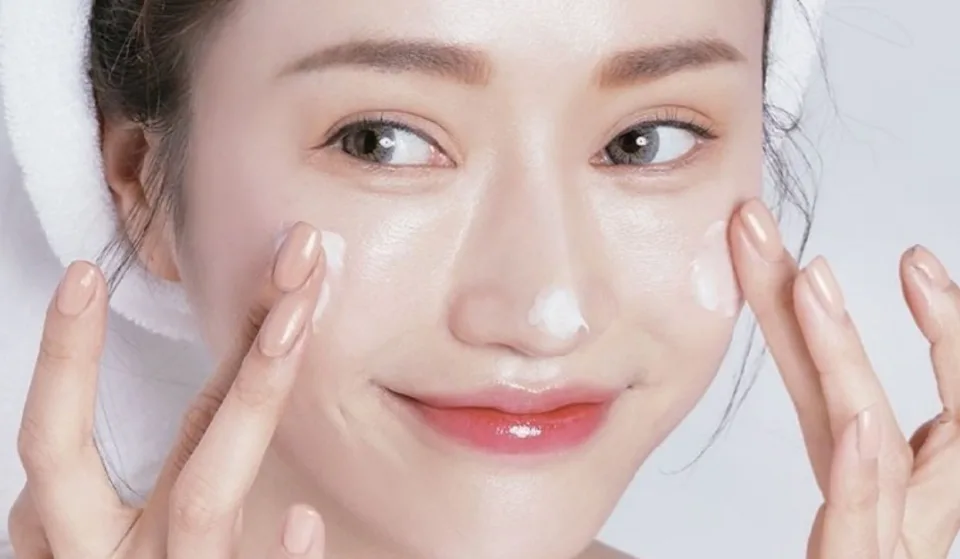
The Ultimate Guide to the Best Skin Care Routine: Achieve Radiant, Healthy Skin
Achieving a flawless, glowing complexion is a goal for many, but with thousands of products lining the shelves, the world of skin care can feel overwhelming. Whether you are dealing with persistent acne, signs of aging, or simply looking to maintain a healthy glow, the key lies not in having the most expensive products, but in building a consistent, science-backed routine tailored to your specific skin type.
In this comprehensive guide, we explore the best practices, essential ingredients, and expert-recommended steps to help you master your skin care journey.
Understanding Your Skin Type: The Foundation of Success
Before investing in any product, you must understand your skin type. Using the wrong formulas can exacerbate issues rather than solve them. Most skin types fall into one of four categories:
- Oily Skin: Characterized by excess sebum production, leading to a shiny appearance and frequent breakouts.
- Dry Skin: Often feels tight, flaky, or rough due to a lack of moisture.
- Combination Skin: Features an oily T-zone (forehead, nose, and chin) with dry or normal cheeks.
- Sensitive Skin: Prone to redness, itching, or stinging reactions to common ingredients.
The Essential 3-Step Skin Care Routine
You don't need a ten-step process to see results. A consistent, high-quality three-step routine is often enough to transform your skin's health.
1. Cleansing: The Daily Reset
Cleansing removes dirt, pollutants, and excess oil that accumulate throughout the day. For oily skin, look for gel-based cleansers with salicylic acid. For dry or sensitive skin, opt for creamy, hydrating, or oil-based cleansers that don't strip the skin of its natural moisture barrier.
2. Moisturizing: Locking in Hydration
Every skin type needs hydration. Moisturizers prevent transepidermal water loss. If you have oily skin, choose a lightweight, oil-free, or gel-based moisturizer. Those with dry skin should seek thicker creams containing ceramides, shea butter, or glycerin.
3. Sun Protection: The Non-Negotiable
If you only do one thing for your skin, make it SPF. Daily sun protection is the best anti-aging product available. It prevents hyperpigmentation, fine lines, and skin cancer. Aim for a broad-spectrum sunscreen with at least SPF 30, applied every single morning, regardless of the weather.
Advanced Ingredients to Elevate Your Results
Once you have mastered the basics, you can incorporate active ingredients to target specific concerns. Here is a breakdown of the most effective ingredients currently trending in dermatological circles:
| Ingredient | Best For | Key Benefit |
|---|---|---|
| Retinoids (Retinol) | Anti-aging, Acne | Increases cell turnover and boosts collagen. |
| Vitamin C | Brightening, Protection | Antioxidant that fades dark spots and fights free radicals. |
| Hyaluronic Acid | Hydration | Draws moisture into the skin for a plump appearance. |
| Niacinamide | Pores, Redness | Regulates oil and strengthens the skin barrier. |
| Salicylic Acid | Acne, Blackheads | Exfoliates inside the pores to clear congestion. |
Top Trends in Skin Care for 2024 and Beyond
The skin care industry is constantly evolving. Staying informed helps you make smarter purchasing decisions. Currently, the industry is moving away from harsh scrubs and towards "skinimalism"—the practice of using fewer, higher-quality products.
The Rise of Skin Barrier Repair
Over-exfoliating has led to a surge in compromised skin barriers. Products featuring ceramides, peptides, and panthenol are now essential. These ingredients work to "seal" the skin, preventing moisture loss and protecting against environmental stressors.
Sustainable and Clean Beauty
Consumers are increasingly demanding transparency. Look for brands that prioritize recyclable packaging and ethically sourced ingredients. "Clean" beauty focuses on removing controversial additives like parabens, phthalates, and synthetic fragrances, which can be irritating for sensitive skin.
How to Choose the Best Products for Your Budget
One of the biggest myths in skin care is that higher prices equate to better results. In reality, the efficacy of a product comes down to the concentration of active ingredients and the formulation quality.
- Check the Ingredient List: Look for the "star" ingredient near the top of the list. If a product claims to be "hyaluronic acid serum" but it is the last item on the list, it may not be effective.
- Avoid Over-Fragrance: Fragrance is one of the most common causes of skin sensitivity. If you have reactive skin, prioritize fragrance-free options.
- Look for Clinical Trials: Established brands often conduct clinical studies. Look for products that mention "dermatologist-tested" or "clinically proven" results.
- Start Slow: When introducing a new active ingredient (like Retinol or Vitamin C), start by using it 2-3 times a week to see how your skin reacts before moving to daily application.
Common Skin Care Mistakes to Avoid
Even with the best products, common mistakes can hinder your progress. Avoid these pitfalls to maintain a healthy complexion:
1. Touching Your Face
Your hands carry bacteria and oils that can clog pores and lead to breakouts. Keep your hands away from your face throughout the day.
2. Skipping the Neck and Décolletage
The skin on your neck and chest is just as delicate as your face and is often the first area to show signs of aging. Always extend your skin care routine—especially sunscreen—to these areas.
3. Using Expired Products
Skin care products have a shelf life. Using expired items not only reduces their efficacy but can also harbor bacteria, leading to infections or irritation. Check for the "Period After Opening" (PAO) symbol, which looks like a small jar with a number (e.g., 6M, 12M) indicating how many months the product is good for after opening.
4. Over-Exfoliating
Exfoliation is great for removing dead skin cells, but doing it too often can damage your skin barrier, leading to redness, sensitivity, and breakouts. Limit physical scrubs or chemical exfoliants to 1-2 times per week.
Creating Your Customized Routine
To summarize, your journey to the best skin care begins with consistency. Below is a template you can adapt based on your specific needs:
Morning Routine
- Cleanse: Use a gentle cleanser to remove night-time residue.
- Treat: Apply a Vitamin C serum to protect against pollution and brighten the skin.
- Moisturize: Apply a lightweight moisturizer.
- Protect: Apply a broad-spectrum SPF 30+.
Evening Routine
- Cleanse: Double cleanse if you wear makeup or heavy sunscreen.
- Treat: Apply a targeted treatment (Retinol for aging or Salicylic Acid for acne).
- Moisturize: Use a richer, more nourishing night cream to aid overnight repair.
Conclusion: Patience is the Ultimate Secret
The best skin care routine is one that you can stick to consistently. It is important to remember that skin cells turn over approximately every 28 days. This means that when you introduce a new product, you should give it at least one month of consistent use before deciding if it is working for you. Do not be discouraged by a lack of overnight miracles; true skin health is a marathon, not a sprint.
By focusing on hydration, sun protection, and targeted treatments, you can achieve a healthy, vibrant complexion that stands the test of time. Listen to your skin, observe how it reacts to different ingredients, and don't be afraid to simplify your routine if your skin feels overwhelmed. Your path to your best skin starts with a single, consistent step today.