The Ultimate Shoe Buying Guide: How to Choose the Perfect Footwear for Every Occasion
Shoes are more than just a fashion statement; they are the foundation of your body's alignment, comfort, and daily mobility. Whether you are running a marathon, attending a high-profile corporate meeting, or exploring rugged outdoor trails, the right pair of shoes can make all the difference. Conversely, ill-fitting footwear can lead to chronic pain, posture issues, and long-term joint damage.
With thousands of styles, materials, and technical specifications available, finding the perfect pair can feel overwhelming. This comprehensive shoe buying guide is designed to simplify the process. You will learn how to analyze your foot shape, understand different footwear categories, evaluate materials, and make informed purchasing decisions that prioritize both style and foot health.
Understanding Your Foot Anatomy and Gait
Before looking at styles or designs, you must understand the unique structure of your feet. No two feet are identical, and factors like arch height and pronation play a massive role in how a shoe performs and feels.
1. Foot Arch Types
Your arch is the primary shock absorber of your body. Identifying your arch type is the first step toward finding comfortable shoes:
- Low Arches (Flat Feet): If your feet have little to no visible arch when standing, you have flat feet. This structure tends to roll inward, requiring shoes with structured support, motion control, and firm midsoles to prevent strain on your ankles and knees.
- Neutral Arches: A neutral arch has a natural curve that efficiently distributes weight. People with neutral arches can wear a wide variety of shoes but should look for a balanced mix of cushioning and stability.
- High Arches: High arches do not absorb shock well because less of the foot makes contact with the ground. If you have high arches, look for shoes with plush, flexible cushioning to absorb impact and relieve pressure on the heel and ball of the foot.
2. Pronation Explained
Pronation refers to the natural inward rolling motion of your foot as it contacts the ground during walking or running:
- Overpronation: The foot rolls excessively inward. This is common in individuals with flat feet and requires stability or motion-control shoes.
- Underpronation (Supination): The foot does not roll inward enough, placing pressure on the outer edges. This is common with high arches and requires highly cushioned, flexible footwear.
- Neutral Pronation: The foot lands on the outer heel and rolls slightly inward to absorb shock. Neutral shoes with standard cushioning work best here.
Categorizing Footwear: Types of Shoes and Their Purposes
Every shoe is engineered for specific activities. Using a shoe outside its intended purpose can lead to premature wear and physical discomfort. Here is a breakdown of the primary shoe categories you should know.
Athletic and Running Shoes
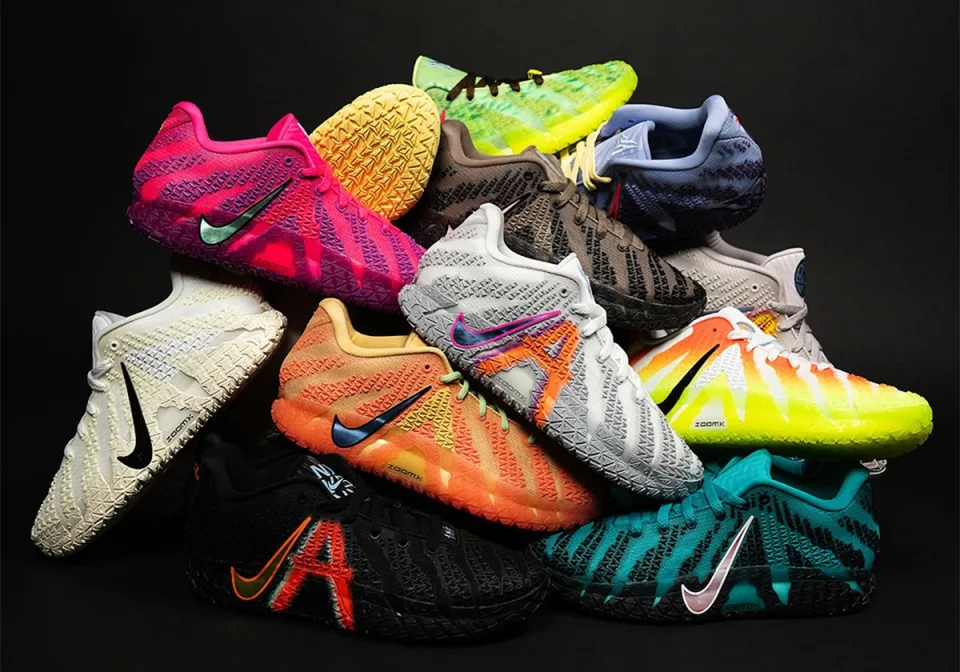
Athletic shoes are highly technical. Running shoes are designed for forward motion, featuring thick heel cushioning to absorb repetitive impacts and a tapered toe to assist with forward propulsion. Training shoes, on the other hand, are built for multi-directional movement, offering lateral support for gym workouts, weightlifting, and agility drills. Walking shoes prioritize flexibility through the ball of the foot and consistent, lightweight cushioning.
Casual and Everyday Shoes
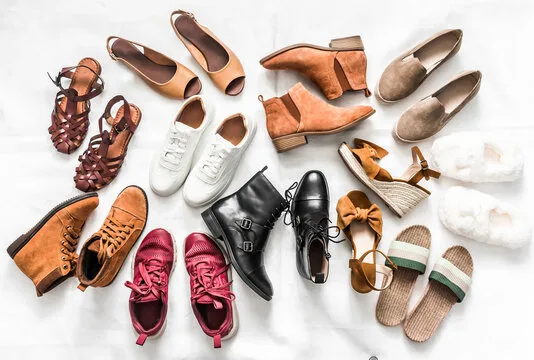
For daily wear, versatility and breathability are key. This category includes lifestyle sneakers, loafers, slip-ons, and boat shoes. Look for lightweight construction, cushioned insoles (such as memory foam), and durable outsoles. Since these shoes are worn for extended periods, choosing breathable linings like cotton canvas or perforated leather is essential to prevent moisture buildup.
Formal and Dress Shoes
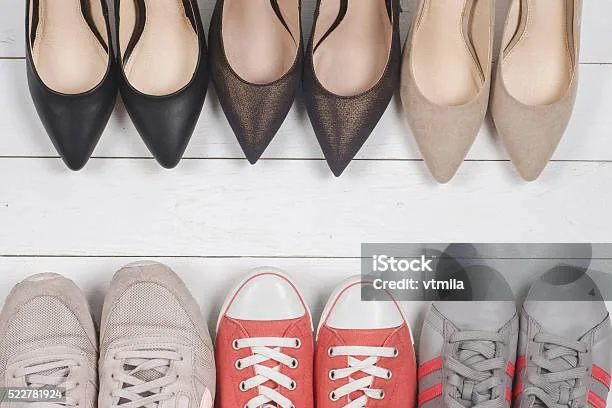
Dress shoes prioritize structure, elegance, and premium materials. Classic styles include Oxfords, Derbies, Brogues, and Chelsea boots for men, and pumps, flats, and mules for women. When buying dress shoes, look for high-quality leather outsoles and uppers that mold to your feet over time. Because dress shoes often lack the thick cushioning of athletic wear, paying attention to arch support and heel height is crucial for long-term comfort.
Boots and Outdoor Footwear
Outdoor footwear must protect your feet from environmental hazards, moisture, and uneven terrain. Hiking boots require deep tread patterns (lugs) for traction, ankle support to prevent sprains, and waterproof membranes (such as Gore-Tex). Work boots prioritize safety, often incorporating steel or composite toe caps, slip-resistant soles, and electrical hazard protection.
Essential Factors to Consider When Buying Shoes
To ensure you get the best value and comfort from your footwear investment, evaluate these three core pillars of shoe construction: fit, materials, and sole design.
1. Fit and Sizing (The Golden Rules)
Never buy shoes based solely on the size number printed on the box. Sizing varies drastically between different manufacturers, countries, and shoe styles. Instead, focus on how the shoe feels on your foot. There should always be about a thumb's width of space between your longest toe and the front of the shoe. Ensure the toe box is wide enough for your toes to wiggle freely without being pinched from the sides.
2. Material Quality
The materials used in the upper and lining of a shoe determine its breathability, durability, and flexibility. Natural materials like full-grain leather, suede, and cotton canvas are highly breathable and stretch to conform to your foot shape over time. Synthetic materials like polyester mesh are excellent for athletic wear due to their moisture-wicking and lightweight properties. However, cheap synthetic leathers (like PVC or polyurethane) trap heat and moisture, leading to odors and blisters.
3. Sole Construction
The sole of a shoe is divided into three parts: the insole, midsole, and outsole. The insole provides direct underfoot comfort and arch support. The midsole is the engine of the shoe, responsible for shock absorption; it is typically made of EVA (ethylene-vinyl acetate) or polyurethane foam. The outsole makes contact with the ground and must offer slip resistance and durability, usually achieved through vulcanized rubber.
Shoe Material Comparison Table
To help you choose the right material for your lifestyle, here is a quick reference table comparing the most common footwear materials:
| Material | Pros | Cons | Best Used For |
|---|---|---|---|
| Full-Grain Leather | Extremely durable, breathable, molds to the foot, premium appearance. | Expensive, requires regular maintenance, requires a break-in period. | Dress shoes, work boots, premium casual sneakers. |
| Suede | Soft texture, flexible, comfortable from day one. | Highly susceptible to water damage and stains, difficult to clean. | Casual loafers, Chelsea boots, fashion sneakers. |
| Canvas (Cotton) | Lightweight, highly breathable, machine washable (often), affordable. | Lacks structural support, wears out faster than leather, not water-resistant. | Summer casual shoes, slip-ons, skate shoes. |
| Synthetic Mesh | Ultra-lightweight, superior ventilation, quick-drying. | Not durable against abrasions, lets water in easily, sporty aesthetic only. | Running shoes, athletic trainers, trail runners. |
| Synthetic Leather (PU) | Affordable, water-resistant, easy to clean, vegan-friendly. | Poor breathability, prone to cracking, does not stretch or mold to the foot. | Budget fashion footwear, rain-resistant casual shoes. |
How to Measure Your Feet at Home
Your foot size changes over time due to aging, weight fluctuations, and pregnancy. Measuring your feet at home before buying shoes online can save you from the hassle of returns. Follow this step-by-step guide for the most accurate measurements:
- Gather Your Tools: You will need a piece of paper larger than your foot, a pencil, a ruler or tape measure, and the socks you plan to wear with the shoes.
- Measure in the Afternoon: Your feet naturally swell throughout the day due to gravity and activity. Always measure your feet in the late afternoon or evening to ensure a comfortable fit.
- Trace Your Foot: Place the paper on a flat, hard floor. Stand up straight with your full weight on one foot. Hold the pencil vertically (not at an angle) and draw a tight line around the perimeter of your foot.
- Mark Length and Width: Use your ruler to measure the distance from the back of your heel to the tip of your longest toe (this is your foot length). Then, measure the widest part of your forefoot (this is your foot width).
- Repeat for the Other Foot: Most people have one foot that is slightly larger than the other. Always buy shoes that fit your larger foot.
- Consult the Brand's Size Chart: Compare your measurements in centimeters or inches to the specific brand's sizing guide to find your correct size.
Common Shoe Fitting Mistakes to Avoid
Even with a guide, it is easy to fall into bad habits when shopping for footwear. Avoid these common mistakes to protect your feet:
- Assuming Your Size is Universal: Do not buy a size 10 in one brand just because your current shoes are a size 10. Always check the brand's unique sizing conversion chart.
- Buying Tight Shoes Expecting Them to "Stretch Out": While leather shoes will soften and stretch slightly, they will not gain a half-size in length. If a shoe pinches or hurts in the store, do not buy it. It should feel comfortable immediately.
- Ignoring Width Options: Many people with wide feet buy a size larger to get more room, which results in a shoe that is too long, causing heel slippage and blisters. Instead, look for brands that offer specific "Wide" (EE/D) or "Extra Wide" (EEEE) designations.
- Neglecting the Insole: If you have orthopedic issues, check if the shoe has a removable insole. This allows you to insert custom orthotics or supportive aftermarket insoles without making the shoe feel too tight.
Care and Maintenance Tips to Extend Shoe Lifespan
Investing in a high-quality pair of shoes is only half the battle; proper care is essential to preserve their structural integrity and appearance over time. Follow these maintenance tips:
- Rotate Your Shoes: Avoid wearing the same pair of shoes two days in a row. Giving your shoes 24 to 48 hours to air out allows trapped sweat to dry completely, preventing bacterial growth and maintaining the cushioning properties of the midsole.
- Use Shoe Trees: For leather shoes and boots, insert cedar shoe trees when you are not wearing them. Cedar absorbs moisture, neutralizes odors, and helps the leather retain its natural shape, preventing deep creases.
- Clean Wisely: Never throw leather, suede, or structured dress shoes into a washing machine. Use a soft brush to remove loose dirt, and apply specialized cleaners for leather or suede. Canvas and synthetic mesh can often be hand-washed with mild soap and warm water.
- Apply Protective Sprays: Before wearing new shoes outside, apply a water and stain repellent spray. This creates an invisible barrier that protects the material from rain, salt, and accidental spills.
Conclusion: The Ultimate Shoe Buying Checklist
When you are ready to make your next footwear purchase, keep this quick checklist in mind to guarantee success:
- Did you measure your feet in the afternoon or evening?
- Is there a thumb's width of space at the toe box?
- Does the shoe match your specific arch type and pronation needs?
- Are the materials breathable and suited for the intended environment?
- Can you walk comfortably in them immediately without pain or slippage?
By understanding your feet and prioritizing quality construction over fast-fashion trends, you can build a versatile, comfortable, and stylish shoe collection that supports your body and your lifestyle for years to come.